

Coffee and Health, General Info
Understanding Caffeine in Coffee: What You Need to Know

Coffee is one of the most popular caffeinated drinks worldwide, cherished for its stimulating effects and robust flavor. The caffeine content in coffee varies widely depending on factors like brewing methods, coffee varieties, and serving size. Coffee remains a primary source of caffeine for millions, with the content per cup ranging from a single shot of espresso coffee to large servings of Turkish coffee. By understanding the extraction of caffeine and the levels of caffeine in various brewing styles, we can make better choices about our caffeine consumption.
What Is Caffeine and Why Is It Important?
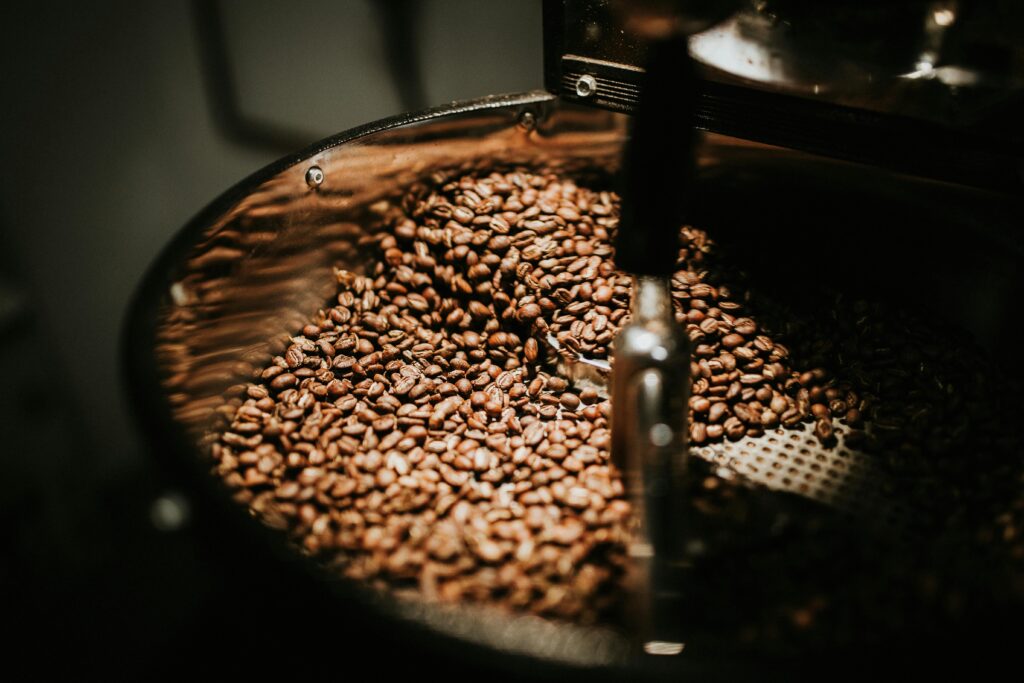
Caffeine is a naturally occurring content in coffee infusions and other caffeinated drinks like tea and energy drinks, offering essential stimulation that enhances focus and energy. Acting on the nervous system, it blocks adenosine, creating a sense of alertness. Its antioxidant activity also contributes to minimizing cellular damage. The effects of caffeine vary depending on body weight, tolerance, and daily caffeine intake. While its health benefits are well-known, excessive caffeine consumption may result in negative effects like jitters, insomnia, and gastroesophageal reflux disease. Moderation, guided by knowledge of its maximum caffeine content, is key for reaping caffeine’s many advantages.
Caffeine Content in Different Types of Coffee
The content of caffeine in coffee depends on the type of coffee one chooses, making it essential to analyze common coffee varieties and serving sizes:
Brewed Coffee: A common method for many, brewed coffee offers an average of 95 milligrams per standard 8-ounce cup. However, the content per cup can vary based on factors such as caffeine content, such as the brewing method, bean origin, and water ratio.
- Espresso Coffee: A concentrated form, shot of espresso provides about 63 milligrams of caffeine in a single shot. Meanwhile, a double shot doubles this amount, so espresso lovers often carefully monitor their caffeine intakes.
- Cold Brew Coffee: Made by steeping ground coffee beans in cold water for extended brew time, it often contains higher levels of caffeine compared to drip coffee or hot coffee.
- Instant Coffee: As a quick source of caffeine, instant coffee typically contains less, averaging around 57 milligrams per 8-ounce cup.
- Decaffeinated Coffee: Contrary to its name, decaffeinated coffee or decaf coffee still contains small amounts of caffeine—typically 2 to 15 milligrams per serving.
Understanding the diverse types of coffee and their amounts of caffeine helps coffee lovers make informed choices.
Factors Affecting Caffeine Levels
The amounts of caffeine in your cup of coffee can differ drastically based on several factors:
- Type of Coffee Bean: Robusta beans have nearly double the caffeine by weight compared to green coffee beans of the Arabica species. Selecting the correct type of coffee bean can significantly alter your daily caffeine intake.
- Roast Level: Lighter roasts retain more caffeine during the roasting process, unlike darker roasts, which lose some caffeine while intensifying flavor. This makes the choice between a light roast and a dark roast more than a matter of taste.
- Brewing Method: The extraction of caffeine is heavily influenced by the brewing method. For example, French press coffee and Turkish coffee steep longer, creating a higher concentration than a standard coffee percolator brew.
- Water Over Ground Coffee: The ratio of water over ground coffee and the brew time also determine the levels of caffeine. A higher hot water to coffee ratio tends to dilute the caffeine content, while concentrated methods like espresso shots deliver a strong dose of caffeine.
The factors on caffeine content highlight how preparation can alter the caffeine levels that end up in your cup of coffee.
The Effects of Caffeine on Your Body

When consumed in moderate amounts, caffeine offers several benefits. It improves focus and mental alertness, helping to reduce feelings of fatigue during work or study. Athletes often consume caffeine to enhance endurance and physical performance. Moreover, emerging research suggests that moderate coffee consumption may lower the risk of neurodegenerative diseases like Alzheimer’s and Parkinson’s due to its antioxidant properties.
However, excessive caffeine intake can have adverse effects. Common side effects include jitteriness, increased heart rate, digestive discomfort, and disrupted sleep patterns. Sensitivity to caffeine varies widely among individuals and is influenced by genetics, body weight, and other factors. Experts recommend a daily limit of 400 milligrams of caffeine for most adults—equivalent to about 4 cups of brewed coffee.
Health Benefits and Risks of Caffeine
Consuming coffee in moderation offers numerous health benefits. Observational studies and research point to reduced risks of cardiovascular diseases and neurodegenerative illnesses like Alzheimer’s and Parkinson’s from regular coffee drinks. With its antioxidant activity and stimulation of metabolism, caffeine enhances daily performance and reduces fatigue.
However, understanding the risks of caffeine is equally essential. Excessive amounts of coffee can lead to side effects such as anxiety, insomnia, and rapid heart rate. Special attention is needed for groups like pregnant women, as consumption during pregnancy may carry risks. Consulting a healthcare professional ensures safer levels of caffeine tailored to individual needs.
Why Caffeine Varies in Different Coffee Chains
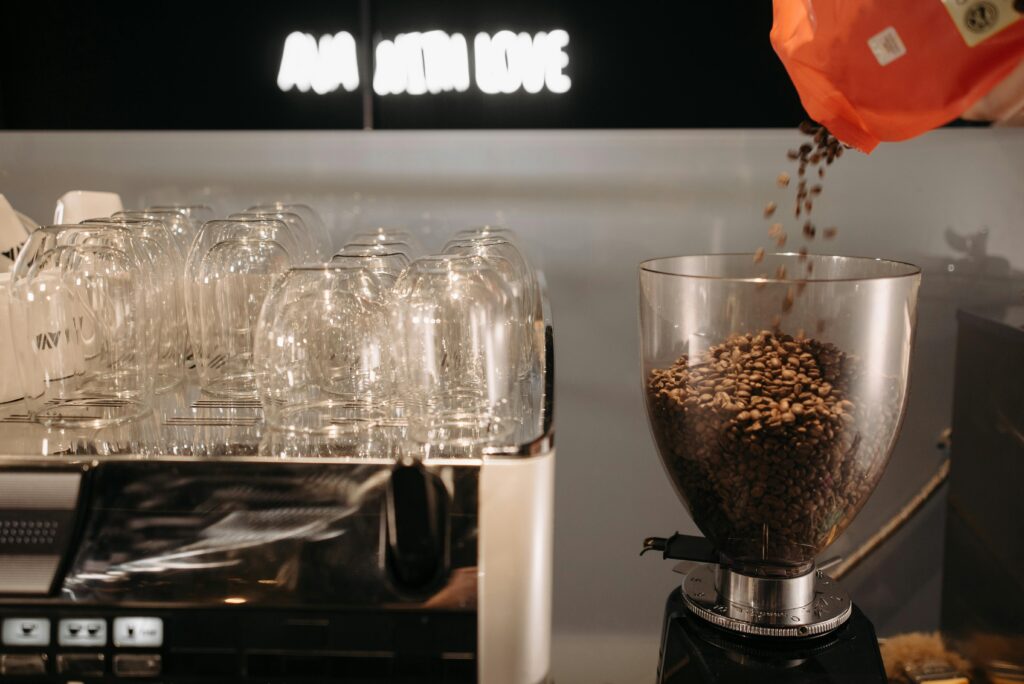
Coffees from coffee shops like Starbucks or Dunkin’ often carry a higher content of caffeine due to larger servings and concentrated preparations. For example, their latte macchiatos or chai lattes usually include multiple espresso shots, adding caffeine per cup. Always consider the serving size and specifics of the drink type to manage caffeine intake wisely.
Practical Tips for Caffeine Management
To manage caffeine consumption, track your total daily intake. If you’re sensitive to caffeine, opt for smaller servings, like a single shot, or choose milder options, like decaffeinated coffee. Choose brewing styles like drip coffee or instant coffee with shorter brew times to reduce the dose of caffeine. Moderate consumption levels and mindful decision-making ensure you enjoy only the health benefits of caffeine.
Conclusion
Caffeine in coffee plays a vital role in its popularity, ranging from regular coffee to intricate café-style coffee drinks. By understanding the caffeine content dictated by coffee species, brewing processes, and serving sizes, coffee lovers can enjoy their cups of coffee responsibly. The wide variety of conventional coffee and modern blends ensures there’s a suitable option for everyone’s taste and caffeine per day. Craft your ideal pick-me-up with an informed approach to caffeine and its impact.
Coffee Cups and Mugs
304 Stainless Steel Coffee Mug with Lid
37.88Original price was: 37.88.21.88Current price is: 21.88.Coffeeware
Coffee Distributor Espresso Leveler Adjustable Palm Tamper
26.88Original price was: 26.88.14.88Current price is: 14.88.Coffee-Making Accessories
EspressoPro Knock Box – Anti-Slip Coffee Grounds Container
27.88Original price was: 27.88.11.88Current price is: 11.88.Coffee Cups and Mugs
Glass Measuring Cup with Wooden Handle
28.88Original price was: 28.88.11.88Current price is: 11.88.Coffee Cups and Mugs
Heat-Resistant Striped Glass Cup
28.88Original price was: 28.88.14.88Current price is: 14.88.Coffee-Making Accessories
MHW-3BOMBER Spring Loaded Espresso Tamper 51/53/58mm
152.88Original price was: 152.88.100.88Current price is: 100.88.Coffee-Making Accessories
MINI USB Rechargeable Milk Frother
23.88Original price was: 23.88.11.88Current price is: 11.88.Coffee-Making Accessories
Portable Disposable Drip Coffee Filter Bags
30.88Original price was: 30.88.15.88Current price is: 15.88.Coffee-Making Accessories
Pour Over Coffee Dripper Set
70.88Original price was: 70.88.42.88Current price is: 42.88.Coffee-Making Accessories
Precision Coffee Grounds Distribution Tool with Wood Grip
28.88Original price was: 28.88.11.88Current price is: 11.88.