

Coffee Guides, General Info
Mastering the Perfect Drip Coffee Brew

The journey into the world of coffee often begins with the familiar ritual of brewing a pot of drip coffee, a method cherished globally for its simplicity and reliability in delivering a comforting cup of coffee. We understand that while seemingly straightforward, mastering the art of drip brewing involves a nuanced understanding of several factors that collectively influence the final taste profile of the beverage we pour. From the initial selection of beans to the final moments of the brewing process, each step presents an opportunity to elevate the ordinary into the extraordinary, transforming our daily coffee routine into a moment of genuine pleasure. By paying close attention to the details, we believe anyone can consistently brew coffee that is not just good but truly exceptional, rivaling the quality found in artisanal coffee shops. It is this pursuit of perfection within the accessible realm of Drip Coffee that drives us to explore the variables and techniques that differentiate a mediocre cup from a magnificent one. We recognize that the equipment used, such as drip coffee makers and automatic drip machines, plays a significant role, but equally important are the freshness of the beans, the coarseness of the grind, the temperature of the water, and the ratio of coffee to water employed during the brewing process. We aim to demystify these elements, providing clear guidance on manipulating them to achieve desired flavor profiles, whether one prefers a bold, robust coffee or a lighter, more aromatic brew, showcasing the actual depth of flavor achievable. Our focus remains empowering individuals to take control of their coffee experience, enabling them to replicate their favorite coffee profiles or experiment with new ones from the comfort of their kitchen using various brew methods. We are committed to sharing the knowledge and insights necessary to transform the simple act of making simple drip coffee maker coffee into a rewarding craft, yielding delicious cups of coffee every single time. This foundational understanding sets the stage for a deeper appreciation of coffee. It encourages further exploration into its diverse origins, processing methods, and flavor complexities, highlighting the articulation of flavors possible with careful brewing. We find great satisfaction in knowing that the principles of effective drip brewing are universally applicable, allowing enthusiasts everywhere to enjoy a superior coffee experience, even surpassing expectations from specialty coffee shops. We aim to guide casual coffee lovers and seasoned coffee connoisseurs towards brewing the best-tasting coffee possible. This foundational knowledge extends beyond regular coffee to understanding the nuances of different styles, such as French drip coffee pots or even influencing techniques for Iced Coffee or Iced Glass Coffee. However, our primary focus remains on hot drip. Even with a budget drip coffee maker, remarkable results are achievable with the right approach. We understand that many start with a basic, one-button drip coffee maker, a great entry point into home brewing. The goal is to make any style of coffee brewed via drip methods as enjoyable as possible. The principles discussed apply to any automatic coffee machine or automatic filter coffee machine, ensuring consistent quality. Ultimately, we aim to help you brew the perfect cup of drip coffee. For those seeking something different, understanding drip can even shed light on methods like Vietnamese coffee or cold brew coffee by highlighting the importance of water contact and extraction, although these employ different techniques. Water temperature and contact time principles are universally relevant in understanding various coffee preparation methods.
Choosing the Right Coffee Beans and Grind

Selecting the right coffee beans forms the bedrock of brewing an exceptional cup of coffee, as the inherent quality and characteristics of the beans significantly dictate the final flavor profiles we experience. We emphasize the importance of starting with freshly roasted, high-quality coffee beans, understanding that coffee is a perishable product whose flavors degrade shortly after roasting. Opting for whole beans and grinding them just before brewing is a practice we strongly advocate for, as it preserves the volatile aromatic compounds that contribute to coffee’s rich and complex taste. We recognize that the origin of the beans—whether from Ethiopia, Colombia, Brazil, or elsewhere—imparts distinct qualities, offering a broad spectrum of flavors from fruity and floral to nutty and chocolatey, contributing to the articulation of flavors in the final brew. Understanding these regional differences allows us to select beans that align with our taste preferences, tailoring the brewing process to highlight their unique characteristics. Exploring single-origin beans can be a gratifying endeavor, providing a clear sense of the terroir and processing methods influencing the coffee’s flavor. Blends, on the other hand, offer a consistent flavor profile curated by roasters, often combining beans from different regions to achieve a balanced and harmonious taste. We always recommend purchasing beans from reputable roasters who provide details about the roast date and origin, as this transparency speaks volumes about their commitment to quality, especially when seeking artisan coffee.
Storing coffee beans properly is another critical step we must not overlook; an airtight container stored in a cool, dark place away from moisture and direct sunlight will help maintain their freshness for longer. We understand that the roast level—light, medium, or dark—also plays a crucial role, affecting the acidity, body, and flavor notes in the brewed coffee. The granularity of the ground coffee is a pivotal factor in the drip brewing process, directly influencing the rate at which water extracts flavors from the coffee particles. We understand that an incorrect grind size can lead to either under-extraction, resulting in a weak and sour taste, or over-extraction, producing a bitter and unpleasant cup. For drip coffee makers, we generally recommend a medium grind, which has a consistency similar to granulated sugar. This grind size allows water to flow through the bed of coffee at an optimal pace, facilitating balanced extraction of desirable flavors without picking up bitter compounds. We recognize that the ideal grind size can vary slightly depending on the specific drip coffee maker being used and the volume of coffee being brewed, necessitating some experimentation to find the perfect setting, which is part of the precise process of brewing. Using a burr grinder, as opposed to a blade grinder, is a practice we strongly endorse because it produces uniform grind sizes, leading to more consistent and predictable extraction; for the best-tasting coffee, an all-around better grinder is essential, even a basic burr grinder is preferable to a blade. A blade grinder, while more affordable, chops beans unevenly, creating a mix of fine and coarse particles that brew inconsistently, making a uniform grind difficult to achieve. We find that a uniform grind is essential for achieving a balanced flavor extraction throughout the entire coffee bed. Adjusting the grind size is also a helpful technique we can employ to troubleshoot issues with our brew; if the coffee tastes weak, a finer grind might be needed to slow down the water flow and increase extraction, while if it tastes bitter, a coarser grind could help by allowing water to pass through more quickly. We understand that even slight adjustments in grind size can have a significant impact on the final taste of the coffee, making it a key variable to control. Paying close attention to the grind and making minor adjustments in grind size based on the flavor of the brewed coffee is a practice we find incredibly beneficial for refining our drip brewing technique. We believe mastering the grind sizes is a fundamental skill for anyone serious about brewing excellent drip-brewed coffee at home. This attention to detail at the grinding stage is a mark of dedication to the craft of coffee making. Ultimately, starting with quality coffee beans and achieving a consistent uniform grind is paramount for a great cup, whether using pre-ground coffee (which we generally advise against for optimal freshness) or grinding your own. The goal is to extract the full potential from the ground coffee beans.
Water Quality and Temperature Control
The water used for brewing drip coffee is far more critical than many people realize, constituting over 98% of the final beverage, and its quality profoundly impacts the taste of our cup of coffee. We understand that water containing too many minerals can lead to scale buildup in our drip coffee makers and can also interfere with proper flavor extraction. At the same time, water that is too soft or distilled can result in a flat, uninspired taste, leading to bad coffee. We recommend using filtered water, ideally through a carbon filter, to remove chlorine and other impurities that can impart off-flavors without stripping away the beneficial minerals that contribute to a balanced extraction. The Specialty Coffee Association (SCA) provides specific guidelines for ideal brewing water, suggesting parameters for total dissolved solids (TDS), pH, and hardness, which we find serve as an excellent benchmark for those seeking to optimize their water quality, reflecting an adherence to specialty coffee standards. While replicating these exact parameters at home might be challenging, using a standard home water filter is a simple and effective step to significantly improve our coffee’s taste and ensure we’re not making bad coffee due to poor water. We recognize that the water temperature is equally crucial; the optimal brew temperature for drip coffee is typically between 195°F and 205°F (90°C to 96°C). Water that is too cool will result in under-extraction, producing a weak and underdeveloped flavor, while water that is too hot can burn the coffee grounds, leading to a bitter taste. Most automatic drip machines are designed to heat water to this ideal range, often with adjustable temperatures or a consistent average water temperature. Still, manual pour-over methods require us to monitor and control the hot water temperature ourselves. Using a kettle with a built-in thermometer allows for precise temperature control, giving us greater command over the brewing process, and some automatic coffee maker models even offer adjustable temperature settings. Understanding the impact of water quality and water temperature empowers us to make informed decisions that elevate the quality of our drip-brewed coffee, ensuring that the water enhances, rather than detracts from, the natural flavors of the beans, contributing to the best-tasting coffee. We believe that attention to water, alongside bean selection and grind size, is one of the critical pillars of brewing exceptional coffee, proving that even with a basic machine, water quality makes a difference. Ensuring the water is sufficiently hot water is fundamental to proper extraction. This careful consideration of water is key to avoiding bad coffee.
The Importance of the Coffee-to-Water Ratio
The ratio of coffee grounds to water is a fundamental aspect of brewing drip coffee, directly influencing the strength and concentration of the final beverage, and getting this right is key to avoiding bad coffee. We understand that finding the correct coffee-to-water ratio is essentially a matter of personal preference. Still, there are widely accepted guidelines that serve as an excellent starting point for achieving a balanced and flavorful brew. A commonly recommended ratio is 1:15 to 1:18, meaning for every gram of coffee, we use 15 to 18 grams of water. Starting within this range and adjusting based on taste is the most effective way to determine our preferred strength, which is a more precise process than simply guessing. Using a digital scale to measure coffee grounds and water accurately is a practice we strongly advocate for, as it ensures consistency from one brew to the next, eliminating the guesswork that often leads to inconsistent results and bad coffee. We recognize that volumetric measurements using scoops can vary significantly depending on the density of the coffee grounds and how tightly they are packed, making a scale a far more reliable tool for precision brewing, especially when aiming for a consistent amount of coffee. For example, if we want to brew 30 grams of coffee beans, a 1:16 ratio would require 480 grams of water. We believe that understanding and controlling this water ratio gives us direct influence over the intensity of our coffee, allowing us to tailor it precisely to our liking, ensuring we achieve our favorite coffee consistently. Adjusting the ratio of coffee is also a valuable technique to compensate for variations in bean density or roast level. A darker roast, for instance, might require a slightly lower ratio (more water per gram of coffee) compared to a lighter roast to achieve a similar strength. We find that keeping track of the water ratios used for brews we particularly enjoy helps us replicate those results consistently. This attention to the precise measurement of ingredients is a hallmark of intentional brewing, leading to more predictable and satisfying outcomes, and avoiding bad coffee. We understand that while guidelines exist, the “perfect” water ratio is ultimately the one that tastes best to us, and experimentation is encouraged to discover that sweet spot. Using the correct amounts of coffee is as essential as using the right amount of water.
The Role of the Coffee Bloom
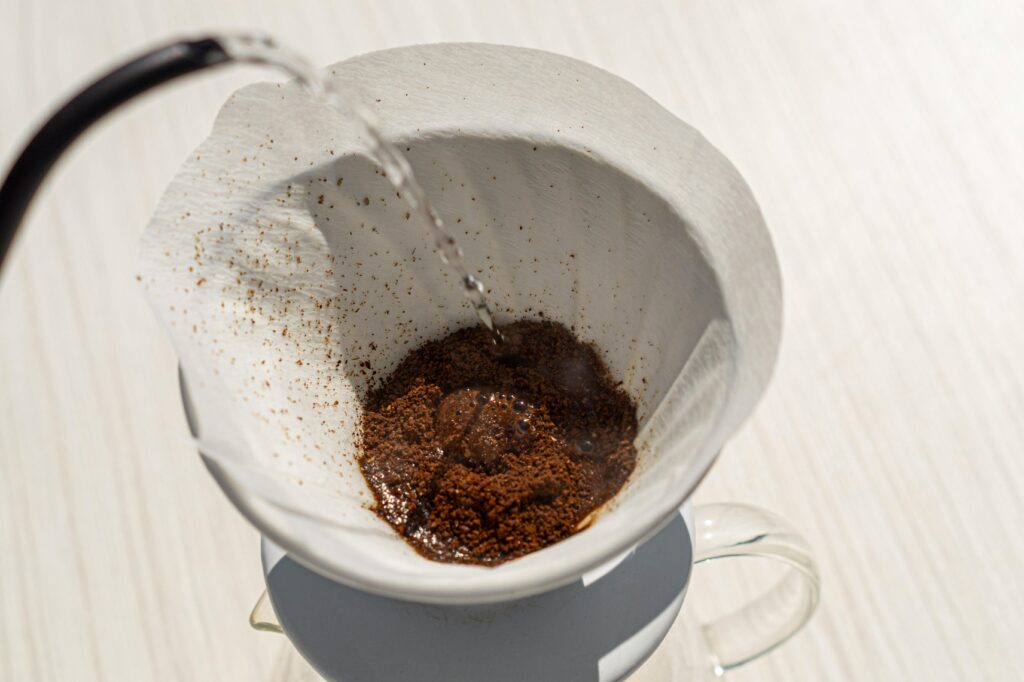
The blooming process, also known as the “bloom,” is a crucial pre-infusion step in brewing drip coffee, particularly noticeable in manual pour-over coffee methods but also beneficial in automatic drip machines with a bloom function. We understand that when hot water first hits fresh coffee grounds, carbon dioxide trapped within the beans from the roasting process is rapidly released, causing the coffee bed to puff up and expand. This bloom is a visual indicator of the freshness of the coffee and serves an essential purpose in preparing the grounds for optimal extraction, preventing bad coffee. We believe that allowing the coffee to bloom for about 30 seconds allows this gas to escape, preventing it from creating channels in the coffee bed during the primary brewing cycle, which can lead to uneven extraction. A proper bloom ensures that all the coffee grounds are evenly saturated with water before the main brewing begins, promoting a more uniform and efficient extraction of flavors and contributing to the depth of flavor. In manual pour-over brewing, we typically achieve the bloom by pouring enough hot water to saturate all the grounds and then pausing for the recommended bloom period. In some automatic drip machines, a pre-infusion cycle, or bloom function, is built to mimic this process. We recognize that skipping the bloom can result in a less flavorful and potentially unevenly extracted cup of coffee, leading to bad coffee. The release of carbon dioxide during the bloom is also essential because these gases can impart a bitter or carbonic taste to the final brew if not allowed to escape. We understand that the intensity of the bloom can vary depending on the freshness and roast level of the coffee; very fresh, light roast coffees tend to bloom more vigorously than older or darker roast coffees. We find that witnessing a good bloom is a satisfying part of the brewing process, confirming the freshness of our beans and the effectiveness of our technique. This simple yet vital step significantly contributes to brewing a cleaner, more balanced, and flavorful cup of drip coffee, highlighting the subtle complexities of the beans. The interaction of water onto ground coffee during this phase is critical for degassing.
Mastering Pouring Technique and Equipment

The pouring technique, particularly in manual drip brewing methods like using a pour-over cone or other pour-over coffee setups, significantly influences the rate of water flow and the interaction between water and coffee grounds, impacting the final extraction and preventing bad coffee. We understand that a controlled and consistent pour is essential for achieving even saturation of the coffee bed, preventing channeling where water bypasses some of the grounds, leading to under-extraction in certain areas. We recommend using a gooseneck kettle for pour-over brewing because its long, narrow spout allows precise control over the speed and direction of the water flow, making it an advanced technique. We believe that starting the pour in the center and moving outwards in concentric circles helps ensure all the grounds are evenly wetted, promoting a more uniform extraction. Maintaining a consistent flow rate throughout the brewing process is crucial for achieving repeatable results; a too-fast pour can lead to under-extraction, while a too-slow pour can result in over-extraction. We recognize that the total extraction time is also affected by the pour technique and grind size; for most pour-over methods, a total brew time of 2 to 4 minutes is often considered ideal, depending on the volume of coffee being brewed. We understand that the height from which the water is poured also matters, as pouring from too high can agitate the coffee bed excessively. We aim for a steady, gentle pour that keeps the coffee bed relatively flat, mimicking the even distribution of a shower head or spray head in an automatic machine. Practicing our pouring technique helps us develop muscle memory and a better feel for the optimal flow rate, achieving a barista-level technique over time. While automatic drip machines handle the pouring for us, understanding the principles of controlled pouring still informs our appreciation of how water interacts with coffee grounds during brewing. This attention to the mechanics of water delivery is a testament to the precision of crafting an excellent cup of drip coffee, showcasing how small details can lead to significant improvements in flavor. The type of equipment, from basic drip coffee machines to advanced setups using gooseneck kettles and specialized brewers with a conical shape, all play a role in the brewing experience. Even the basic components like the brew basket or filter basket influence the water flow. Considering the price range of equipment, from cheap coffee makers to more expensive models, understanding these techniques helps maximize the potential of any machine. For some, using a manual pour-over method might be reserved for special occasions, while an automatic coffee maker is for daily convenience. Regardless of the method, controlling the water flow is vital. The pour-over method, emphasizing controlled pouring, offers a hands-on approach to achieving excellent coffee.
The Impact of Filters and Brew Time
The choice of coffee filters significantly impacts the clarity and taste of drip coffee, and understanding the differences between them is essential for brewing the best-tasting coffee. We know that paper filters are most commonly used, which effectively trap fine sediment and oils, resulting in a cleaner, brighter cup. However, some paper filters, particularly lower-quality ones, can impart papery flavors to the coffee if not rinsed properly before use. We recommend rinsing paper filters with hot water before adding the coffee grounds to eliminate any potential papery taste. This simple step makes a noticeable difference in the final flavor. Alternatively, some drip coffee makers use a permanent filter, often made of metal or nylon mesh. While more environmentally friendly as they are reusable, permanent filters allow some fine sediment and oils to pass through, resulting in a fuller-bodied cup with more texture, which some coffee lovers prefer. We recognize that the filter type influences the flavor profile, and experimenting with different types can help us discover our preferences. The extraction time, or the amount of time with water the coffee grounds are in contact, is also a critical factor in the brewing process. We understand that the extraction time is influenced by the grind size, water temperature, and the flow rate of the water through the coffee bed. A longer contact time generally leads to greater extraction, but overextending can result in over-extraction and bitterness. Achieving the optimal extraction time for a given grind size and brew method is key to a balanced cup. We recognize that atypical brewing times might indicate issues with grind size or water flow. For most drip brewing, an extraction time of 2 to 4 minutes is a good benchmark. This ensures sufficient time with water for proper flavor development without over-extracting. We understand that the interaction between the wet filter, the coffee bed, and the flowing water during the brew process determines the extraction efficiency. Using a clean paper coffee filter and the appropriate extraction time for the grind size is crucial for avoiding bad coffee and achieving the desired depth of flavor. Whether using a plastic brewer or a ceramic version, the principles of filter choice and contact time remain relevant.
Serving and Enjoying Your Perfect Cup

Finally, the often-overlooked aspect of serving and enjoying drip coffee plays a crucial role in the overall experience, allowing us to fully appreciate the fruits of our careful brewing process and the great-tasting coffee we’ve created. We understand that coffee is best enjoyed immediately after brewing when its aromas and flavors peak. Allowing brewed coffee to sit on a warming plate for extended periods can lead to flavor degradation, resulting in a burnt or stale taste, turning coffee hot into bad coffee. We recommend serving coffee in pre-heated mugs or cups, which helps maintain the coffee’s temperature and enhances the sensory experience. We believe that the material and shape of the cup can also subtly influence the aroma and taste perception; some prefer ceramic or glass for their neutral properties, while others enjoy the heat retention of double-walled cups. We find that taking a moment to appreciate the aroma of freshly brewed coffee before taking the first sip enhances the overall enjoyment of our favorite coffee. We recognize that personal preferences regarding additions like milk, cream, or sugar vary widely, and we encourage individuals to enjoy their coffee in the way that brings them the most pleasure. However, we also suggest tasting the coffee black first to fully appreciate its inherent flavors and complexities before adding anything. We understand that the temperature at which coffee is consumed also affects taste perception; very hot coffee can mask subtle flavors while allowing it to cool slightly and can reveal more nuanced notes. We find that sharing a freshly brewed pot of drip coffee with others enhances the social aspect of this beloved beverage. This final step of mindful consumption is the culmination of the entire brewing process, allowing us to savor the results of our efforts and appreciate the simple pleasure of a well-made cup of drip coffee. We believe that the journey from bean to cup is a rewarding one, and the act of enjoying the final product, our best-tasting coffee, is its most satisfying conclusion. Keeping the coffee hot is essential, but not at the expense of flavor degradation. Using a thermal carafe can help maintain temperature without continuous heating. We understand that even the simplest act of pouring the brewed dry coffee into a cup is part of the enjoyment. Our aim is always to produce great-tasting coffee that can be savored. This entire process, from bean selection to the final sip, defines the experience of enjoying drip-brewed coffee.
Coffee Cups and Mugs
304 Stainless Steel Coffee Mug with Lid
37.88Original price was: 37.88.21.88Current price is: 21.88.Coffeeware
Coffee Distributor Espresso Leveler Adjustable Palm Tamper
27.88Original price was: 27.88.15.88Current price is: 15.88.Coffee Cups and Mugs
Double Wall Glass Coffee Mug with Handle
Coffee-Making Accessories
EspressoPro Knock Box – Anti-Slip Coffee Grounds Container
28.88Original price was: 28.88.11.88Current price is: 11.88.Coffee Cups and Mugs
Glass Measuring Cup with Wooden Handle
28.88Original price was: 28.88.11.88Current price is: 11.88.Coffee Cups and Mugs
Heat-Resistant Striped Glass Cup
28.88Original price was: 28.88.14.88Current price is: 14.88.Coffee-Making Accessories
MHW-3BOMBER Spring Loaded Espresso Tamper 51/53/58mm
160.88Original price was: 160.88.105.88Current price is: 105.88.Coffee-Making Accessories
MINI USB Rechargeable Milk Frother
23.88Original price was: 23.88.11.88Current price is: 11.88.Coffee-Making Accessories
Portable Disposable Drip Coffee Filter Bags
30.88Original price was: 30.88.15.88Current price is: 15.88.Coffee-Making Accessories
Pour Over Coffee Dripper Set
73.88Original price was: 73.88.44.88Current price is: 44.88.