

Coffee Guides, General Info
The Art of the Peak-Hour Espresso Workflow

Efficiency in a high-volume coffee environment is not just about moving fast; it is about moving with intention and precision through a refined bar workflow. We have observed that the difference between a chaotic morning rush and a synchronized performance lies entirely in the structure of the espresso machine operation. When orders begin to pile up during peak hours, the natural tendency is to rush, yet true speed is born from the elimination of wasted motion. By refining every second of the process, from the initial grind to the final pour, we can maintain the highest quality standards without sacrificing throughput. We believe that a well-optimized café layout and a clear division of labor are the foundational pillars of any successful coffee shop. This guide explores the strategic adjustments needed to transform your rush-hour service into a seamless experience for all coffee lovers.
Designing a High-Velocity Bar Layout
The physical space where a barista operates dictates the upper limit of their speed and service efficiency. We recommend a “pivot-based” flow design that allows the barista to reach the coffee machines, knock box, and milk fridge with minimal steps. Every unnecessary stride taken during a rush is a second lost, which compounds into minutes of delay for the queue management system. We should ensure that frequently used items, such as a clean milk jug and tasting spoons, are positioned within arm’s reach of the coffee station. By analyzing the “flow” of a drink—from the cash register to the pickup station—we can identify workflow issues that cause baristas to cross paths. A linear workspace organization usually works best to keep the production line moving forward toward the waiting coffee enthusiasts. When the environment is designed for speed, the barista can focus entirely on the craft rather than the logistics of movement.
The Role of Staging and Pre-Dosing
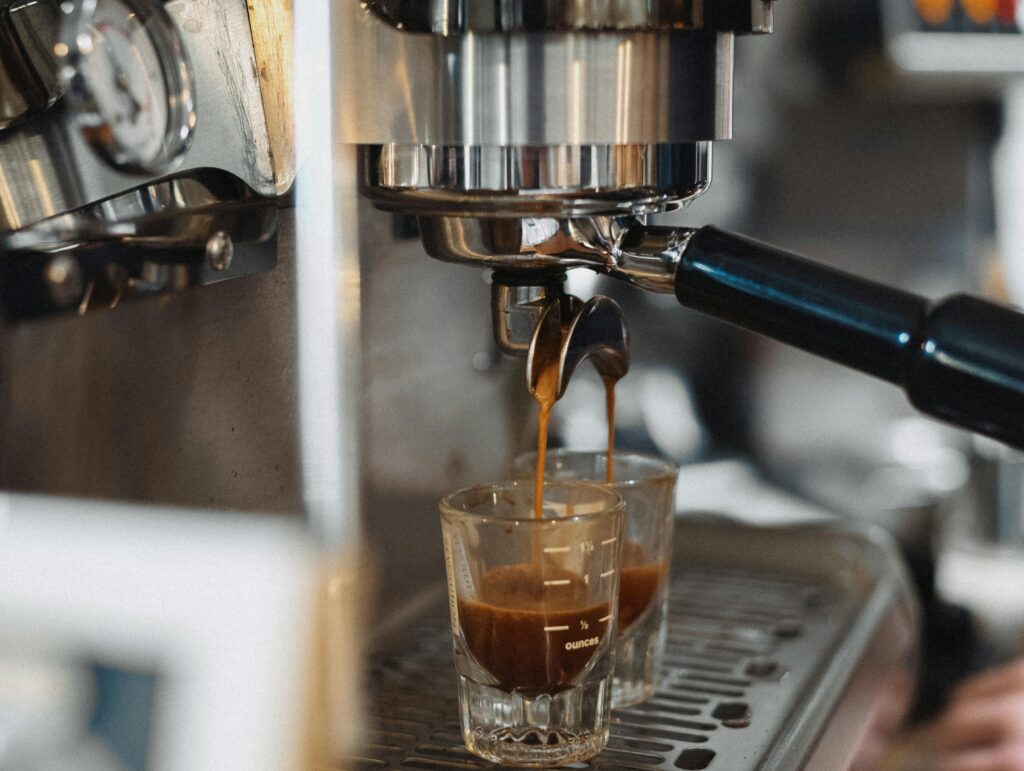
In a high-pressure environment, we often look for “micro-wins” that shave seconds off each beverage’s preparation time by perfecting our mise en place. Staging involves preparing the next steps of a drink while the current one is still in progress, such as using the pitcher rinser or grabbing the correct milk pitcher setup. We can also implement pre-dosing strategies using a dosing cup, where portafilters are cleaned and ready for the next shot as soon as a drink is finished. This proactive approach prevents the “start-stop” rhythm that often plagues an inexperienced coffee stand team. By keeping the group head of the coffee machine engaged as much as possible, we maximize the equipment’s potential for temperature stability. We must train our staff to read the order details two drinks ahead, ensuring that the transition between orders is nearly instantaneous. This level of foresight is what separates a professional high-volume operation from a standard service.
Mastering the Science of Milk Sharing
Milk steaming is often the primary bottleneck in any espresso-based workflow, particularly when many orders involve plant-based beverages. We suggest utilizing milk sharing techniques, where a larger volume of milk is textured to the perfect consistency and then divided into multiple jugs. This allows a single barista to prep two or three milk-based drinks simultaneously, provided the syrups and flavor additions are staged correctly. We must be careful to maintain the correct temperature and consistency checks for each specific drink style during this process. It requires a high level of skill to ensure that the latte art on the last drink poured is just as silky as the first. When executed correctly, this milk system can double the station’s output without compromising the integrity of the micro-foam. It is a vital skill for any team looking to conquer the morning surge while maintaining high-quality standards.
The Critical Importance of Synchronized Teams
No matter how skilled an individual barista is, a rush hour is ultimately a team sport that requires perfect synchronization. We advocate for clearly defined roles, such as a “shot-puller” who focuses exclusively on the espresso machine and a “milk-specialist” who handles texturing. In even busier settings, a “floater” can be assigned to manage batch brew refills, cleaning, and an inventory check to keep the primary creators in their flow state. Communication must be verbal and concise, ensuring that cold brew orders and V60 filter coffee requests don’t get lost in the shuffle. We have found that when everyone knows exactly where they should be, the team’s mental load is significantly reduced. This specialized division of labor ensures that no single person becomes overwhelmed by the volume of coffee beans being processed. A team that moves as one unit will always outpace a group of individuals working in isolation.
Leveraging Modern Technology for Consistency
The integration of advanced coffee technology has revolutionized how we handle service during peak hours. We can now utilize an on-demand grinder with gravimetric shot control to remove variables that often fluctuate under stress. These tools ensure that every batch of coffee beans has an identical particle-size distribution, allowing the barista to focus on more complex tasks. We should also consider the benefits of a puck press or an automatic tamp to ensure perfectly level beds every time without physical strain. Using a tamper-and-distributor combo on a dedicated tamping mat further streamlines portafilter preparation. While the human element remains irreplaceable, tools like a self-leveling tamper or a puck screen provide a safety net that maintains quality. By embracing these innovations, we empower our staff to deliver excellence consistently, even when the line is out the door.
Maintaining Quality Control Under Pressure
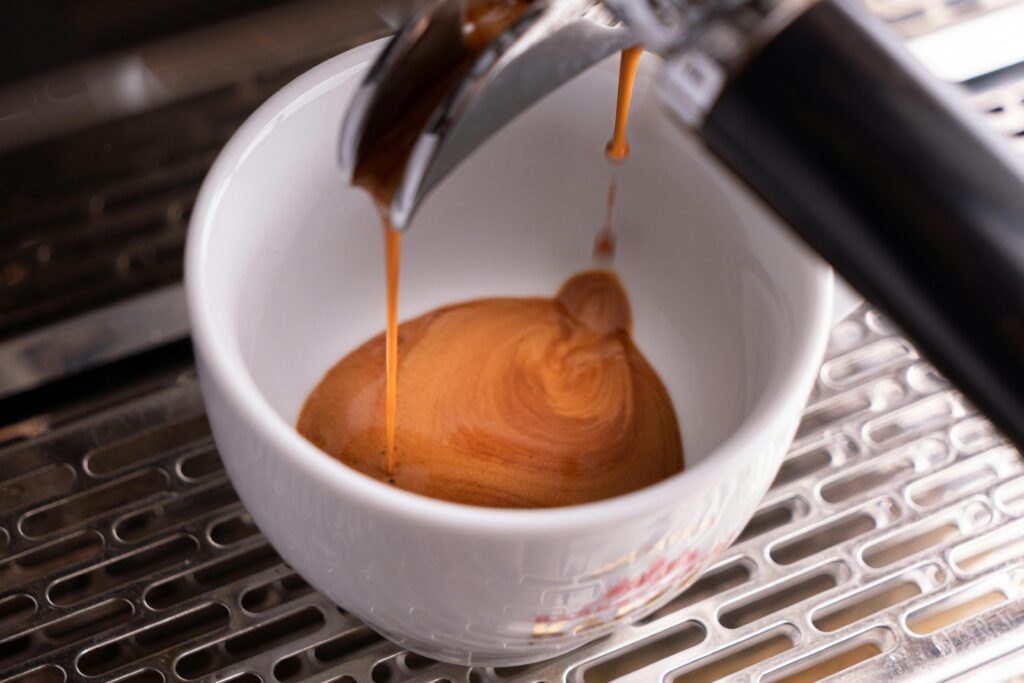
The greatest challenge during rush hour is preventing the “speed-quality trade-off” where standards slip in favor of faster service. We must instil a culture where checking the scale with a timer is not a one-time morning task but a continuous process. We suggest performing quick temperature and consistency checks every thirty minutes to account for changes in the environment. If a shot runs too fast or too slow, we must be willing to pause for 10 seconds to adjust the on-demand grinder rather than serve a subpar product. We believe that coffee enthusiasts would rather wait an extra minute for a perfect espresso than receive a bitter one instantly. Keeping a close eye on our cleaning routines, even during the rush, prevents old oils from tainting the flavor of the fresh coffee beans. Quality is our reputation, and we must defend it most fiercely when the pressure is at its highest.
Post-Rush Recovery and Workflow Refinement
Once the peak hours subside, the workflow shifts from high-speed production to essential recovery and analysis. We recommend a structured “reset” protocol where the coffee station is deep-cleaned, hoppers are refilled, and milk fridges are restocked immediately. This ensures that the team is ready for the next wave of customers without having to scramble for a milk jug or fresh beans. We should also take a few moments to conduct a “mini-debrief” to discuss any workflow issues or bottlenecks that occurred. Perhaps the knock box was too far away, or the pitcher rinser became clogged; these insights are gold for continuous improvement. By treating every rush as a learning opportunity, we can constantly refine our approach to the bar workflow. Success in the coffee industry is a marathon of consistency, and the recovery phase is just as important as the race itself.
Coffee Cups and Mugs
304 Stainless Steel Coffee Mug with Lid
38.88Original price was: 38.88.21.88Current price is: 21.88.Coffeeware
Coffee Distributor Espresso Leveler Adjustable Palm Tamper
27.88Original price was: 27.88.15.88Current price is: 15.88.Coffee Cups and Mugs
Double Wall Glass Coffee Mug with Handle
Coffee-Making Accessories
EspressoPro Knock Box – Anti-Slip Coffee Grounds Container
28.88Original price was: 28.88.11.88Current price is: 11.88.Coffee Cups and Mugs
Glass Measuring Cup with Wooden Handle
30.88Original price was: 30.88.15.88Current price is: 15.88.Coffee Cups and Mugs
Heat-Resistant Striped Glass Cup
28.88Original price was: 28.88.14.88Current price is: 14.88.Coffee-Making Accessories
MHW-3BOMBER Spring Loaded Espresso Tamper 51/53/58mm
160.88Original price was: 160.88.105.88Current price is: 105.88.Coffee-Making Accessories
MINI USB Rechargeable Milk Frother
23.88Original price was: 23.88.11.88Current price is: 11.88.Coffee-Making Accessories
Portable Disposable Drip Coffee Filter Bags
30.88Original price was: 30.88.15.88Current price is: 15.88.Coffee-Making Accessories
Pour Over Coffee Dripper Set
72.88Original price was: 72.88.43.88Current price is: 43.88.