

Coffee Guides
How Water Hardness Affects Specialty Coffee

Understanding the science of water hardness is the first step toward mastering the art of specialty coffee brewing. While many enthusiasts focus heavily on bean origin and roast level, the chemical composition of the water used for coffee extraction is often an overlooked variable. We must recognize that a cup of coffee is approximately 98% water, making it the primary solvent responsible for pulling flavor compounds out of the coffee grounds. When we talk about water quality, we specifically refer to the concentration of dissolved minerals, primarily calcium hardness and magnesium carbonate, in the liquid. These minerals do not just sit idly in the brew; they actively participate in the chemical reactions that define the final flavor profile. By understanding how these elements interact with coffee, we can begin to manipulate our home-brewing environment for superior results. We aim to explore the intricate relationship between mineral content and flavor clarity to help you achieve the perfect extraction every time.
The Chemical Role of Minerals in Extraction
Magnesium and calcium act as the primary engines of coffee extraction because of their unique ability to bind with complex acids and sugars. We find that magnesium is particularly aggressive at pulling out sharp, fruity, and acidic notes because of its high charge density, whereas calcium hardness helps highlight the brew’s creamy body. When these minerals are absent, as is often the case with distilled water or overly soft water, the extraction process becomes sluggish and inefficient. We often observe that using purified water without any mineral content leads to a flat, sour, and uninspiring cup because the solvent lacks the “grip” necessary to move flavors. Conversely, a balanced concentration of these cations ensures that the nuanced organic acids are properly represented in the carafe according to standards set by the specialty coffee association. We believe that understanding this molecular tug-of-war is vital for anyone looking to unlock the full potential of their coffee grinders and high-quality beans. We must also be wary of iron ions in the water, which can impart a metallic taste and ruin the delicate balance of a light roast.
Carbonate Hardness and the Buffer Effect
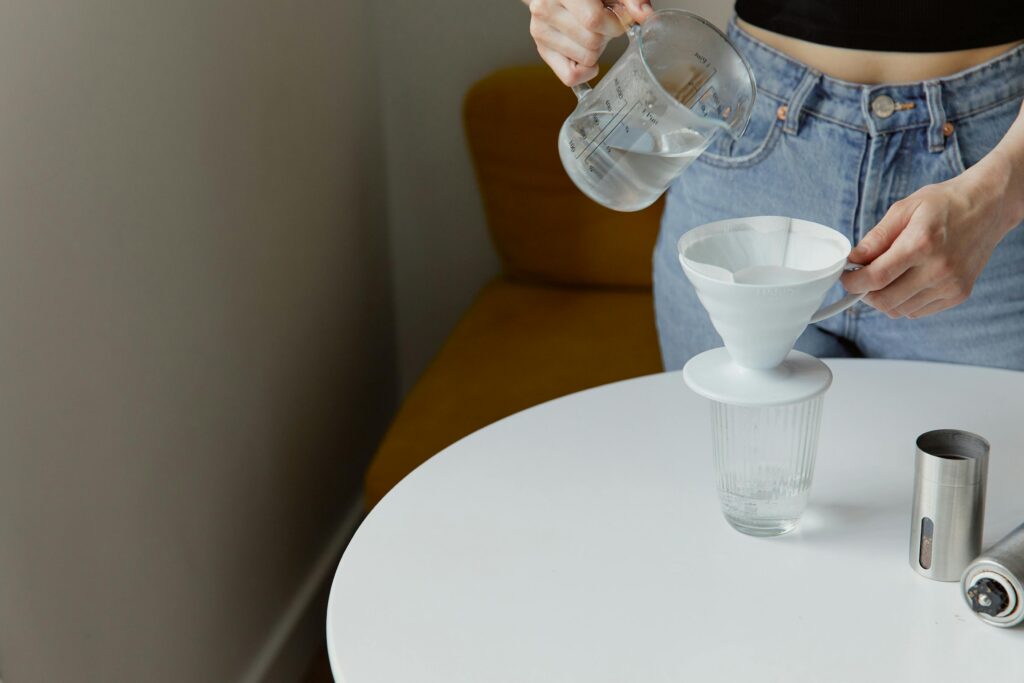
Buffer capacity, often discussed as bi-carbonate hardness, plays a critical role in how we perceive the acidity of our specialty coffee. While general hardness pulls flavors out, alkalinity acts as a sponge that soaks up and neutralizes the acids during the coffee brewing process. We must maintain a delicate balance here, as too much temporary hardness will cause a coffee to taste chalky, dull, and physically “heavy” on the tongue. If the alkalinity is too low, the coffee may taste vinegary or unpleasantly sharp, even if the brewing techniques are technically sound. We see this frequently in regions with very soft water, where the natural brightness of the coffee is left unchecked by any buffering water treatment substances. By managing the bicarbonate levels, we can effectively “tune” the acidity to be vibrant yet smooth and integrated within the flavor profile. We recommend that coffee lovers use tds meters to regularly check their brewing water to ensure the pH level remains in an optimal range for clarity.
The Impact of High TDS on Coffee Clarity
When the total dissolved solids in our water are excessively high, we run into the significant risk of over-extracting the coffee, leading to harsh and astringent flavors. High concentrations of minerals act like a high-powered vacuum, pulling out not just the desirable sugars but also heavy organic substances and bitter tannins. We find that water with a high permanent hardness often results in a cup that feels “muddled,” where individual flavor notes are lost in a sea of generic bitterness. This happens because the minerals saturate the solution so quickly that the delicate balance of the extraction timeline is thrown completely off. We often suggest that brewers using hard mineral water coarsen their grind size significantly to compensate for this increased extraction power. However, even with adjustments, the “buffering” effect of hard water can still mask the floral aromatics we prize in pour-over coffee. We advise that if your tap water leaves significant lime residue in your kettle, it is likely too aggressive for high-end brewing.
Maintaining Machine Health and Longevity
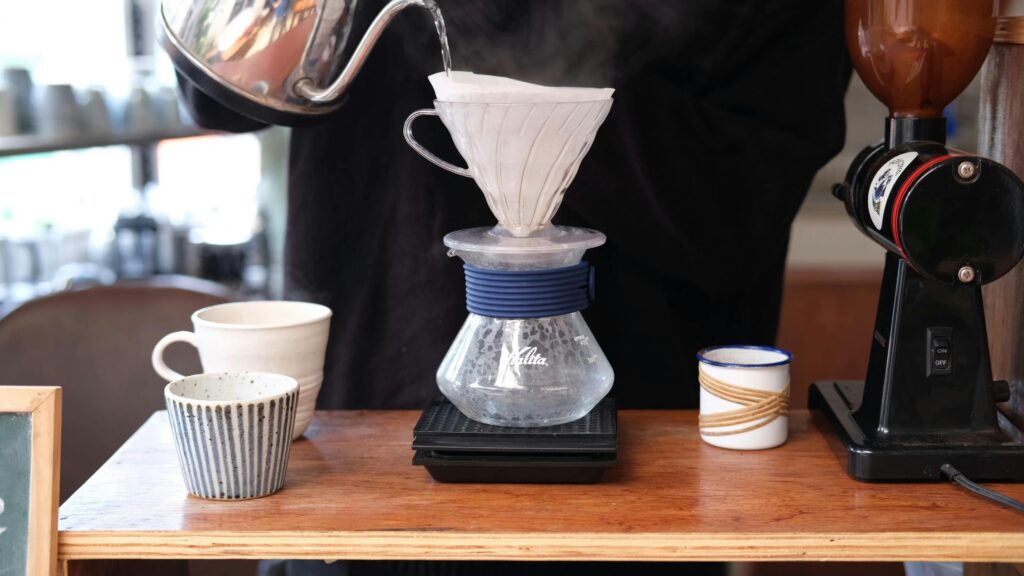
Beyond the flavor of the liquid in the cup, we must consider the physical impact that water hardness has on our expensive equipment. Calcium carbonate tends to precipitate from water when heated, forming a hard, white crust known as lime residue inside an espresso machine or coffee maker. We have seen countless manual espresso machines fail prematurely because mineral buildup restricted flow and damaged sensitive heating elements. This scaling doesn’t just break the machine; it also creates an inconsistent thermal environment that ruins the precision of your immersion brewing or espresso shots. To combat this, we advocate using a calcium treatment unit or ion-exchange softeners to prevent scale and ensure long-term machine health. Protecting your investment in drip coffee makers or a high-end espresso machine is just as important as the quality of the beans themselves. We believe that a proactive approach to water filtration is the only way to ensure consistent performance over many years of service.
Modern Filtration and Customization Solutions
The industry has evolved to the point where we can now customize our brewing water chemistry with incredible precision using diy water products. Products like Third Wave Water allow us to start with a base like Life Pure Distilled Drinking Water and add back the exact ratios of minerals we desire. We find this approach to be the “gold standard” for consistency, especially when compared to using unpredictable bottled water or basic filtering jugs. We also see many professional environments installing sophisticated reverse osmosis filtration systems with remineralisation bypasses, such as the BestMax Premium System. These reverse osmosis systems allow for complete control over water composition, ensuring every brew is repeatable and transparent. For those who prefer percolation drippers, using filtered water specifically treated for coffee is a transformative experience. We encourage every serious brewer to experiment with water filtration to see how it enhances the nuances of their favorite origin.
Optimizing Different Brewing Methods
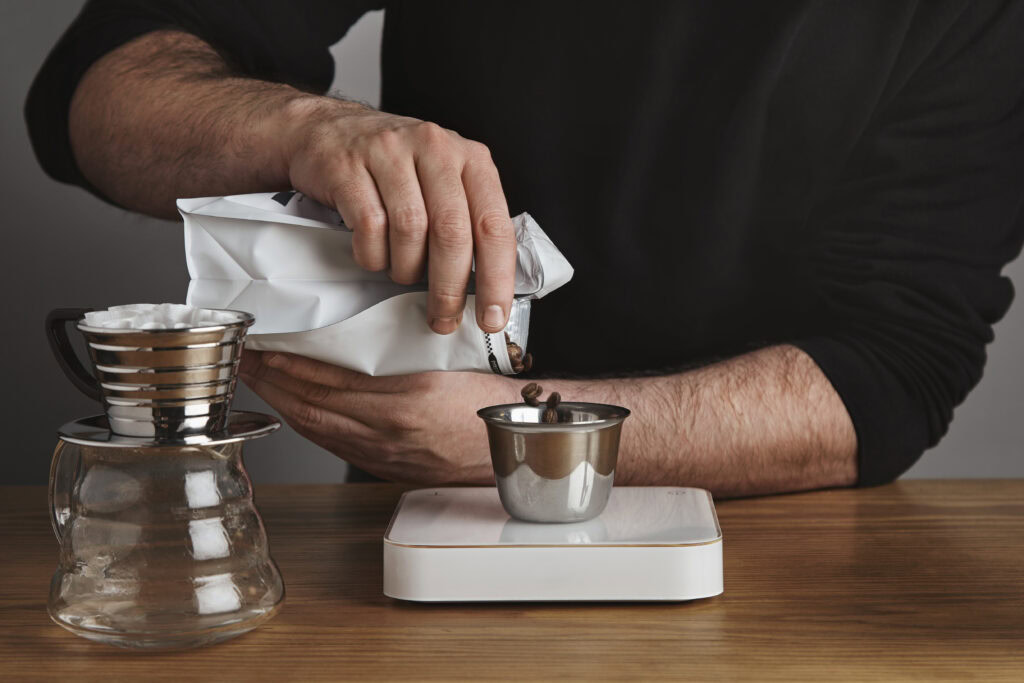
Ultimately, the best way to handle water quality is to learn how to “dial in” your brewing techniques to the tools you use. Whether you are using a french press, drip coffee makers, or sibarist filter papers for a clean pour over, the water must be tailored to the method. If we know our water is slightly hard, we might reduce agitation during immersion brewing to avoid pulling out the heavier, more bitter organic compounds. For those using milk frothers to make lattes, the mineral content of the water used for the espresso base will even affect how the coffee cuts through the milk’s sweetness. We believe that coffee sustainability also plays a role here, as using the right water reduces waste from failed brews and protects equipment from ending up in the landfill. By mastering the relationship between your coffee grounds and your filtration systems, you become a more intentional and successful brewer. We hope this guide empowers you to take control of your water and enjoy the highest expression of your specialty coffee.
Coffee Cups and Mugs
304 Stainless Steel Coffee Mug with Lid
38.88Original price was: 38.88.21.88Current price is: 21.88.Coffeeware
Coffee Distributor Espresso Leveler Adjustable Palm Tamper
27.88Original price was: 27.88.15.88Current price is: 15.88.Coffee Cups and Mugs
Double Wall Glass Coffee Mug with Handle
Coffee-Making Accessories
EspressoPro Knock Box – Anti-Slip Coffee Grounds Container
28.88Original price was: 28.88.11.88Current price is: 11.88.Coffee Cups and Mugs
Glass Measuring Cup with Wooden Handle
30.88Original price was: 30.88.15.88Current price is: 15.88.Coffee Cups and Mugs
Heat-Resistant Striped Glass Cup
28.88Original price was: 28.88.14.88Current price is: 14.88.Coffee-Making Accessories
MHW-3BOMBER Spring Loaded Espresso Tamper 51/53/58mm
160.88Original price was: 160.88.105.88Current price is: 105.88.Coffee-Making Accessories
MINI USB Rechargeable Milk Frother
23.88Original price was: 23.88.11.88Current price is: 11.88.Coffee-Making Accessories
Portable Disposable Drip Coffee Filter Bags
30.88Original price was: 30.88.15.88Current price is: 15.88.Coffee-Making Accessories
Pour Over Coffee Dripper Set
72.88Original price was: 72.88.43.88Current price is: 43.88.