

General Info
Smart Ways to Use Coffee Grounds for Plants

Why Coffee Grounds for Plants Are So Popular
Using coffee grounds in the garden is appealing because it lets us turn a daily habit into a practical form of organic gardening. Many of us brew coffee every morning and toss the Used Coffee Grounds straight into the trash, even though they are actually a valuable form of organic material that can support soil health when used correctly. Gardeners like the idea of taking something free from a coffee shop or even commercial coffee houses and turning it into a gentle coffee ground fertilizer for their beds and containers. We also appreciate that this approach keeps yard waste and kitchen scraps out of landfills and directs them into a more sustainable Home Composting system. At the same time, there are myths online that claim coffee will magically fix every garden problem, from pests to blossom end rot, which can give an unrealistic impression of what these grounds can really do. Understanding the real benefits, limits, and risks behind the trend of using Grounds for Your Garden helps us move beyond hype and build a more science-based approach to soil care.
What Is Really in Coffee Grounds and Why It Matters
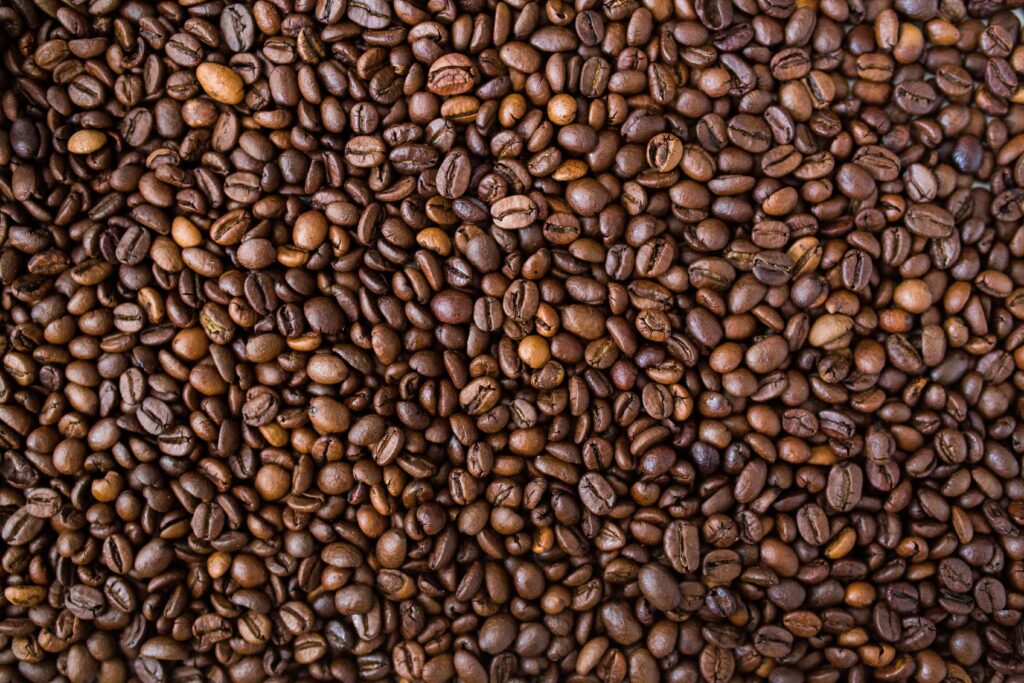
To use coffee grounds responsibly, we need to understand what they actually contain and how that influences our soil. Chemically, they add modest nitrogen, traces of micro nutrients, and plenty of organic matter that can improve soil structure over time. Contrary to popular belief, most brewed grounds are close to pH neutral on the pH scale, which means they are unlikely to dramatically change soil pH unless we add them in extreme amounts. A soil scientist would remind us that any single ingredient, no matter how trendy, is only one piece of the puzzle, and that we should always think in terms of the carbon-to-nitrogen ratio, overall microbial activity, and medium- to long-term effects. Because coffee breaks down slowly, it behaves more like a soil amendment than a fast-acting fertiliser, gradually releasing nutrients and improving texture rather than providing an instant boost of plant nutrition. This slow release is part of why experienced gardeners with a strong reputation on permies and other forums emphasize moderation and mixing, instead of dumping thick layers of grounds directly on the soil surface.
Benefits of Coffee Grounds for Plants (When Used Correctly)
When we integrate coffee grounds thoughtfully, they bring several genuine benefits to the garden. First, their organic matter helps loosen heavy clay and gives sandy areas a greater ability to hold moisture, leading to a more crumbly, resilient soil structure. Second, they can support microbial activity by feeding beneficial bacteria and fungi that help cycle nutrients, especially when the grounds are part of a diverse compost pile or compost heap. Third, when mixed into compost, they provide “green materials” that balance “brown materials” such as shredded leaves, straw, or shredded plant material, improving the overall carbon-to-nitrogen ratio. Many gardeners see improved plant vitality once their soil contains a steady supply of well-decomposed organic material, rather than relying solely on bottled fertilisers. We also find that adding coffee to worm bins can help feed mealworms and earthworms in moderation, supporting a living, breathing soil ecosystem instead of a sterile one. All of this adds up to a more robust environment for roots, especially when we complement coffee-based amendments with proper watering, mulching, and occasional soil analysis to check how our practices are shaping long-term soil health.
The Big Mistakes: How Coffee Grounds Can Harm Your Plants
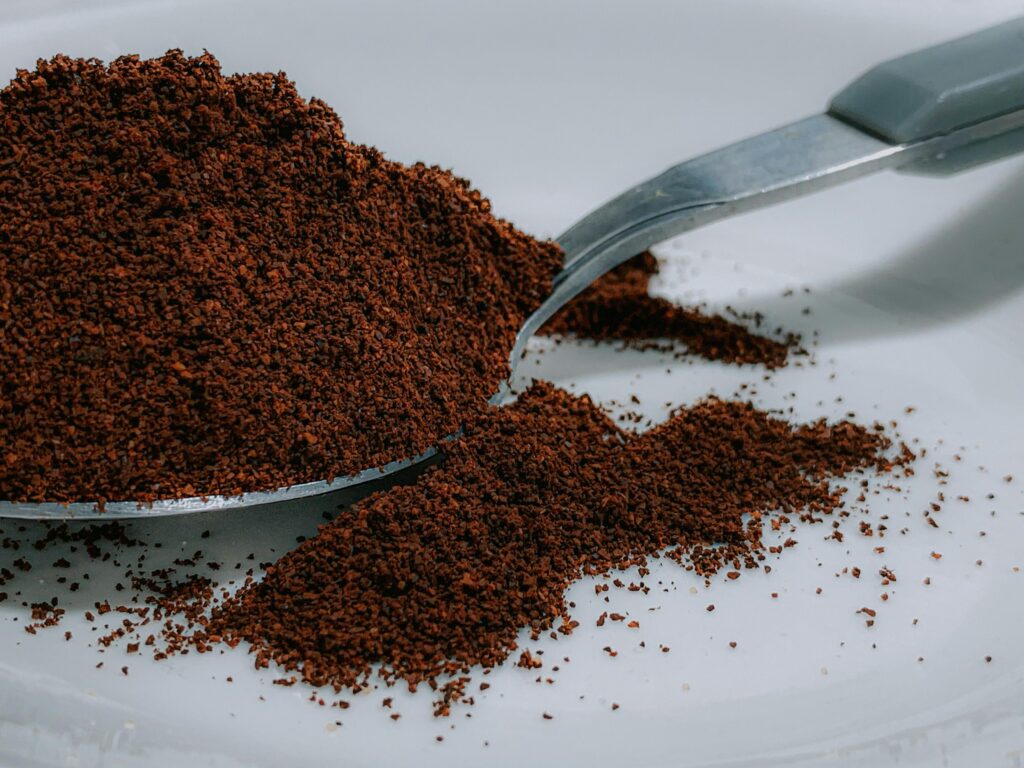
Despite the potential benefits, it is very easy to misuse coffee grounds and end up harming the very plants we hope to help. The most common mistake is spreading a thick layer of ground as mulch instead of mixing them with other materials like wood chips or shredded leaves. When the grounds dry, they can form a hard crust that sheds water instead of absorbing it, starving roots of moisture even if we apply a full pound water with the hose. Another risk is using too many grounds directly around seedlings and indoor plants in potting soil or in an indoor garden, where the fine texture can cause compaction, poor drainage, and even mould problems. Some compounds in coffee, including traces of caffeine, can interfere with germination and slow root development, which is especially problematic for sensitive plants like African violets and some orchids. We also cannot rely on coffee to prevent nutrient disorders such as blossom end rot in tomatoes or summer squash, because that condition is more about calcium availability and moisture consistency than about nitrogen-rich inputs. When we ignore these nuances and treat coffee as a cure-all, we risk undermining our plants’ vitality instead of supporting it.
Best Practices: How to Use Coffee Grounds Safely in the Garden
The safest approach is to treat coffee grounds as just one part of a well-balanced system rather than the star of the show. A simple guideline is to let grounds make up no more than about 10–20% of the total volume in a compost pile or compost bin, always mixing them with plenty of brown materials such as cardboard, dry straw, and shredded leaves. In a classic Home Composting setup, we add coffee as a moist “green” ingredient along with other kitchen scraps, then layer it with drier elements to keep airflow and support steady microbial activity. If we are running a hot compost system, the nitrogen in the grounds can help the pile heat up faster, especially when combined with yard waste and shredded plant material. For direct use in beds, we should lightly mix the grounds into the top layer of soil or blend them with finished compost before spreading, instead of dropping them as a solid mat on the surface. Over time, this consistent, gentle approach acts like a subtle soil amendment that strengthens structure, feeds soil life, and supports root growth without overwhelming the system.
Which Plants Like (and Don’t Like) Coffee Grounds?
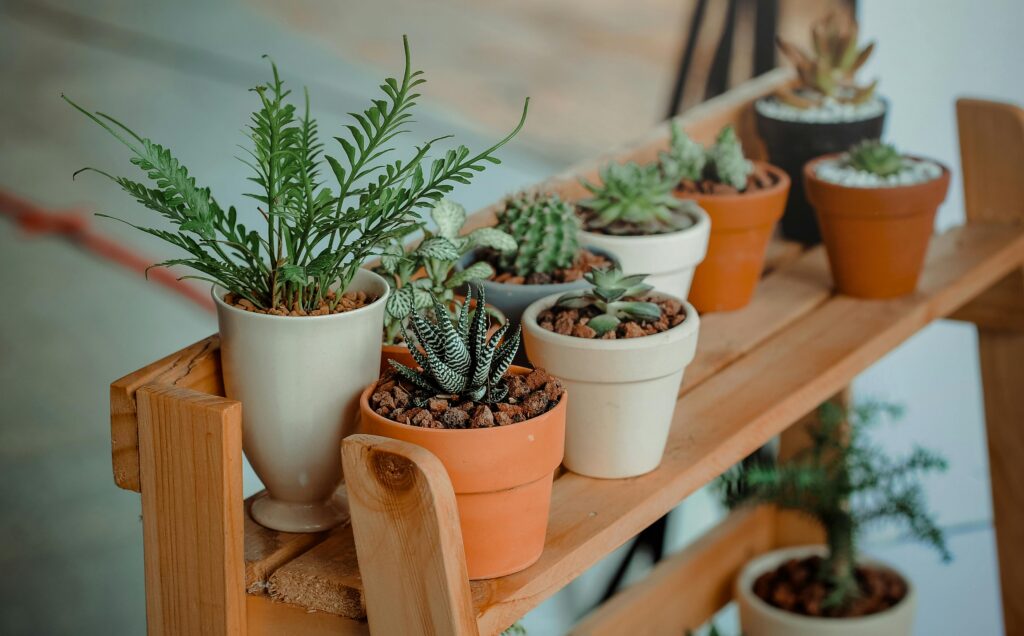
Different plants respond differently to coffee grounds, so we need to adapt our approach based on the species and growing conditions. Many shrubs, trees, and perennials outdoors can handle small amounts of coffee-infused compost, because their roots are extensive and their environment is buffered by surrounding neighborhood yards and natural processes. Houseplants and indoor plants, especially those in small pots with dense potting soil, are more sensitive to compaction and moisture imbalance, so we should use very small amounts of coffee-based compost, if any, and observe carefully. Some growers report that certain plants, such as African violets, prefer a light, airy mix and may not appreciate too much fine-textured material like coffee in their root zone. For acid-loving plants, people often assume coffee will automatically lower soil pH, but remember that used grounds tend to be close to pH neutral, so we should not count on them as a primary acidifying amendment. When in doubt, we can consult resources from Home & Gardens institutions, community gardens, or even those participating in a Horticultural Traineeship program to see how experts balance coffee with other amendments in specific plantings. Aligning our use of coffee with the actual needs of each species leads to better outcomes than following generalised internet tips.
Composting Coffee Grounds: Bins, Piles, Worms, and More
The most reliable way to use coffee grounds is to compost them first. We can collect daily grounds, often still in their coffee filter, and empty them into a backyard compost bin or open compost heap along with fruit peels, vegetable scraps, and other kitchen scraps. When we add these “green materials” to a pile rich in “brown materials,” we support a balanced carbon-to-nitrogen ratio that keeps the system from becoming slimy or smelly. Gardeners who keep worm bins find that small amounts of coffee can feed earthworms and sometimes mealworms, though it should be mixed with other bedding materials like shredded paper and not used as a sole food source. On farms and in homesteads, some people even mix modest amounts of coffee-enriched bedding from a chicken coop into compost, integrating animal manures, yard waste, and coffee into one robust process. With careful turning and moisture control, this approach creates a living, breathing compost that can be used as a gentle coffee ground fertiliser once it is fully matured and no longer recognisable as separate ingredients.
Coffee Grounds, pH, and Understanding Your Soil
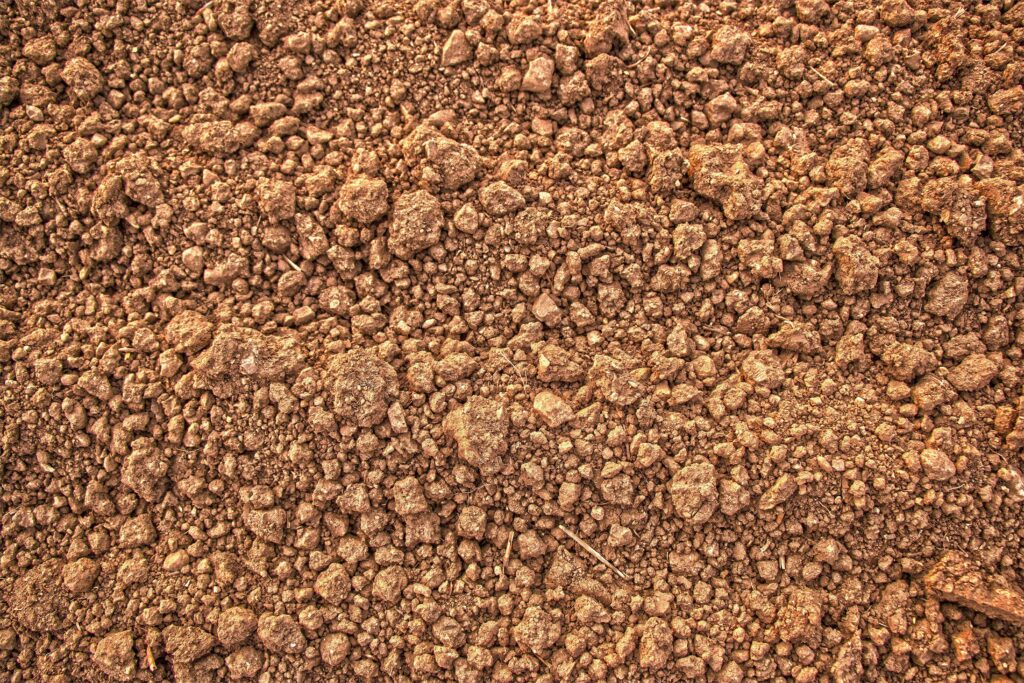
Many gardeners worry that coffee grounds will make their soil too acidic, so it helps to look at this through the lens of soil analysis. Most brewed grounds are close to pH neutral, usually hovering near the middle of the pH scale, especially after water has moved many of the more soluble compounds into the coffee we drink. That means they tend not to be strong acidifiers when used in normal quantities, though they still contribute organic matter that can subtly influence soil pH over the long term by changing how nutrients cycle. A trained soil scientist or advanced gardener in a Horticultural Traineeship would emphasise that if we have serious concerns about acidity, we should test our soil rather than guess, then adjust with proven amendments like lime or sulfur if needed. Coffee should be seen more as a minor tweak than a major pH tool. If tests show that our soil already has good soil health and stable pH, then coffee-based amendments can serve mostly as a structural and biological support, helping roots explore a looser, more biologically active profile. This measured, evidence-based approach keeps us from making drastic changes based on assumptions or social media trends.
Coffee, Pests, and the Limits of “Natural” Controls
Another popular claim is that coffee grounds act as a natural pesticide, driving away slugs, insects, and even larger pests. While there is some anecdotal evidence that coffee can work as a mild slug repellent or slug killer when sprinkled in a ring around beds, the effect is inconsistent and often short-lived, especially after rain. Some gardeners also report partial control of pests like orchid snails, june bugs, and other biological attackers, but these experiences vary, and the grounds are not a guaranteed method of bacterial control or insect management. We must remember that relying heavily on any single practice for pest control, even a “natural” one, is risky, and that a more reliable strategy combines healthy soil health, plant diversity, and targeted interventions when necessary. Coffee can be one tool among many, but it should not replace observation, hygiene, and integrated pest management. Using it sparingly around problem areas may help in certain situations, but if we expect coffee alone to eliminate pests, we are likely to be disappointed. Treating it as a minor helper rather than a magic bullet keeps expectations realistic.
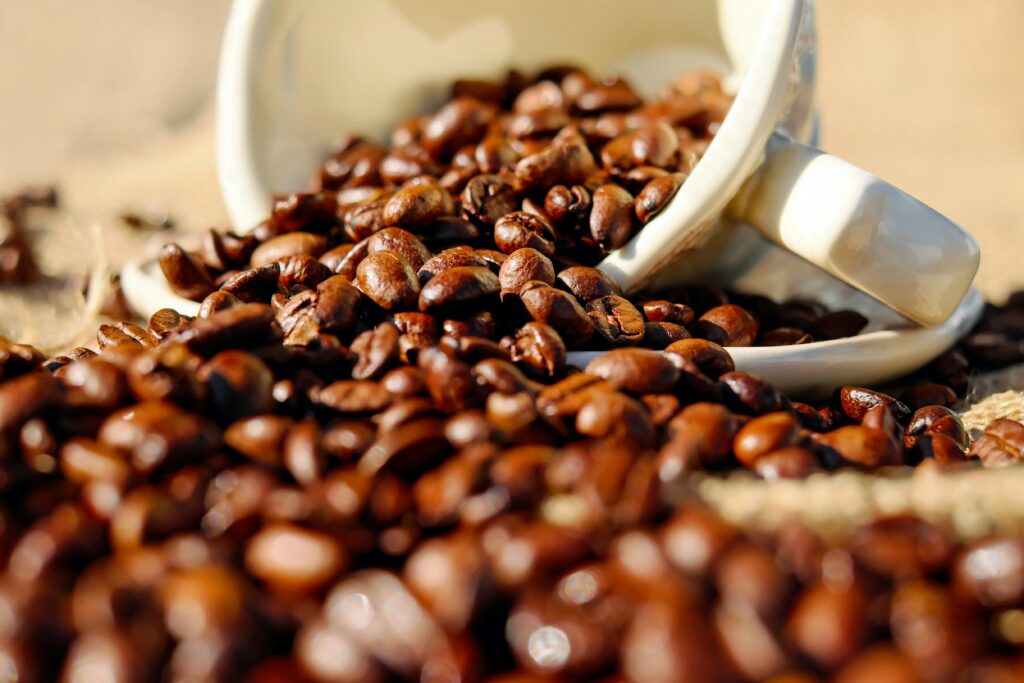
Using Coffee for Indoor Plants and Special Cases
When we move indoors, the rules around coffee grounds become even stricter because of the confined nature of containers and indoor garden setups. Indoor plants like African violets, some ferns, and casual houseplants in pots are often grown in light potting soil mixes designed for airflow and drainage, and adding too much fine-textured organic material like coffee can work against that design. If we experiment with coffee indoors, we should do so only by adding a small amount of fully composted material that once contained grounds, rather than applying fresh coffee directly. We can also explore diluted coffee—plain, cooled, very weak coffee mixed with a lot of water—as an occasional, gentle feed, but it should never replace proper fertilisers or lead us to overwater. For speciality plants like orchids or those prone to problems such as blossom end rot, we need to prioritise well-balanced fertilisers and correct cultural conditions rather than leaning on experimental coffee treatments. Overall, if we choose to use coffee indoors, we should go slowly, observe closely, and be ready to stop if we see mould, fungus gnats, or any signs of root stress. The more we respect the delicate balance in containers, the better our houseplants will respond.
Final Thoughts: Treat Coffee Grounds as a Helpful Extra, Not a Miracle
In summary, using coffee grounds for plants works best when we view them as a supportive form of organic matter rather than a miracle fix. They contribute to soil structure, feed beneficial microbes, and help us transform kitchen scraps from homes and even commercial coffee houses into living soil through thoughtful Home Composting. When balanced in a compost pile with the right mix of green materials and brown materials, they can play a valuable role in long-term soil health and plant vitality in both backyard beds and neighbourhood yards. However, if we rely on them to cure blossom end rot, act as a complete natural pesticide, or radically shift soil pH without testing, we will likely be disappointed. A measured, science-informed approach—possibly inspired by the standards used in professional Home & Gardens programs—encourages us to use grounds in moderation, keep an eye on the pH level, and monitor how our plants respond over time. When we do that, we successfully turn everyday coffee habits into a small but reliable ally in growing healthier, more resilient plants.
Coffee Cups and Mugs
304 Stainless Steel Coffee Mug with Lid
37.88Original price was: 37.88.21.88Current price is: 21.88.Coffeeware
Coffee Distributor Espresso Leveler Adjustable Palm Tamper
27.88Original price was: 27.88.15.88Current price is: 15.88.Coffee Cups and Mugs
Double Wall Glass Coffee Mug with Handle
Coffee-Making Accessories
EspressoPro Knock Box – Anti-Slip Coffee Grounds Container
28.88Original price was: 28.88.11.88Current price is: 11.88.Coffee Cups and Mugs
Glass Measuring Cup with Wooden Handle
28.88Original price was: 28.88.11.88Current price is: 11.88.Coffee Cups and Mugs
Heat-Resistant Striped Glass Cup
28.88Original price was: 28.88.14.88Current price is: 14.88.Coffee-Making Accessories
MHW-3BOMBER Spring Loaded Espresso Tamper 51/53/58mm
160.88Original price was: 160.88.105.88Current price is: 105.88.Coffee-Making Accessories
MINI USB Rechargeable Milk Frother
23.88Original price was: 23.88.11.88Current price is: 11.88.Coffee-Making Accessories
Portable Disposable Drip Coffee Filter Bags
30.88Original price was: 30.88.15.88Current price is: 15.88.Coffee-Making Accessories
Pour Over Coffee Dripper Set
73.88Original price was: 73.88.44.88Current price is: 44.88.