

Coffee Guides
Butter in Coffee: Smart Habit or Overhyped Trend?

Butter in coffee has gone from a quirky online experiment to a serious topic in modern performance nutrition. People now talk about it in the same breath as productivity hacks, the keto diet, and advanced brain power strategies, rather than just another way to dress up their morning drink. Instead of a splash of milk and sugar, many now blend hot black coffee with grass-fed butter, coconut oil, or MCT oil to create a richer, creamier drink often called butter coffee, keto coffee, or Bulletproof coffee. This trend took off after the rise of the Bulletproof Executive brand, which popularized the idea that a mix of coffee, grass fed unsalted butter, and medium-chain triglycerides could elevate mental performance, stabilize energy levels, and even support weight loss. The promise of more focus, fewer sugar crashes, and a streamlined routine is naturally appealing, especially to busy professionals and health enthusiasts. However, to judge whether butter in coffee is a smart long‑term habit, we need to look beyond the hype and examine what is actually happening in our bodies, how this practice compares with a more traditional balanced breakfast, and who should approach it with caution.
What Butter Coffee Actually Is and Why It Became So Popular
When we talk about butter coffee in the modern sense, we are describing a drink made by blending freshly French press coffee, cold brew coffee, or any well‑brewed coffee bean extraction with unsalted butter, often from grass‑fed cows, and frequently some form of MCT oil or coconut oil. This mixture creates a creamy emulsion instead of an oily layer, especially when we use a blender or milk frother, and it can resemble a rich latte despite containing no milk. The idea was partly inspired by traditional drinks such as Tibetan yak butter tea, in which yak butter is blended with tea and salt to help people living at high altitudes stay warm and energised throughout the day. In a similar way, some Southeast Asian coffee traditions like nanyang kopi use strong dark roast coffee, butter, and sugar to build body and flavor, although these versions are not designed with low-carb intake in mind. The modern wellness version, however, removes sugar and instead emphasizes high‑quality fats like grass-fed butter and purified medium-chain triglycerides from coconut oil to fit a ketogenic diet. As stories spread about sharper mental clarity and easier appetite control, many people began to see Bulletproof coffee and similar recipes as tools for weight management and cognitive function, rather than just indulgent drinks.
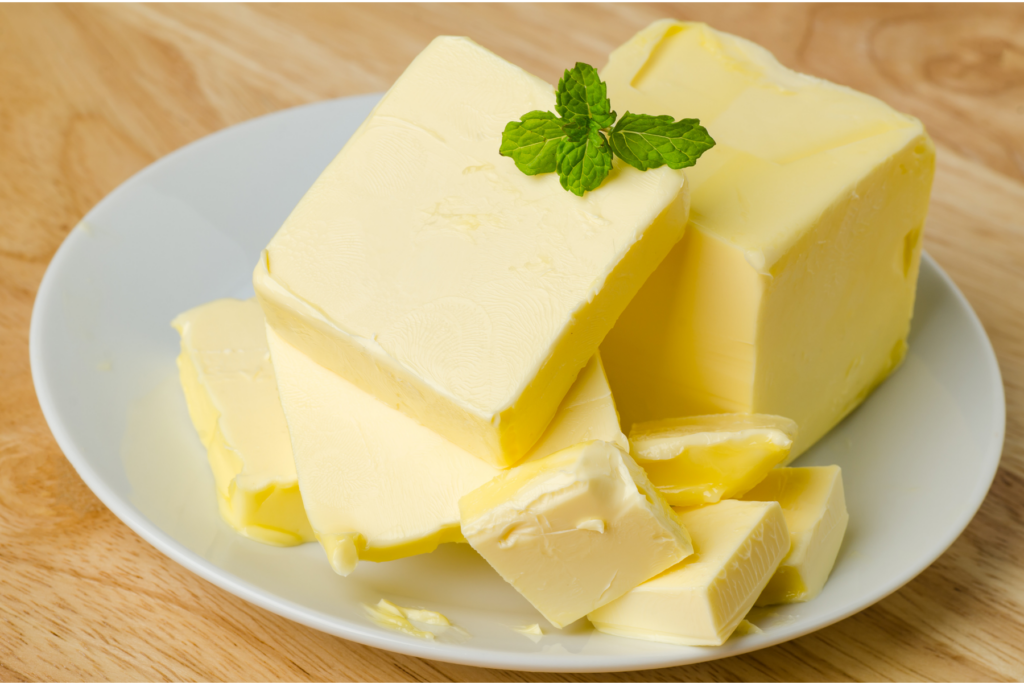
How Butter in Coffee Works Inside the Body
To understand the real health benefits and risks of butter in coffee, we have to unpack how its main components interact with our metabolism and brain. The coffee bean itself contributes caffeine and polyphenal antioxidants, which can support alertness and may help protect cells from oxidative stress, potentially influencing long‑term risks for neurodegenerative diseases in complex ways still being studied. When we choose high‑quality, low‑toxin beans and prepare them as black coffee—whether French press, espresso, or cold brew coffee—we get a clean base for adding fats without the extra sugar found in many commercial drinks sweetened with high fructose corn syrup. The addition of grass fed unsalted butter provides saturated fat and fat‑soluble micronutrients such as vitamin K, which plays roles in bone and cardiovascular health, while some practitioners also experiment with cacao butter or brewed cacao as partial butter substitutes to tweak flavor and fat profile. Meanwhile, MCT oil and other medium-chain triglycerides are rapidly absorbed and delivered to the liver, where they can be converted into ketone bodies, especially when overall carb intake is low, supporting a mild ketotic state similar to that of a keto diet. These ketones, in turn, can be used by the brain for fuel and may influence neurotransmitter balance, mitochondrial biogenesis, and cognitive function in ways that could underpin the reported improvements in mental clarity and steady energy levels. However, this metabolic magic only works in our favor when the rest of our diet and lifestyle are aligned; simply adding huge amounts of fat to an otherwise poor diet will not produce miracles and can even worsen markers like LDL cholesterol and insulin resistance.
Potential Health Benefits People Seek from Butter Coffee
The appeal of butter coffee lies in the everyday benefits people say they feel, which go far beyond a simple change in flavor. Many users report a noticeable boost in mental performance and sustained brainpower, claiming they can focus longer on demanding tasks, stay calmer under pressure, and avoid the mid‑morning energy crash they used to experience after sugary breakfasts. This is often attributed to the combined effect of caffeine, MCT oil, and medium-chain triglycerides from coconut oil, which can help generate ketone bodies that serve as an alternative, steady fuel for the brain within a ketogenic diet framework. Others swear by butter coffee as a strategy for weight loss and long‑term weight management because a high‑fat drink in the morning can keep them full for hours, reducing the urge to snack on processed foods or sweets; in contrast, diets high in refined sugar and high fructose corn syrup tend to promote frequent cravings. There is also interest in how this type of drink might influence markers like HDL cholesterol, sometimes called “good” cholesterol, and gut bacteria such as bacteria firmicutes, which have been linked in research to obesity and metabolic health, though the science here is still developing and far from definitive. Some people even explore small additions like raw honey or cinnamon for flavor, but we must remember that even natural sweetness can nudge us away from strict ketosis and change the metabolic profile of the drink. Ultimately, the perceived health benefits of keto coffee depend not just on the recipe but on how consistently it replaces lower‑quality breakfasts and how it fits into an overall pattern of whole‑food nutrition.
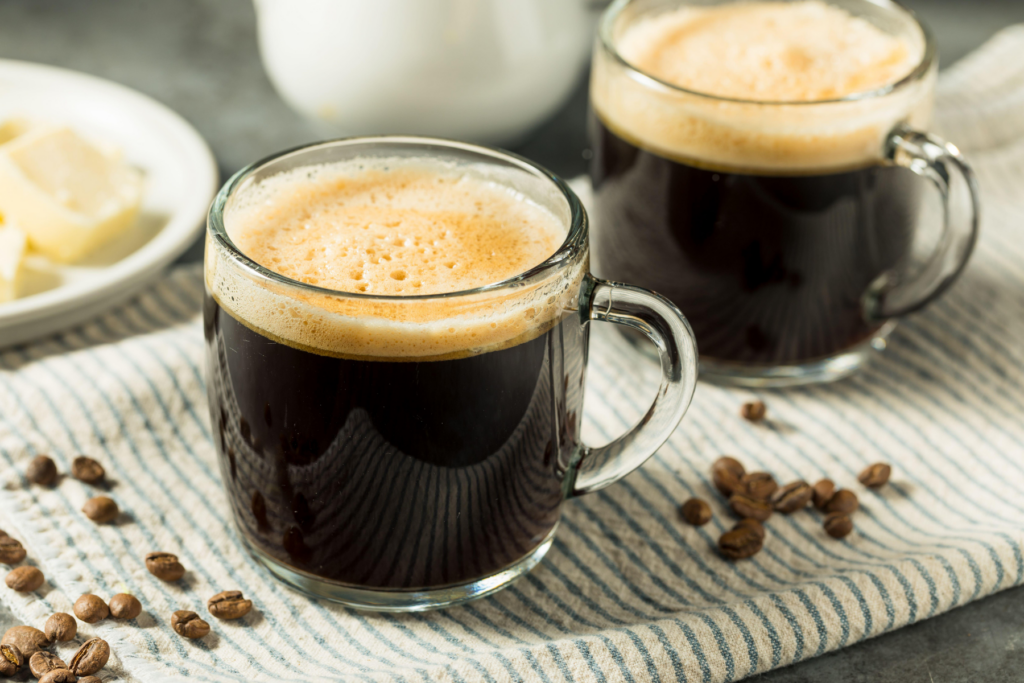
Serious Risks and Drawbacks We Should Not Ignore
While the upsides can be real for certain people, butter in coffee comes with non‑trivial drawbacks that we cannot simply gloss over. The most obvious concern is its high saturated fat content from unsalted butter, grass-fed butter, and related fats, which can raise LDL cholesterol in many individuals, especially those with a genetic predisposition or existing cardiovascular issues, even if it also improves HDL cholesterol to some degree. For people with heart disease, strong family history, or metabolic complications such as insulin resistance, turning a modest cup of black coffee into a daily, high‑fat Bulletproof coffee without medical supervision can be risky and may undo other health efforts. Another key issue is calorie density: a large mug of butter coffee with generous amounts of MCT oil and coconut oil can easily provide the same or more calories than a full, balanced breakfast that includes protein, whole grains, and fruits or vegetables. If we consume this drink in addition to regular meals rather than as a carefully designed meal replacement, we can quietly gain weight, sabotaging any hopes of weight loss and undermining weight management goals. Digestive health is another concern; people with sensitive digestion, a history of gall bladder issues, or trouble processing fats may experience nausea, cramping, or diarrhoea when suddenly exposed to large amounts of medium-chain triglycerides and dairy fat. Finally, we cannot ignore the possibility that relying too heavily on a liquid, high‑fat breakfast may lead us to neglect other vital nutrients, increasing the long‑term risk of chronic conditions and, in a broader sense, even neurodegenerative diseases if overall diet quality suffers.
How to Make Butter Coffee Taste Good and Feel Good
If we decide to test butter coffee for ourselves, technique matters as much as ingredient quality, both for taste and for how it sits in the stomach. A common mistake is to drop a chunk of unsalted butter into hot black coffee and stir, which leaves an unappealing slick of fat on the surface and does little to improve texture or digestibility. A better method is to brew a strong dark roast using a French press or pour‑over, then pour the hot coffee into a blender with a modest amount of grass-fed unsalted butter and a teaspoon or two of MCT oil or coconut oil, blending until the mixture turns frothy and uniformly creamy. Those who prefer not to use a full‑size blender can rely on a handheld milk frother, which can still create a reasonably stable emulsion and give the drink that latte-like texture people enjoy in keto coffee. Some experimenters like adding a little cacao butter or brewed cacao to introduce chocolate notes without loading the drink with sugar, while others compare versions made with regional styles like nanyang kopi to tweak strength and flavor. It is wise to start small with fats to avoid digestive discomfort and then gradually adjust based on how our body responds, rather than jumping straight to the large servings popularized in some Bulletproof coffee recipes. By approaching it this way, we can focus on how our energy levels, mood, and stomach feel over time, rather than just blindly copying someone else’s formula.

Using Butter Coffee Strategically for Different Goals
The real value of butter in coffee depends on how intentionally we use it in the context of our overall lifestyle and goals. For people prioritizing weight loss and weight management, it works best as a carefully measured replacement for a traditional meal, not as an extra indulgence alongside pastries or sugary drinks, and it should coexist with nutrient-dense meals that provide protein, fibre, and micronutrients throughout the rest of the day. Those pursuing a strict keto diet or broader ketogenic diet can leverage MCT oil, coconut oil, and other medium-chain triglycerides in their morning drink to help maintain ketosis, as long as they keep carb intake very low and watch for any changes in markers like LDL cholesterol and insulin resistance. People mainly interested in mental clarity, cognitive function, and sustained mental performance might use a single, well‑timed cup of keto coffee early in the day, focusing on high‑quality beans, controlled caffeine levels, and thoughtful fat dosing to support neurotransmitter balance rather than trigger jitters or crashes. Some high achievers and athletes view this approach as part of a broader performance nutrition strategy that also includes sleep, training, stress management, and whole‑food meals that protect the brain and support mitochondrial biogenesis over the long term. In every case, we should remember that no drink, including the most carefully crafted Butterproof coffee clone, can replace the fundamentals of good nutrition, movement, and recovery. The smartest use of this tool is as one small piece in a larger, well‑designed lifestyle puzzle.
Deciding Whether Butter in Coffee Belongs in Your Routine
Ultimately, the question of whether butter coffee deserves a permanent place in our mornings comes down to personal context, thoughtful experimentation, and honest tracking of results. It is wise to start by considering our baseline health, particularly any concerns related to heart disease, cholesterol, metabolic health, or gallbladder function, and, if necessary, discuss the idea with a healthcare professional who understands both traditional nutrition and newer ideas like keto coffee and Bulletproof coffee. From there, we can design a simple trial: replace a few breakfasts with butter in coffee made from quality black coffee, grass-fed butter, and modest MCT oil, avoid adding sugar or sweeteners beyond perhaps a trace of raw honey if we accept the impact on ketosis, and carefully note changes in hunger, mood, energy levels, focus, and digestive comfort. Over several weeks, it is helpful to monitor objective data such as body weight, waist circumference, and, when possible, blood work including LDL cholesterol, HDL cholesterol, triglycerides, and fasting glucose or insulin to see whether this habit is nudging our health in a positive or negative direction. We should also be attentive to subtle signs that something is off, such as excessive reliance on liquid calories, declining intake of whole foods, or an unhealthy obsession with “hacking” our biology at the expense of enjoying meals and social eating. If, after this careful self‑study, we find that butter coffee genuinely supports our weight management, mental focus, and overall well-being without harming key health markers, then it may earn a place in our toolkit alongside other nourishing options, such as a traditional balanced breakfast. If not, we can step away knowing we evaluated it seriously and can instead choose approaches more suited to our unique body, mind, and long‑term goals.
Summary
Butter coffee and variations like Bulletproof coffee and keto coffee offer a compelling blend of caffeine, fats, and medium-chain triglycerides to boost mental clarity, steady energy levels, and easier weight management within a ketogenic diet or low‑carb lifestyle. These drinks can deliver real health benefits for some people, but they also carry meaningful risks related to LDL cholesterol, excess calories, digestive stress, and nutrient displacement if they crowd out a more traditional, balanced breakfast built on whole foods. By understanding the underlying science—from ketone bodies to polyphenol antioxidants and neurotransmitter balance—and by carefully testing with attention to our own results, we can decide whether butter in coffee is a valuable ally or simply an interesting experiment best left behind.
Coffee Cups and Mugs
304 Stainless Steel Coffee Mug with Lid
37.88Original price was: 37.88.21.88Current price is: 21.88.Coffeeware
Coffee Distributor Espresso Leveler Adjustable Palm Tamper
27.88Original price was: 27.88.15.88Current price is: 15.88.Coffee Cups and Mugs
Double Wall Glass Coffee Mug with Handle
Coffee-Making Accessories
EspressoPro Knock Box – Anti-Slip Coffee Grounds Container
28.88Original price was: 28.88.11.88Current price is: 11.88.Coffee Cups and Mugs
Glass Measuring Cup with Wooden Handle
28.88Original price was: 28.88.11.88Current price is: 11.88.Coffee Cups and Mugs
Heat-Resistant Striped Glass Cup
28.88Original price was: 28.88.14.88Current price is: 14.88.Coffee-Making Accessories
MHW-3BOMBER Spring Loaded Espresso Tamper 51/53/58mm
160.88Original price was: 160.88.105.88Current price is: 105.88.Coffee-Making Accessories
MINI USB Rechargeable Milk Frother
23.88Original price was: 23.88.11.88Current price is: 11.88.Coffee-Making Accessories
Portable Disposable Drip Coffee Filter Bags
30.88Original price was: 30.88.15.88Current price is: 15.88.Coffee-Making Accessories
Pour Over Coffee Dripper Set
73.88Original price was: 73.88.44.88Current price is: 44.88.