

Coffee Guides
How to Improve Coffee Flavor at Home
Introduction
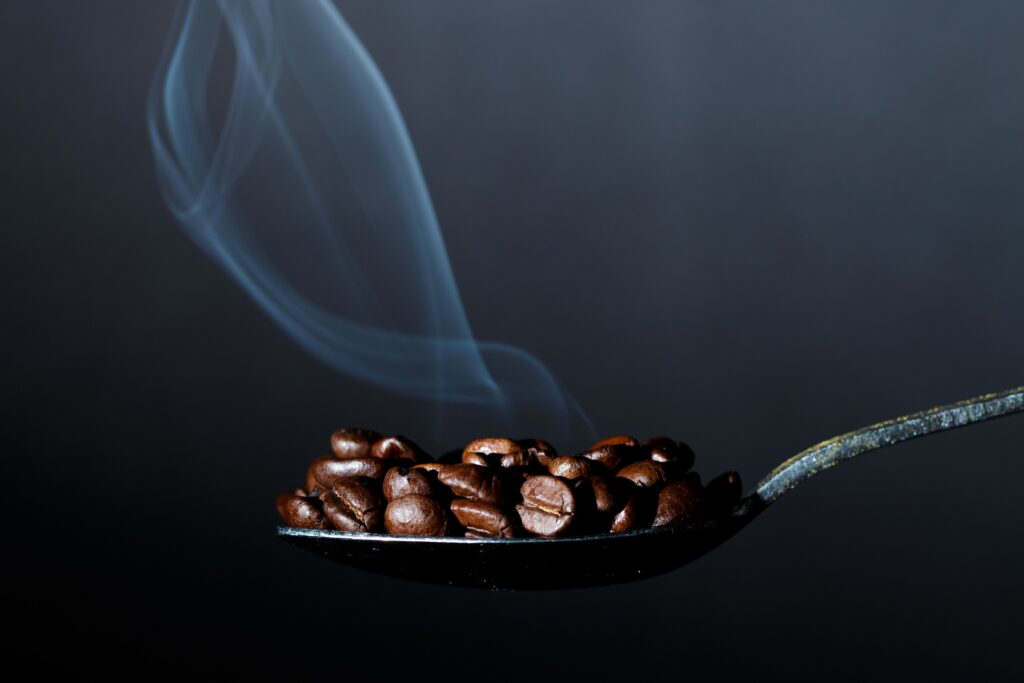
A great cup of coffee is about more than choosing an expensive blend or owning professional brewing equipment. The difference between an ordinary cup and an exceptional one often comes down to freshness, water quality, grind size, brewing temperature, and technique. Even premium coffee beans can taste bitter, sour, or flat when these factors aren’t balanced properly.
Learning how to improve coffee flavor allows us to bring out the natural characteristics of coffee, from chocolatey sweetness and nutty undertones to bright citrus notes and delicate floral aromas. With a few practical adjustments, we can make better coffee at home without significantly increasing our budget or complicating our daily routine. Whether we prefer pour-over coffee, French press, espresso, or a simple drip coffee maker, understanding the fundamentals of extraction helps us achieve a more consistent and enjoyable result.
1. Choose Fresh, High-Quality Coffee Beans
Better-tasting coffee starts with the beans. Coffee flavor is influenced by several factors, including the coffee variety, growing conditions, processing method, roast profile, and freshness. Selecting beans that suit our personal preferences makes it easier to achieve the flavor we want. For example, Arabica coffee is often associated with a wide range of flavors, including fruit, flowers, chocolate, and nuts. Robusta coffee generally offers a stronger, more intense profile, often with pronounced bitterness and a heavier body. Neither is universally better; the right choice depends on whether we prefer a delicate, balanced cup or a bolder, more robust experience.
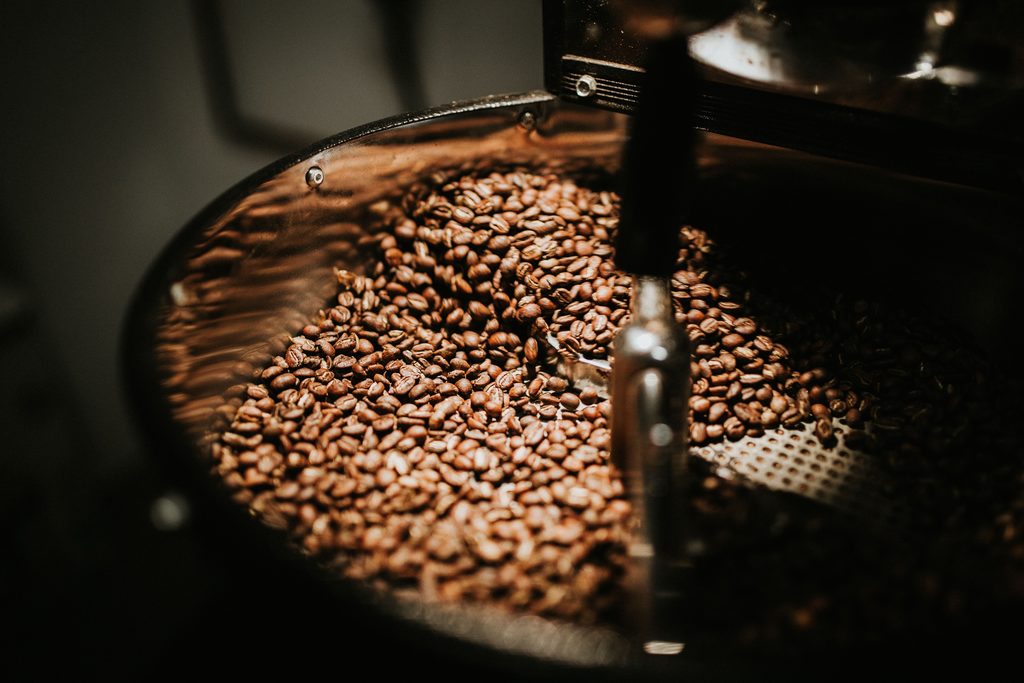
We should also consider roast level. Light roasts can highlight acidity and distinctive origin characteristics, medium roasts often balance sweetness, acidity, and body, while dark roasts tend to produce deeper roasted, smoky, or bittersweet flavors. Freshness matters, too. Whole beans generally retain their aromatic qualities better than pre-ground coffee because grinding increases exposure to oxygen. Check the roast date when possible, buy quantities you can consume while the coffee stays fresh, and store beans in an airtight container away from heat, moisture, and direct sunlight.
2. Grind Coffee Beans Just Before Brewing
Grinding coffee immediately before brewing is one of the simplest ways to improve coffee flavor. Once beans are ground, their larger exposed surface area lets aromatic compounds escape faster. As a result, pre-ground coffee may lose some of the fragrance and complexity that make freshly brewed coffee enjoyable.
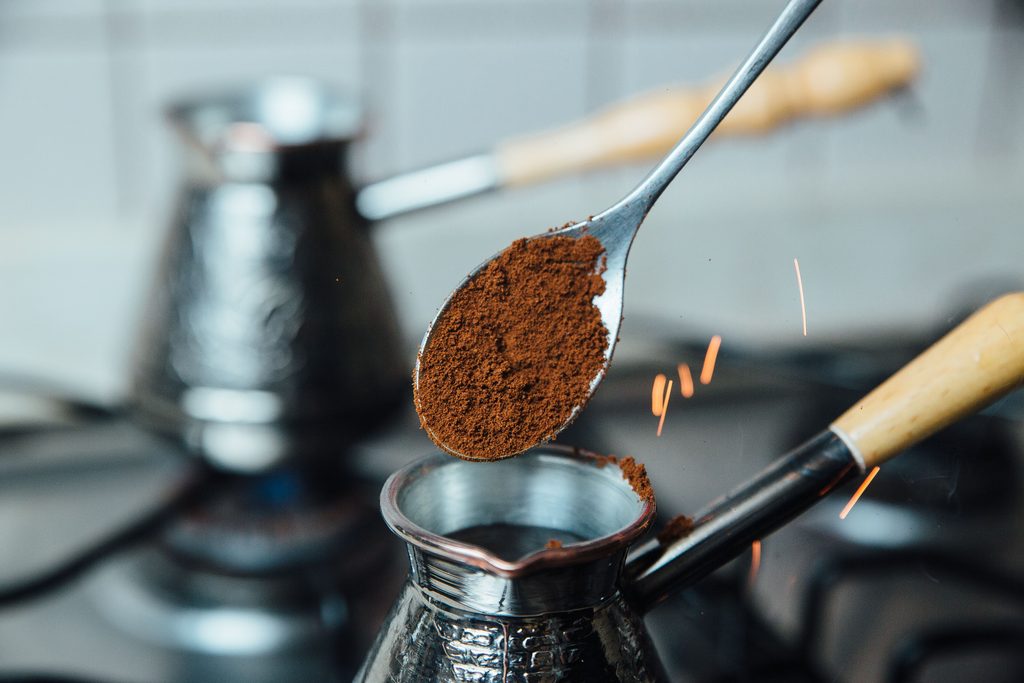
Match the grind size to the brewing method. Coarse grounds generally work well for French press, medium grounds suit many drip coffee makers, and finer grounds are typically required for espresso. Pour-over brewing often benefits from a medium-to-medium-fine grind, depending on the dripper and brewing recipe.
Grind size also influences extraction. If coffee is ground too finely for a particular method, water may extract too much from the grounds or flow too slowly, creating an unpleasantly bitter or harsh cup. Too-coarse grounds may let water pass through too quickly, resulting in weak or sour coffee. A burr grinder is a worthwhile investment for coffee enthusiasts because it produces more consistent particle sizes than many basic blade grinders. More uniform grounds help water extract flavor more evenly, making it easier to repeat a successful recipe.
3. Use the Right Coffee-to-Water Ratio
The amount of coffee used relative to water has a significant effect on flavor. Too little coffee can produce a thin, watery drink, while too much can create an overly concentrated cup that feels heavy or intense. A practical starting point is a coffee-to-water ratio of 1:15 to 1:17. For example, using 20 grams of coffee with 300 grams of water creates a 1:15 ratio. Using the same amount of coffee with 340 grams of water produces approximately a 1:17 ratio.
These are starting points, not strict rules. A stronger cup may benefit from a lower ratio, while someone who prefers a lighter drink may prefer a higher ratio. The brewing method, roast level, and coffee itself will also affect the final result. A digital coffee scale helps us measure ingredients accurately. Measuring by weight is generally more reliable than using tablespoons because different beans and grind sizes occupy different volumes. Once we find a ratio we enjoy, recording it makes it easier to reproduce the same flavor every morning. You can then make small adjustments deliberately instead of relying on guesswork.
4. Control Water Temperature and Quality
Water is one of coffee’s most important ingredients, making up most of the finished beverage. Its temperature and mineral composition can influence how effectively flavor compounds dissolve during brewing. For most manual brewing methods, a starting range of 90–96°C works well. Lighter roasts may benefit from temperatures toward the higher end, while darker roasts can sometimes taste more balanced at slightly lower temperatures.
Water that is too cool may produce an under-extracted cup with sharp acidity or a thin finish. Excessively hot water, especially with an unsuitable grind size or long contact time, can create an overly harsh taste. The ideal temperature depends on the beans and brewing method, so experimentation is valuable.
Water quality matters as well. Strong chlorine odors, excessive mineral content, or unsuitable water chemistry can interfere with the taste of coffee. Filtered water may improve the result when tap water has noticeable odors or an unpleasant flavor. However, completely mineral-free water isn’t necessarily ideal because minerals support extraction. For consistent results, use clean water with a neutral taste and follow the coffee equipment manufacturer’s recommendations for water quality.
5. Adjust Brewing Time and Extraction
Extraction describes how water dissolves soluble compounds from coffee grounds. Balanced extraction is essential because it affects sweetness, acidity, bitterness, and overall body. Under-extracted coffee often tastes sour, sharp, or weak. Over-extracted coffee may taste bitter, dry, or astringent. However, bitterness and sourness can stem from several factors, including bean characteristics and roast level, so consider the whole brewing process before making changes.
If a pour-over tastes sour and finishes too quickly, grinding slightly finer may increase contact between water and coffee. If the result is harsh and the water drains unusually slowly, a slightly coarser grind may help. Changing one variable at a time makes it easier to understand what improves the cup.
Different brewing methods require different approaches. Espresso uses finely ground coffee and relatively short extraction times, while French press relies on immersion, allowing grounds to remain in contact with water for several minutes. Pour-over brewing depends on grind size, pouring technique, water flow, and filter design. Rather than following brewing times blindly, we should use them as guides and evaluate the flavor. A repeatable recipe provides a starting point, but taste remains the most useful indicator of whether adjustments are needed.
6. Keep Coffee Equipment Clean
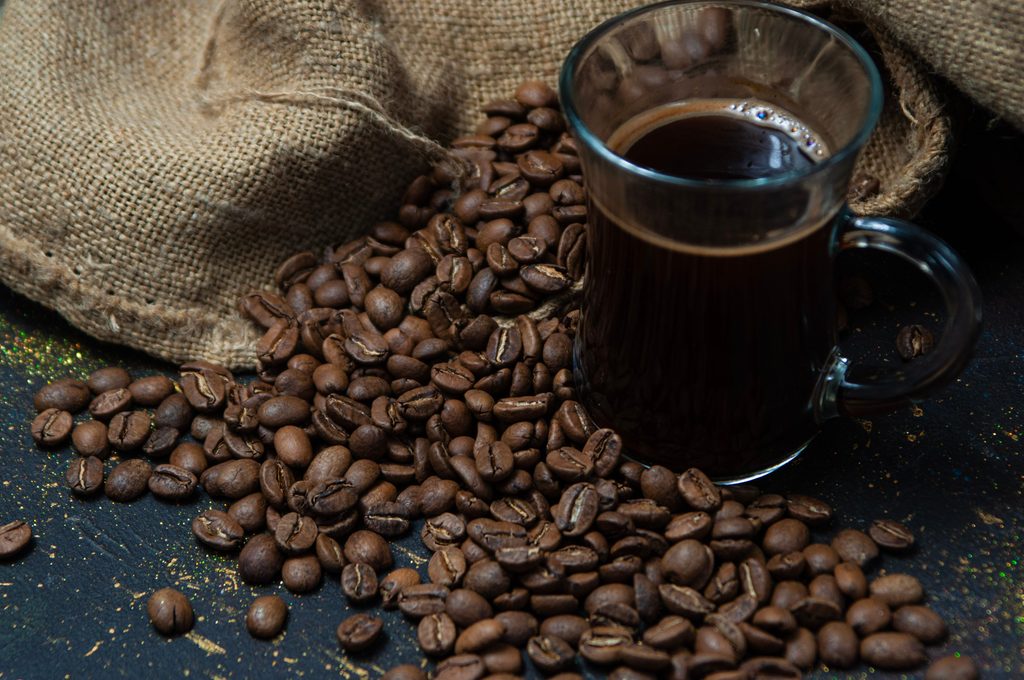
Even excellent beans can produce disappointing coffee when brewing equipment contains old coffee oils and residue. Over time, these deposits can become rancid and introduce stale, greasy, or unpleasant flavors into freshly brewed coffee. Regular cleaning helps preserve the intended taste of each batch. Rinse reusable filters after use, wash French press components thoroughly, clean espresso machine parts according to the manufacturer’s instructions, and descale equipment when necessary.
Grinders also need occasional maintenance because coffee particles and oils can accumulate inside the grinding chamber. Follow the manufacturer’s cleaning instructions, and don’t expose electrical components to water. We should also use clean mugs, carafes, and storage containers. These small details are easy to overlook, but they can influence the final cup, particularly when brewing delicate specialty coffees.
7. Experiment with Brewing Methods and Flavor Preferences
Different brewing methods highlight different aspects of coffee. Exploring these differences can help us discover which preparation style best matches our preferences. Pour-over methods often produce a clean cup that makes subtle flavor notes easier to appreciate. French press coffee typically has a fuller body because its metal filter allows more oils and fine particles into the beverage. Espresso delivers a concentrated drink with intense flavor, while cold brew often produces a smoother-tasting coffee with lower perceived acidity, depending on the beans and preparation.
We can also experiment with roast profiles and origins. A medium-roasted coffee from Brazil may offer chocolate and nut notes, while some Ethiopian coffees feature floral or citrus characteristics. These are common tendencies rather than guarantees, as flavor depends on the specific coffee and processing method. Keeping brief notes about beans, grind size, water temperature, brewing ratio, and taste helps us identify patterns. Over time, this simple habit turns coffee preparation into a more predictable process rather than a daily guessing game.
Conclusion
Improving coffee flavor does not require complicated equipment or advanced barista skills. By choosing fresh beans, grinding immediately before brewing, measuring the coffee-to-water ratio, controlling water temperature, and adjusting extraction, we can make meaningful improvements to our daily coffee. The key is consistency. Start with a reliable recipe, change one variable at a time, and pay attention to how each adjustment affects the taste. With practice, we can develop a brewing routine that brings out the best qualities of our preferred coffee beans.
At GoHustle Coffee, exploring quality coffee beans and practical brewing accessories can help us make better coffee part of our everyday routine. A more satisfying cup begins with understanding the ingredients and techniques behind it—and making small improvements that deliver a noticeable difference.
Coffee Cups and Mugs
304 Stainless Steel Coffee Mug with Lid
38.88Original price was: 38.88.21.88Current price is: 21.88.Coffeeware
Coffee Distributor Espresso Leveler Adjustable Palm Tamper
27.88Original price was: 27.88.15.88Current price is: 15.88.Coffee Cups and Mugs
Double Wall Glass Coffee Mug with Handle
34.88Original price was: 34.88.17.88Current price is: 17.88.Coffee-Making Accessories
EspressoPro Knock Box – Anti-Slip Coffee Grounds Container
28.88Original price was: 28.88.11.88Current price is: 11.88.Coffee Cups and Mugs
Glass Measuring Cup with Wooden Handle
30.88Original price was: 30.88.15.88Current price is: 15.88.Coffee Cups and Mugs
Heat-Resistant Striped Glass Cup
28.88Original price was: 28.88.14.88Current price is: 14.88.Coffee-Making Accessories
MHW-3BOMBER Spring Loaded Espresso Tamper 51/53/58mm
160.88Original price was: 160.88.105.88Current price is: 105.88.Coffee-Making Accessories
MINI USB Rechargeable Milk Frother
23.88Original price was: 23.88.11.88Current price is: 11.88.Coffee-Making Accessories
Portable Disposable Drip Coffee Filter Bags
30.88Original price was: 30.88.15.88Current price is: 15.88.Coffee-Making Accessories
Pour Over Coffee Dripper Set
72.88Original price was: 72.88.43.88Current price is: 43.88.