

General Info
Zero-Waste Coffee Production: Building a Circular Coffee Economy From Farm to Cup
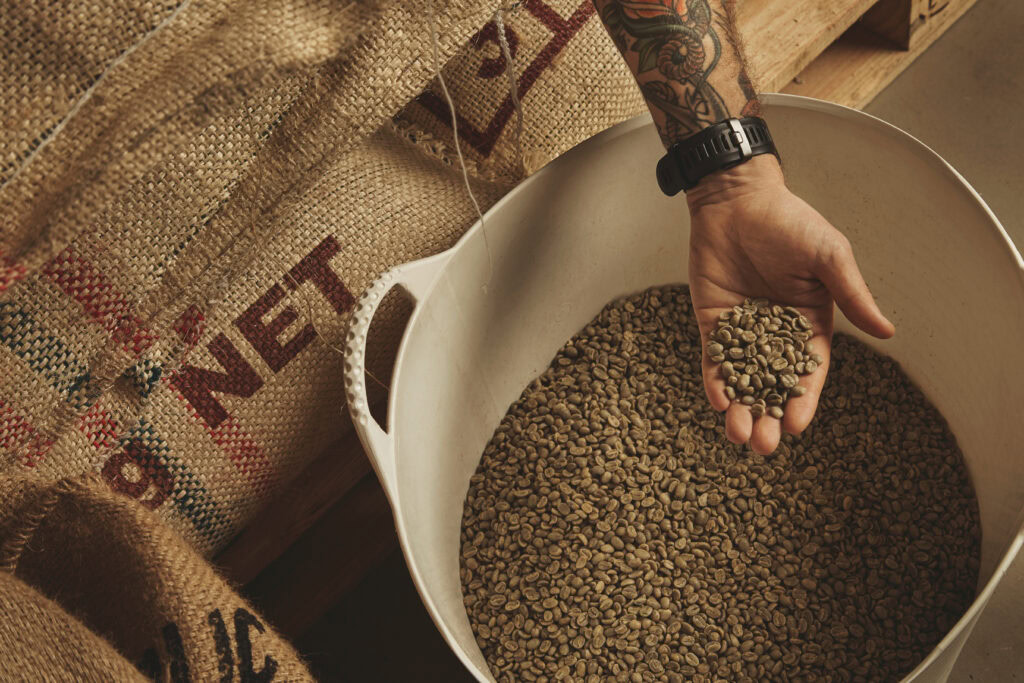
Zero-waste coffee production is rapidly reshaping the global coffee industry. Instead of sending coffee pulp, coffee grounds, and packaging to landfill, we redesign the entire coffee supply chain so that every byproduct becomes a resource. By doing so, we cut Greenhouse Gas emissions, protect landscapes, and create new products and revenue streams that strengthen farmers, roasters, cafés, and local communities. This is the essence of a circular coffee economy: materials flow in closed loops, from coffee cherry to spent coffee grounds, and back into soils, manufacturing, and energy systems.
We now see zero-waste principles influencing everything from small specialty roasters in the misty mountains of Thai arabica coffee regions to large corporations such as Nestlé Asia, Oceania, and Africa. Governments and partners, including Ministries of Agriculture and Environment, National Plastic Action Partnerships, and South-South Cooperation platforms, are increasingly aligning agricultural practices with Net Zero and zero-emission targets. When we connect these efforts with local projects, RPa Coalitions, Responsible Cafés, and standards set by organizations such as the Zero Waste International Alliance and California’s Resource Recovery Association, we start to build a coherent zero-waste vision for coffee that runs from farm to cup.
Understanding Waste Streams in the Coffee Supply Chain
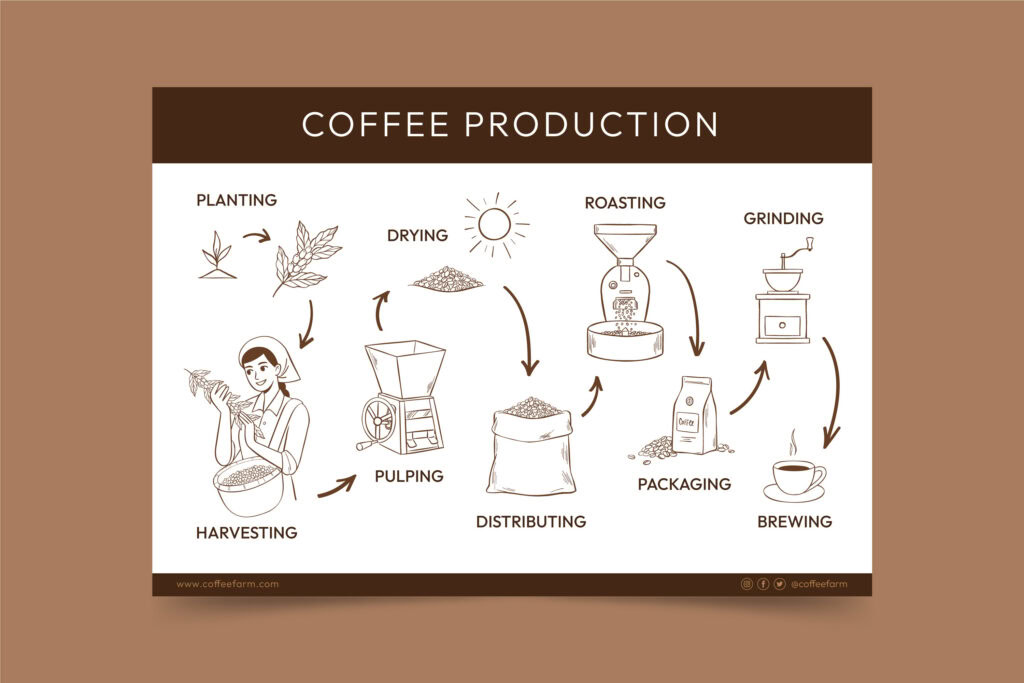
To advance Zero Waste Coffee, we first map the main waste streams across the coffee supply chain. At the farm and coffee processing plant level, the key byproducts are coffee pulp, mucilage, parchment, and wastewater from wet processing. Historically, these agricultural wastes formed “pulp mountain” piles that decomposed and polluted waterways. In a circular economy approach, we treat pulp, mucilage concentrate, and coffee cherry husk as feedstock for compost, animal feed, bioenergy, or upcycled ingredients such as cascara brewed as tea or cascara energy drink concepts.
At the stage of green coffee export and roasting, we encounter coffee husk, silver skin, defective coffee beans, packaging waste, and exhaust emissions from roasting equipment. In the café and household stages, we see spent coffee grounds, single-use cup waste, Coffee Capsule system waste, plastic lids, and bags. Effective waste management in a zero-waste roastery or café means separating these flows, routing them to recycling facilities, composting, or biogas units, and developing product lines that transform residues into economic opportunities rather than disposal costs.
Circular Economy and Blue Economy Principles in Coffee
Zero-waste coffee production sits at the intersection of Circular Economy and Blue Economy thinking. The circular model focuses on keeping materials at their highest value through reuse, recycling, repair, and upcycling. The Blue Economy extends this mindset by asking how we can design coffee systems that are regenerative, inspired by ecosystems, and locally anchored. This is where Local Projects, such as community composting hubs, cascara-based beverages, and intercropping systems, become practical demonstrations of theory.
Many organizations use a Theory of Change to guide their zero-waste coffee strategy. In this framework, we start from clear outcomes such as reducing Greenhouse Gas emissions, cutting single-use cup waste, and increasing the share of recyclable and biodegradable packaging. We then map the activities and partnerships needed to achieve those outcomes, such as supporting Responsible Cafés programs, working with Zero Waste Bakes or other upcycling ventures, and engaging with policy initiatives at the European Union level and in emerging producer countries such as Viet Nam. When we align investments, for example, through vehicles like the Kirin Health Innovation Fund or impact-oriented capital, with a robust Theory of Change, we can scale up promising models from pilot projects to entire regions.
From Coffee Cherry to Green Coffee: Zero-Waste Practices on Farms
On farms and at wet mills, zero waste starts with the coffee cherry itself. After harvesting, the outer skin and pulp can be processed into cascara, a dried product that can later be brewed into tea or turned into syrups, concentrates, or even functional foods that capture the antioxidant potential of the naturally occurring chlorogenic acid in coffee fruit. If markets and regulations permit, cascara energy drink prototypes can blend coffee cherry extracts with plant proteins such as pea protein to create novel, plant-based beverages that reflect a truly circular coffee chain.
What cannot be safely consumed can feed soil and energy systems. Composting coffee pulp, mucilage, and other agricultural waste returns organic matter and nutrients to the fields, improving soil structure and water retention. Integrated agricultural practices, such as intercropping bananas with coffee in the misty mountains of Viet Nam and northern Thailand, help shade coffee trees, diversify farmers’ incomes, and provide additional biomass for composting. When these systems are supported by Ministries of Agriculture and Environment and embedded in South-South Cooperation programs, they become scalable models of sustainable coffee production rather than isolated experiments.
Zero Waste Roastery and Café: From Grounds to Reusable Cups
Once green coffee reaches the roastery, the focus shifts to energy efficiency, emission control, and material flows. A zero-waste roastery prioritizes efficient burners, heat recovery systems that limit exhaust emissions, and careful monitoring using color-measurement technology to ensure consistent roasting with minimal rejected batches. Chaff and silver skin can be supplied to partners such as Funghi Espresso and other bio-material innovators who grow mushrooms, create bio-based composites, or develop soil amendments from coffee byproducts.
At the café level, Zero Waste Coffee becomes visible to customers through reusable cups, deposit-return schemes, and clear communication about the impacts of single-use cup waste. Cafés engaged with networks like Responsible Cafés and supported by local zero-waste coalitions demonstrate how small everyday choices can reshape entire systems. Cat & Cow Coffee, Chao Thai Pu Kao Coffee, and community-focused venues at institutions such as Payap University showcase how spent coffee grounds can be collected for compost, biogas, or upcycled ingredients in bakery products, cosmetics, and urban agriculture, often in partnership with social enterprises similar to Zero Waste Bakes.
Upcycling Spent Coffee Grounds and Coffee Pulp Into High-Value Products
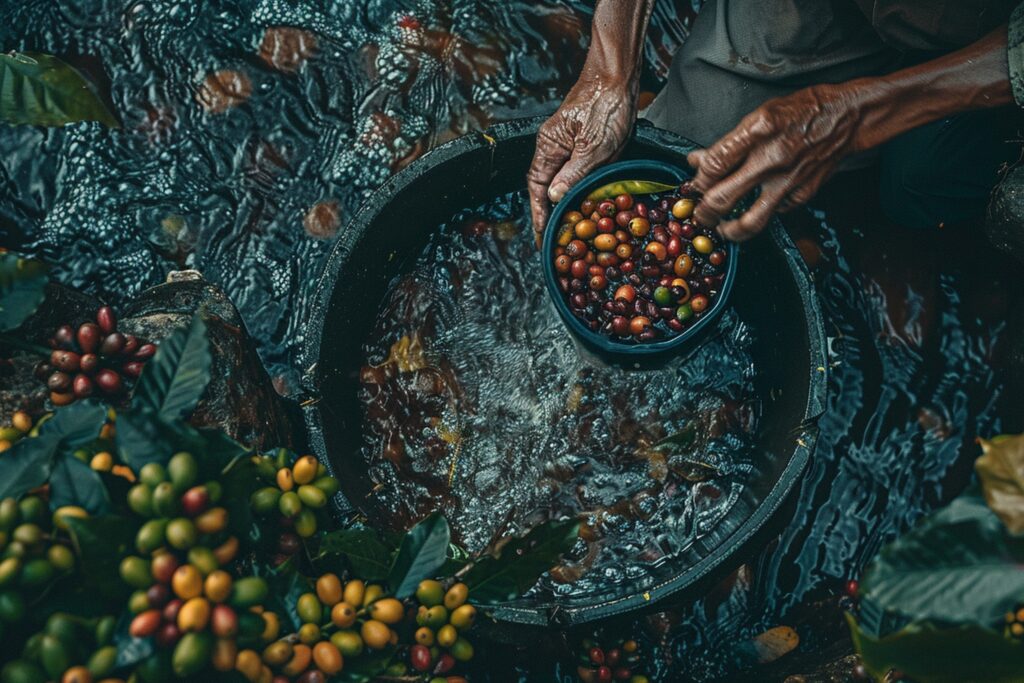
The upcycling of spent coffee grounds is one of the most powerful tools in the Zero-Waste Coffee Project toolbox. Rather than discarding them, we can use spent coffee grounds as a substrate for mushrooms, as a component in biofuels and briquettes, or as exfoliants in personal care products. Ventures like Funghi Espresso illustrate how local entrepreneurs can turn what appears to be waste into high-value food products while educating communities about the circular coffee economy.
Coffee pulp and mucilage concentrate can support additional innovation. Companies in food and biotech, such as Neutral Foods, BioTech Foods, or similar players, explore how to extract functional compounds, including chlorogenic acid or dietary fibers, for use in fortified foods, supplements, and plant-based formulations. R&D collaborations sometimes lead to PCT patent application filings that protect novel extraction methods or ingredient systems. When these solutions are licensed back into producer regions, they create technology transfer pathways aligned with South-South Cooperation and inclusive growth.
Packaging, Plastics, and Policy: Enabling Infrastructure for Zero Waste Coffee
Even the best on-farm and café-level initiatives will fall short without appropriate packaging and policy frameworks. Coffee brands working toward Net Zero and zero-emission practices increasingly adopt recyclable and biodegradable packaging, as well as recycled-plastic components combined with water-based inks, to reduce toxicity and improve recyclability. When these materials are compatible with existing recycling facilities and clearly labeled, recovery rates increase, and less packaging ends up as pollution.
Policy environments matter. European Union policy on packaging waste, national zero-waste strategies, and partnerships like the National Plastic Action Partnership in Viet Nam create enabling conditions for companies to move beyond minimal compliance. Coalitions spanning the coffee industry, consumer brands, and municipal authorities can set joint targets for single-use cup waste reduction, Coffee Capsule system recovery, and compostable item management. In many cases, these alliances publish press releases and reports that increase transparency and help support teams across the value chain align their operational decisions with overarching zero-waste vision commitments.
Innovation, Investment, and Knowledge Networks in Zero Waste Coffee
The emerging zero-waste coffee ecosystem is also powered by innovation, investment, and learning networks. Ventures supported by funds such as the Kirin Health Innovation Fund, as well as partnerships with universities and research institutes, test new product development ideas ranging from cascara energy drink formulations to coffee-based meat analogs enriched with pea protein. Color-measurement technology, advanced roasting analytics, and even digital tools that track emissions by location, batch, or IP Address empower operators to manage their performance with greater precision.
Historically, pioneers like Paul Palmer, an early advocate of total resource recovery, influenced today’s zero waste movement by arguing that waste is a design flaw, not an inevitability. That philosophy now informs alliances such as the Zero Waste International Alliance and regional groups like California’s Resource Recovery Association, which share methodologies, host conferences, and certify organizations against rigorous zero waste criteria. In the coffee context, these frameworks help companies like Happy Goat, Cat & Cow Coffee, and many specialty roasters articulate their own zero-waste vision and communicate progress through clear metrics, case studies, and press releases.
Governance, Transparency, and Support Systems
Robust governance is crucial for credibility. Organizations implementing Zero Waste Coffee projects often establish internal support teams and reference number systems to track incidents, customer feedback, and supply chain anomalies. These structures ensure that issues in the coffee chain, such as contamination events, packaging failures, or transport-related spills, are documented and resolved in line with both company standards and external guidelines.
Transparent communication further reinforces trust. When brands publish Theory of Change diagrams, life-cycle assessments, and project evaluations, they show how interventions at farm, roastery, café, and policy levels combine to deliver climate, biodiversity, and social outcomes. Regular updates through press releases, coalition meetings, and Local Projects showcases help stakeholders understand where the circular coffee economy is succeeding and where additional investment or collaboration is needed.
Summary: Toward a Truly Zero-Waste Coffee Future
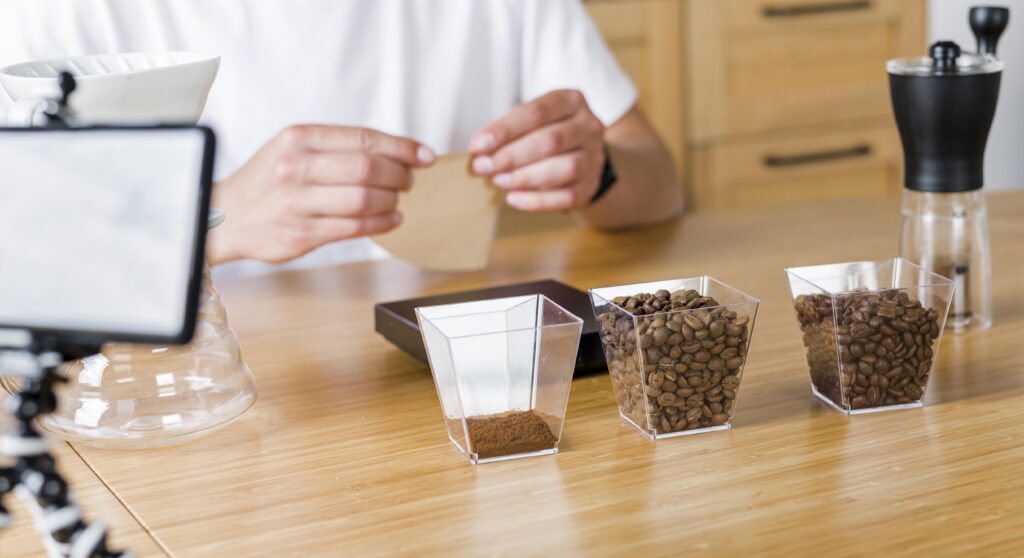
Zero-waste coffee production is no longer a niche concept; it is becoming a strategic imperative for the global coffee industry. By treating coffee pulp, mucilage, coffee grounds, packaging, and energy flows as resources, we align the coffee supply chain with Circular Economy and Blue Economy principles. From intercropped Thai arabica coffee farms in misty mountains and innovative roasteries to Responsible Cafés and recycling facilities, every actor has a role in turning waste into value.
When we combine supportive policy, committed companies, engaged consumers, and knowledge networks, we can build a circular coffee economy that cuts Greenhouse Gas emissions, reduces single-use cup waste, and unlocks new categories such as upcycled cascara beverages and functional ingredients. In doing so, we move the coffee chain closer to Net Zero and demonstrate how a familiar daily ritual can contribute to a regenerative, zero-emission, and zero-waste future.
Coffee Cups and Mugs
304 Stainless Steel Coffee Mug with Lid
37.88Original price was: 37.88.21.88Current price is: 21.88.Coffeeware
Coffee Distributor Espresso Leveler Adjustable Palm Tamper
26.88Original price was: 26.88.14.88Current price is: 14.88.Coffee-Making Accessories
EspressoPro Knock Box – Anti-Slip Coffee Grounds Container
27.88Original price was: 27.88.11.88Current price is: 11.88.Coffee Cups and Mugs
Glass Measuring Cup with Wooden Handle
28.88Original price was: 28.88.11.88Current price is: 11.88.Coffee Cups and Mugs
Heat-Resistant Striped Glass Cup
28.88Original price was: 28.88.14.88Current price is: 14.88.Coffee-Making Accessories
MHW-3BOMBER Spring Loaded Espresso Tamper 51/53/58mm
152.88Original price was: 152.88.100.88Current price is: 100.88.Coffee-Making Accessories
MINI USB Rechargeable Milk Frother
23.88Original price was: 23.88.11.88Current price is: 11.88.Coffee-Making Accessories
Portable Disposable Drip Coffee Filter Bags
30.88Original price was: 30.88.15.88Current price is: 15.88.Coffee-Making Accessories
Pour Over Coffee Dripper Set
70.88Original price was: 70.88.42.88Current price is: 42.88.Coffee-Making Accessories
Precision Coffee Grounds Distribution Tool with Wood Grip
28.88Original price was: 28.88.11.88Current price is: 11.88.