

Uncategorized
Single-Origin Coffee Bean Storage For Maximum Freshness

Single-origin coffee sits at the heart of the specialty market. Whether we are brewing Guatemalan beans, Colombian coffee, or a carefully curated specialty blend, the way we handle coffee storage strongly affects what ends up in the cup. Fresh roasted coffee beans carry volatile aromatics that define their origin, processing, and roasting style. Without proper storage techniques and the right storage solution, even the finest single-origin coffees taste flat and tired long before the bag is finished. When we talk about single-origin beans, we are not just protecting a product; we are protecting a story from farm to cup.
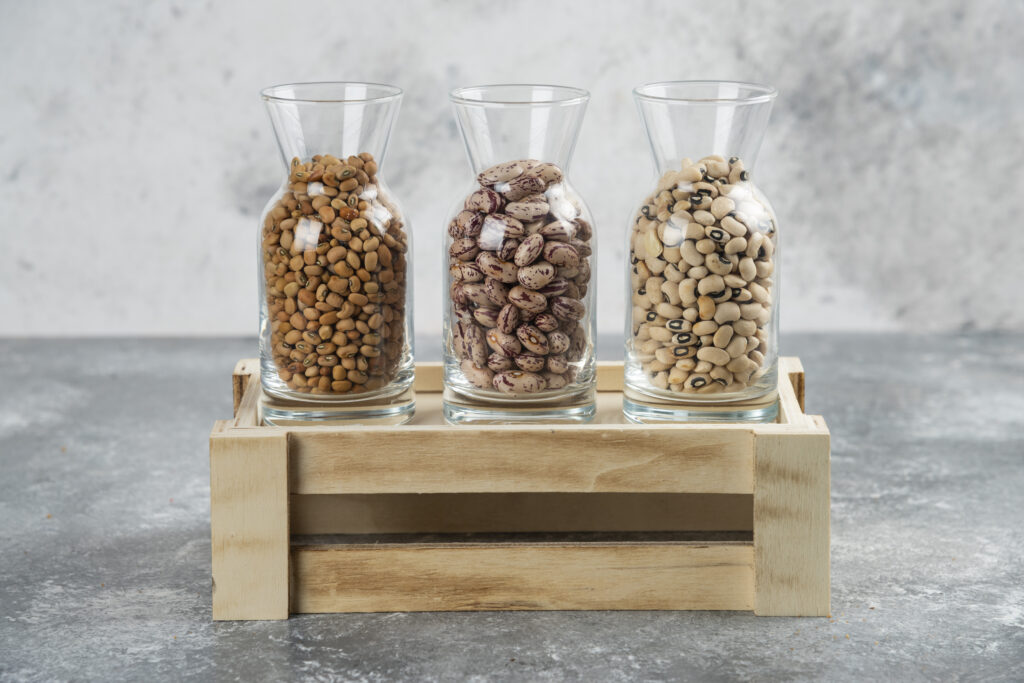
Why Coffee Storage Matters For Roasted Coffee And Single-Origin Beans
Roasted coffee is chemically fragile. Once coffee roasting is complete, the beans begin to degas, slowly releasing carbon dioxide. During this process, oxygen starts to seep in and react with the oils and aromatic compounds that give single-origin coffees their identity. In Singapore’s warm climate and other hot regions, such as parts of Peninsula Malaysia, poor coffee storage can accelerate these reactions. UV rays, heat sources in the kitchen, and humid air all combine to dull acidity, erase florals, and flatten sweetness.
From the perspective of coffee enthusiasts and any coffee lover investing in specialty beans, this means that the roast date on the bag is merely the starting point. What really determines flavour is how we manage exposure to oxygen, temperature, and light after that date. Coffee grounds and ground coffee are even more vulnerable than whole beans, because grinding dramatically increases their surface area. This is why, for serious single-origin coffees and for brands such as Yasumi Coffee, Seven Sisters Coffee Co, Sugar Creek Coffee, or similar roasters, the conversation always returns to storage location and storage tools.
Understanding The Enemies Of Fresh Beans
Oxygen And Oxidation
Oxygen is the main cause of staling in fresh beans. When roasted coffee comes into contact with air, oxidation breaks down oils and aromatics. In practical terms, this translates into stale, papery notes instead of vibrant single-origin character. Vacuum containers, vacuum canisters, airlock cannisters, and displacement containers are all attempts to control the amount of oxygen that remains in contact with the beans.
Heat, Light, And UV Rays
Heat sources such as ovens, hobs, and even high-powered appliances raise the temperature of the surrounding air. Warmer temperatures speed up every chemical reaction that damages roasted coffee. UV rays and bright light cause further degradation, especially in transparent containers. A glass airlock cannister placed on a sunny countertop might look stylish, but it works directly against the goal of long-term coffee freshness.
Humidity And Condensation
In tropical conditions, humidity becomes a hidden enemy. If warm, moist air enters a container and then cools, condensation may form on the beans or the container walls. Even small amounts of moisture upset extraction, leading to musty, muted flavours. This is why proper coffee storage solutions, especially those used in single-dose storage tubes or vacuum-sealed containers, emphasize strong seals and stable conditions.
Time And Degassing
From the moment of roasting, time is always in play. Freshly roasted coffee requires a short rest to allow degassing, but as days and weeks pass, the same process slowly robs single-origin coffees of their brightest notes. A one-way valve or one-way degassing valve built into modern coffee bags is crucial because it allows CO2 to escape while limiting oxygen entry. This is the core concept behind any CO2 valve or degassing valve, letting gases out without inviting air in.
Airtight Containers And Vacuum-Sealed Containers For Coffee Beans
Choosing Airtight Containers And Coffee Canisters
For most households, high-quality airtight containers and coffee canisters form the base of an effective coffee storage strategy. A good coffee canister should seal tightly, protecting whole beans from oxygen, humidity, and light. Some brands integrate a patented plunger lid or airlock mechanism that displaces air as the lid is pressed down. Others rely on strong silicone gaskets that create a firm seal when the lid is closed. Glass airlock cannisters are attractive, but they must be kept away from UV rays and heat sources, ideally in a closed cupboard.
Vacuum Canisters, Vacuum Sealing, And Displacement Containers
For more advanced coffee enthusiasts, vacuum canisters and vacuum-sealed containers go a step further. Using a vacuum pump, these systems remove air from the container, lowering oxygen levels around the beans. Some designs use shrinking chambers or displacement containers that physically reduce the internal volume to match the amount of coffee, further cutting headspace air. When used correctly, these vacuum containers help keep beans at their peak for longer, especially when we open and close the container daily.
Single-Dose Storage Tubes And Coffee Bean Storage Tubes
Single-dose storage tubes, sometimes marketed as Coffee Bean Storage Tubes, offer a refined approach for those seeking absolute consistency. We divide single-origin coffees into small portions, each enough for a single brew or shot. These tubes or small glass airlock cannisters are then sealed, sometimes with nitrogen flushing or vacuum sealing, so each dose is exposed to air only once. For a café running a barista competition programme, or for a serious home coffee lover with multiple brewing styles and brewing methods, single-dose storage tubes offer precise control over freshness.
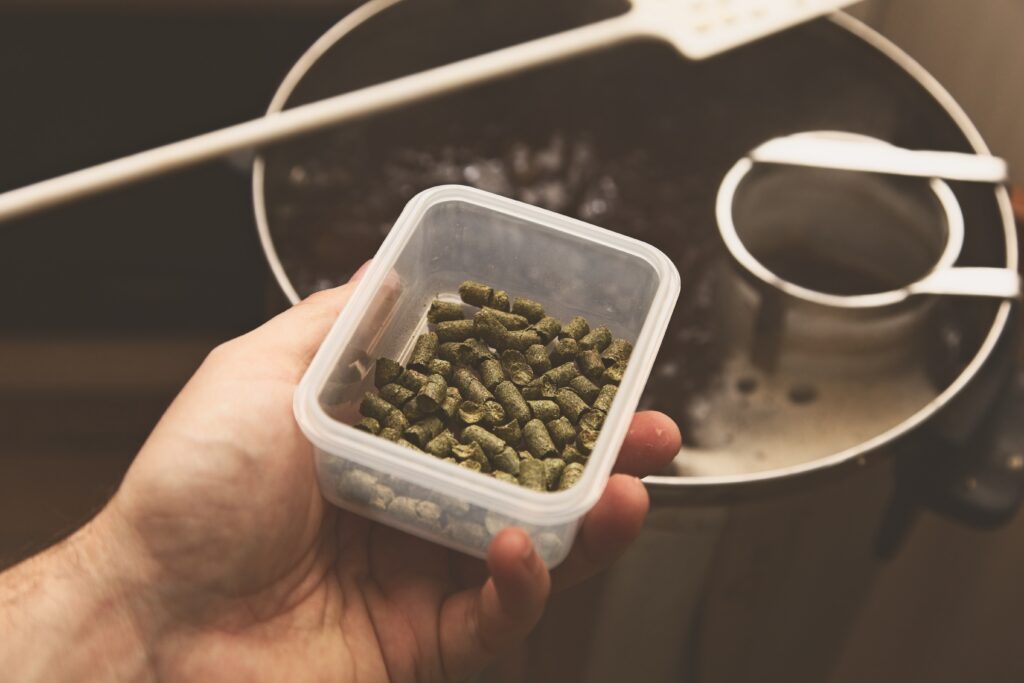
How Coffee Bags, One-Way Valves, And Nitrogen Flushing Work
One-Way Valve And One-Way Degassing Valve Technology
Modern coffee bags for specialty beans often feature a one-way valve, also called a degassing valve. This small component allows CO2 to escape during the initial degassing phase, which protects the bag from swelling or bursting. At the same time, it slows the entry of oxygen. For many coffee storage scenarios, simply keeping coffee in its original nitrogen-flushed, one-way-valve bag and squeezing out excess air before sealing is an effective storage solution.
Nitrogen Flushing And CO2 Valve Systems
Some roasters, including those operating in competitive markets such as UK households or across Peninsula Malaysia, use nitrogen flushing to extend shelf life. By flushing bags with inert gas before sealing, they displace oxygen, creating a low-oxygen environment around freshly roasted coffee beans. Combined with a CO2 valve, this approach keeps roasted coffee stable for longer, especially for retail channels where the bag might sit before reaching the consumer.
Using Original Coffee Bags As Part Of A Storage Strategy
For many coffee enthusiasts, the simplest and most reliable method is to use the original bag from trusted roasters such as Yasumi Coffee, Seven Sisters Coffee Co., Sugar Creek Coffee, or similar specialty brands. We check the roast date carefully, keep the bag sealed between uses, and store it in a cool, dark cupboard away from heat sources. When paired with a sensible purchase cycle and, if needed, additional vacuum canisters or displacement containers, this method balances practicality with quality.
Whole Beans Versus Ground Coffee In Coffee Storage
Why Whole Beans Age Better Than Coffee Grounds
Whole beans always outperform ground coffee in storage. Once we grind coffee, we turn each bean into thousands of tiny particles, exposing far more surface area to oxygen. This is why coffee grounds lose aroma and sweetness so quickly, sometimes in a matter of hours. For single-origin coffee, where we value clarity and distinct flavours, storing whole beans in airtight containers is essential. Ground coffee is best viewed as a short-lived intermediary between the container and the brewing method.
Practical Approach To Grinding And Bean-To-Cup Brewing
For home users and cafés alike, the ideal routine is to keep beans intact until just before brewing. Whether we are using a pour-over brewing style, espresso, French press, or a bean-to-cup machine, grinding on demand protects flavour. In Singapore and in specialty-focused markets such as the UK, many households have adopted this model, combining high-quality grinders with thoughtful coffee storage tools. The result is that even coffee opened a couple of weeks after the roast date can still taste vivid and sweet, as long as it has been protected from air and heat.
Freezing, Single-Dose Storage, And Long-Term Coffee Storage
When To Consider Freezing Fresh Roasted Coffee Beans
Freezing becomes relevant for coffee enthusiasts who buy multiple bags at once or who invest in rare single-origin coffees. If we secure a micro-lot from Yasumi Coffee or an exclusive batch from Seven Sisters Coffee Co., we may not want to rush through it. Instead, we can divide the bag into smaller portions, place each portion into single-dose storage tubes, vacuum containers, or well-sealed airlock cannisters, and freeze them to preserve peak freshness.
Best Practices For Freezing And Thawing
For best results, we freeze whole beans, not ground coffee. Each portion should be sealed as tightly as possible, using vacuum sealing, displacement containers, or airlock systems to minimize oxygen. Once frozen, we try to avoid repeated temperature swings. We either grind directly from frozen if our grinder can handle it, or we let the sealed container reach room temperature before opening so that any condensation forms on the outside, not on the beans. This method is often used by advanced coffee-lover communities and professionals because it allows consistent flavour even months after the roast date.
Practical Coffee Storage Techniques For Home And Café
Setting Up An Effective Storage Location
The best storage location is cool, dark, and dry. In Singapore homes or cafés operating in hot climates, we prefer an internal cupboard, away from ovens, windows, and dishwashers. We place our airtight containers, vacuum canisters, or glass airlock cannisters inside this cupboard, ensuring they are not exposed to UV rays or sudden bursts of heat. For higher-value single-origin coffees, we may keep only a small working quantity at room temperature while the rest sits frozen in well-labelled single-dose storage tubes.
Aligning Purchasing Habits With Storage Capacity
Good coffee storage also depends on how we buy coffee. Instead of filling up a digital Your Cart with many kilos of beans just because there is a NEW YEAR SALE or Free Shipping promotion, we plan realistically. For example, we buy enough fresh beans to last two to four weeks at room temperature and freeze anything beyond that in vacuum-sealed containers. This approach respects both our budget and the coffee. Whether we are buying from local roasters or ordering Guatemalan beans and Colombian coffee online, we track roast date and match our order size to our brewing method and brewing style.
Handling Online Security And Ordering Environments
As we browse specialty roasters’ websites, we may see technical messages about security service providers, security solution platforms, or online attacks. Mentions of things like SQL injection, malformed data, or messages from providers such as Cloudflare Ray ID are reminders that site owners protect our data as we log in, sign up, and view cart details, such as RM 0 for shipping or items added to your cart. While these do not affect coffee storage directly, they underscore the importance of choosing reputable roasters who take data security and product freshness seriously.
From Discovery To Daily Routine For Coffee Enthusiasts
In the modern specialty market, coffee storage has become part of the product offering itself. Many roasters now sell coffee storage tools such as glass airlock cannisters, vacuum pump systems, and Coffee Bean Storage Tubes alongside their beans. Brands highlight patented plunger lid designs, shrinking chambers, and nitrogen flushing as part of their story. This gives coffee enthusiasts more options than ever to protect single-origin coffees from roast date to final pour.
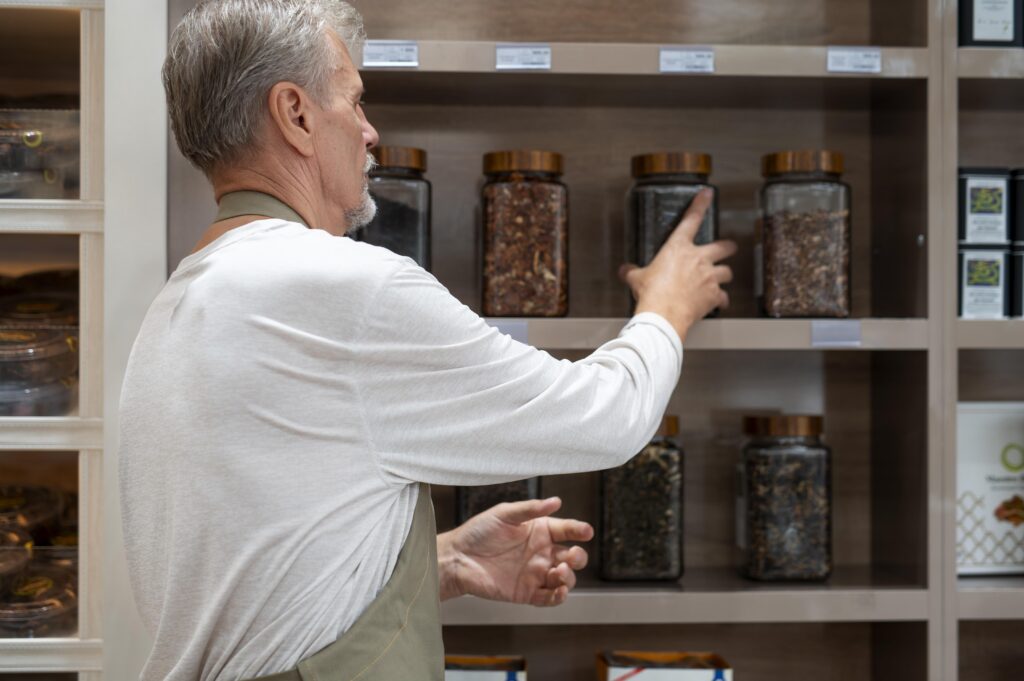
Summary: Protecting Single-Origin Coffee With Smart Storage Solutions
Effective single-origin coffee storage is built on a few consistent principles. We protect fresh-roasted coffee beans from oxygen, heat, UV rays, and humidity by using airtight containers, vacuum-sealed containers, airlock cannisters, or well-designed coffee canisters with one-way or CO2 valves. We store whole beans rather than coffee grounds, grind only what we need, and use single-dose storage tubes or freezing when we want to extend the life of rare lots. By aligning our purchasing habits, storage location, and brewing method, we ensure that every cup of single-origin coffee, whether from Yasumi Coffee, Seven Sisters Coffee Co., Sugar Creek Coffee, or any other roaster, reflects its true origin rather than the effects of time and neglect.
Coffee Cups and Mugs
304 Stainless Steel Coffee Mug with Lid
37.88Original price was: 37.88.21.88Current price is: 21.88.Coffeeware
Coffee Distributor Espresso Leveler Adjustable Palm Tamper
27.88Original price was: 27.88.15.88Current price is: 15.88.Coffee Cups and Mugs
Double Wall Glass Coffee Mug with Handle
Coffee-Making Accessories
EspressoPro Knock Box – Anti-Slip Coffee Grounds Container
28.88Original price was: 28.88.11.88Current price is: 11.88.Coffee Cups and Mugs
Glass Measuring Cup with Wooden Handle
28.88Original price was: 28.88.11.88Current price is: 11.88.Coffee Cups and Mugs
Heat-Resistant Striped Glass Cup
28.88Original price was: 28.88.14.88Current price is: 14.88.Coffee-Making Accessories
MHW-3BOMBER Spring Loaded Espresso Tamper 51/53/58mm
160.88Original price was: 160.88.105.88Current price is: 105.88.Coffee-Making Accessories
MINI USB Rechargeable Milk Frother
23.88Original price was: 23.88.11.88Current price is: 11.88.Coffee-Making Accessories
Portable Disposable Drip Coffee Filter Bags
30.88Original price was: 30.88.15.88Current price is: 15.88.Coffee-Making Accessories
Pour Over Coffee Dripper Set
73.88Original price was: 73.88.44.88Current price is: 44.88.