

Coffee Guides, General Info
Organic Coffee Beans for Everyday Drinking: A Complete Guide to Healthier Daily Rituals

For millions of households, the aroma of freshly brewed organic coffee marks the true beginning of the day. When we choose organic coffee beans for our daily coffee ritual, we transform a routine habit into a conscious investment in personal well-being and environmental stewardship. Unlike conventional alternatives, usda certified organic standards prohibit synthetic pesticides, herbicides, and genetically modified organisms, ensuring that every sip meets rigorous criteria from soil to cup. For the devoted coffee enthusiast, this choice is not merely about caffeine; it is about embracing sustainably sourced, shade-grown coffee that respects the ecosystems where coffee is cultivated. We recognize that regenerative farming practices actively restore soil carbon and biodiversity, replacing extraction with renewal. Through thoughtful home brewing, we build a more intimate connection with the origins of our morning cup.
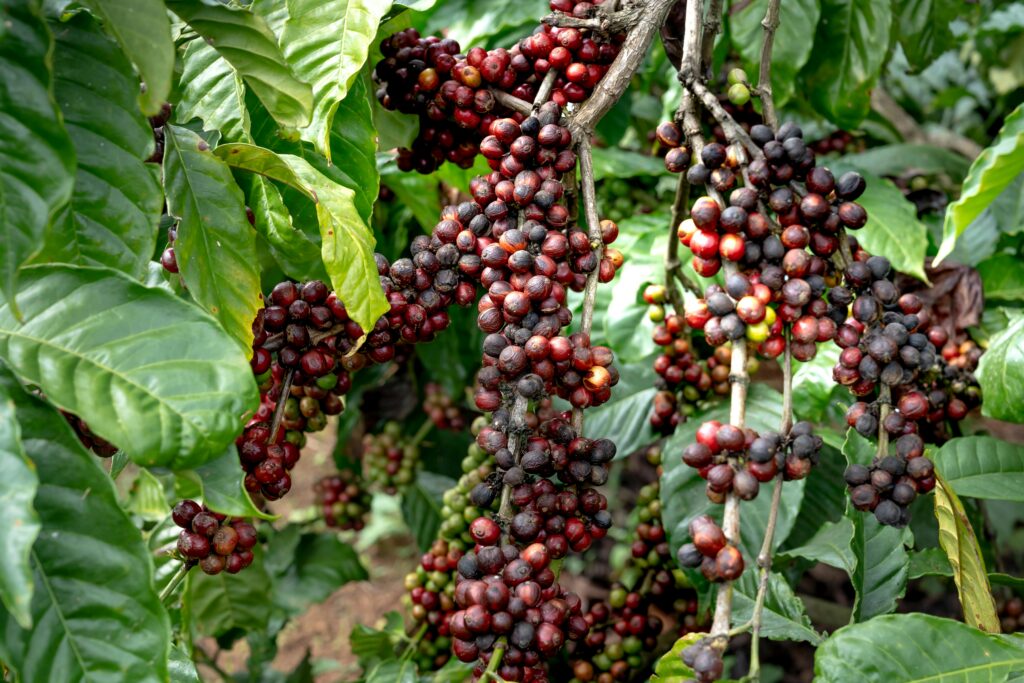
The distinction between organic and conventional coffee extends far beyond marketing labels. Organic farms rely on natural pest management, composting, and shade-grown cultivation techniques that preserve long-term soil integrity. Conventional operations often deploy synthetic fertilizers and fungicides to maximize yield, leaving residual chemicals that can survive the roasting process. We find that arabica varieties thrive under biodiverse canopy cover, which slows cherry maturation and promotes the development of complex natural sugars. This agricultural patience results in denser coffee beans with more nuanced flavor notes and robust bioactive compounds that distinguish a truly organic flavor from mass-produced alternatives. While conventional farming prioritizes volume, organic methods emphasize botanical purity—a distinction that becomes especially relevant when we consume organic coffee daily over decades. Reputable coffee brands increasingly submit their lots to rigorous third-party testing to verify that purity.
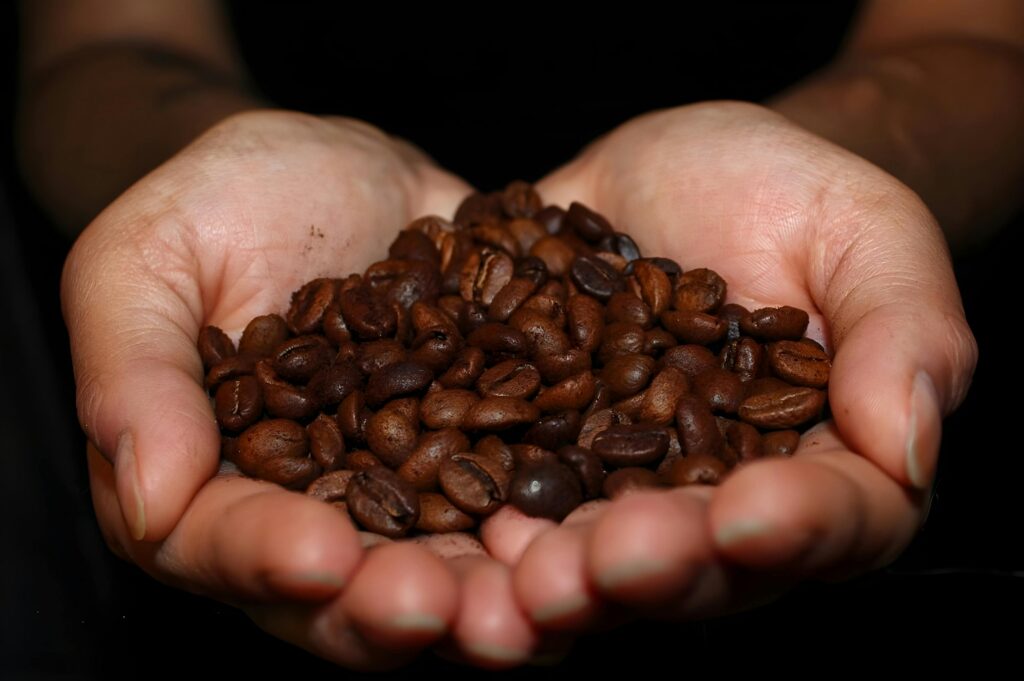
When we integrate organic coffee beans into our routines, we substantially reduce cumulative exposure to agrichemical residues. Research indicates that certain synthetic pesticides used in conventional production can persist at trace levels during roasting. Although regulatory bodies establish maximum residue limits, daily ingestion creates a low-grade chronic exposure that USDA-certified organic cultivation eliminates entirely. Furthermore, organic processing typically avoids chemical decaffeination solvents, favoring water-based Swiss Water or carbon dioxide methods. Current good manufacturing practice protocols at responsible roasteries ensure that handling remains hygienic from harvest to sealed bag. We also note that organically farmed soils often yield higher concentrations of beneficial chlorogenic acids, potent antioxidants linked to metabolic health.
A growing number of consumers have begun exploring mushroom coffee, which incorporates functional mushroom powders into the roast. These blends typically rely on mushroom extract derived from the mushroom fruiting body rather than mycelium, offering adaptogenic support alongside traditional caffeine. Proponents suggest benefits for brain health and immune function, though we recommend viewing them as complementary to, rather than replacements for, a balanced diet. For those who prefer an unadulterated morning cup yet still desire fungal nutrition, mushroom supplements are available as mushroom capsules or mushroom hot cocoa. Reputable mushroom coffee brands distinguish themselves through transparent sourcing of functional mushrooms and independent lab verification.
Another concern involves mycotoxins. Ochratoxin A and aflatoxin B1 are fungal metabolites that can contaminate green coffee stored in humid conditions. Certified organic handling combined with moisture-controlled warehousing and roasting temperatures significantly mitigates these risks, though conscientious consumers should seek roasters that publish third-party testing results specifically screening for ochratoxin A and aflatoxin B1.
Beyond health implications, organic certification frequently correlates with superior cupping scores. Shade-grown beans mature more slowly, allowing aromatic oils and organic acids to develop fully. We observe that medium roast organic Ethiopian or Colombian varieties often exhibit brighter acidity and cleaner finishes than their conventionally farmed counterparts. For everyday drinking, this sensory clarity matters; a daily cup should offer consistent pleasure rather than flat bitterness. Single-origin lots from Costa Rica frequently present flavor notes of milk chocolate and tropical fruit, while Papua New Guinea micro-lots can reveal earthy currants and toasted sweetness alongside subtle dark chocolate depth. These distinctive tasting notes coalesce into a cohesive flavor profile that rewards the attentive palate.
The organic flavor spectrum shifts predictably across roast levels. A medium roast preserves delicate fruit undertones and bright malic acidity, whereas a dark roast caramelizes natural sugars into smoky, bittersweet depth. Dark roast lovers often appreciate the reduction in perceived acidity, while those seeking origin character gravitate toward lighter applications. Regardless of preference, high-quality beans display fewer off-notes and a more coherent structure, making them ideal for a satisfying daily coffee ritual.
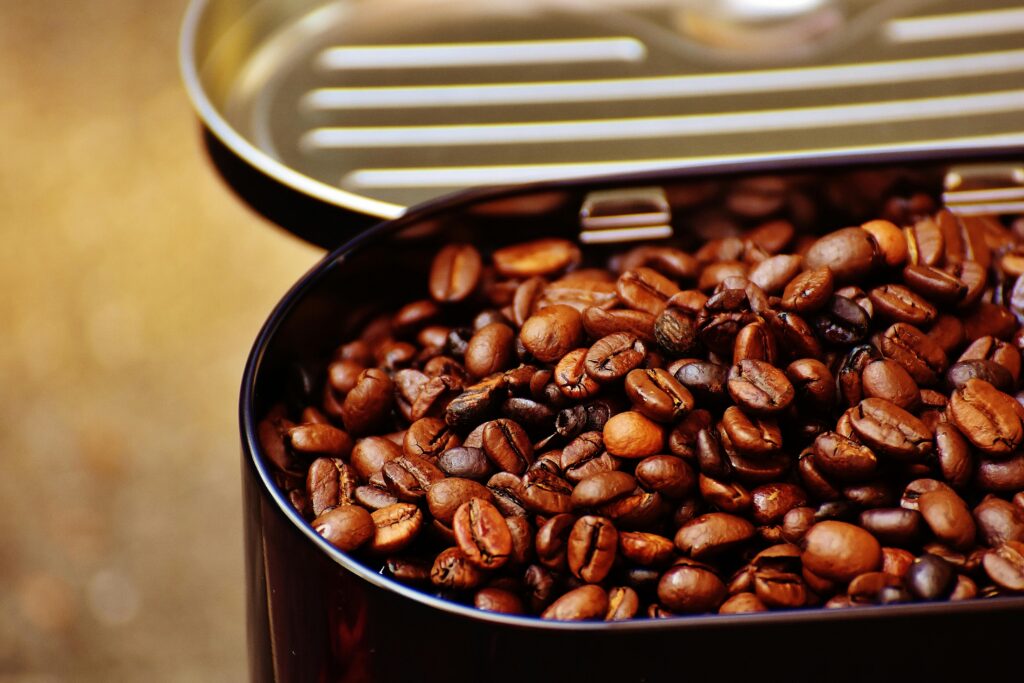
Not all organic coffee suits every brewing method or schedule. For automatic drip machines common in busy households, we recommend medium roast Central American beans, which offer balanced body and forgiving extraction profiles. Those using French press or cold brew methods may prefer dark roast Sumatran or Brazilian origins, where earthy, dark chocolate-forward notes withstand extended steeping without excessive acidity. Freshness remains paramount; we advise purchasing whole coffee beans in nitrogen-flushed bags with roast dates printed within the last two to four weeks. Storing beans in opaque, airtight containers away from direct light preserves volatile aromatic compounds that define the drinking experience. Grinding immediately before brewing with a reliable coffee grinder ensures that the cellular structure releases its full spectrum of flavors.
Home brewing benefits immensely from proper brewing tools. A burr coffee grinder produces uniform coffee grounds that prevent both under-extraction and bitterness. For cold brew, coarse coffee grounds steeped overnight yield a smooth concentrate with subdued acidity. French press immersion highlights body and oils, while pour-over accentuates clarity. Even an instant coffee packet has improved dramatically, with some specialty producers offering spray-dried single-origin options for travel or emergencies. However, for the true daily coffee ritual, whole-bean preparation remains unmatched for freshness and depth.
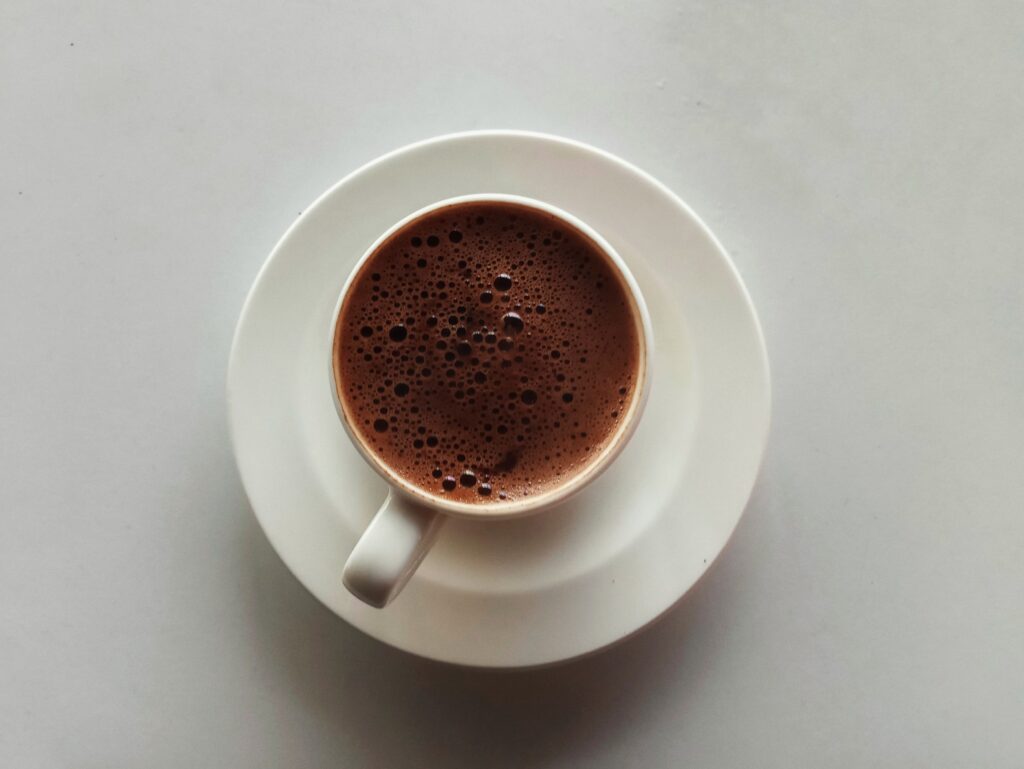
Our daily habits collectively shape global agricultural landscapes. Regenerative farming practices restore rather than deplete the soil where coffee cultivation occurs, and shade-grown trees sequester atmospheric carbon while preventing erosion. We estimate that switching a household’s daily consumption to certified organic coffee reduces the indirect pesticide load entering watersheds by a substantial margin. Many organic operations also hold fair trade certification, ensuring that farmers receive living wages. Equal Exchange operates as a pioneering worker-owned roastery that meticulously batch-roasts coffee with transparent supply chains, demonstrating that ethics and quality can coexist without compromise. Some progressive roasters now offer carbon-negative coffee, offsetting more emissions than they produce through reforestation and renewable energy. When we select sustainably sourced beans, we participate in a supply chain that values ecological resilience alongside profit margins.
While we celebrate the pleasures of organic coffee, we acknowledge that caffeine dependency deserves attention. A mild coffee addiction can disrupt sleep architecture if consumption extends past early afternoon. Balancing the daily coffee ritual with hydration and periodic decaffeinated days sustains long-term sensitivity to the brew’s benefits. Ultimately, organic coffee beans offer a cleaner, more flavorful vehicle for enjoyment, whether prepared through pour-over, French press, or cold brew. We encourage treating the daily cup not merely as fuel, but as an opportunity to align personal health with planetary stewardship.
Coffee Cups and Mugs
304 Stainless Steel Coffee Mug with Lid
38.88Original price was: 38.88.21.88Current price is: 21.88.Coffeeware
Coffee Distributor Espresso Leveler Adjustable Palm Tamper
27.88Original price was: 27.88.15.88Current price is: 15.88.Coffee Cups and Mugs
Double Wall Glass Coffee Mug with Handle
Coffee-Making Accessories
EspressoPro Knock Box – Anti-Slip Coffee Grounds Container
28.88Original price was: 28.88.11.88Current price is: 11.88.Coffee Cups and Mugs
Glass Measuring Cup with Wooden Handle
30.88Original price was: 30.88.15.88Current price is: 15.88.Coffee Cups and Mugs
Heat-Resistant Striped Glass Cup
28.88Original price was: 28.88.14.88Current price is: 14.88.Coffee-Making Accessories
MHW-3BOMBER Spring Loaded Espresso Tamper 51/53/58mm
160.88Original price was: 160.88.105.88Current price is: 105.88.Coffee-Making Accessories
MINI USB Rechargeable Milk Frother
23.88Original price was: 23.88.11.88Current price is: 11.88.Coffee-Making Accessories
Portable Disposable Drip Coffee Filter Bags
30.88Original price was: 30.88.15.88Current price is: 15.88.Coffee-Making Accessories
Pour Over Coffee Dripper Set
72.88Original price was: 72.88.43.88Current price is: 43.88.