

Coffee Guides, General Info
How to Brew Strong Coffee Without Bitterness

Achieving a cup of coffee that is both remarkably strong coffee and exceptionally smooth is the hallmark of a master brewer. Many enthusiasts equate “strong” with “bitter,” yet in the world of speciality coffee, these are two distinct variables. Strength refers to the concentration of dissolved coffee solids, while a bitter taste is often the result of chemical over-extraction during brewing. We believe that by understanding the delicate balance of science and technique, anyone can produce a bold, high-intensity brew that avoids a bitter flavor while remaining sweet and palatable.
Understanding the Difference Between Strength and Extraction
To brew effectively, we must first distinguish between TDS (Total Dissolved Solids) and extraction percentage. Strength is determined by the grounds-to-water ratio. If we use more coffee grounds and less water, the brew becomes more concentrated, resulting in a “stronger” mouthfeel and more caffeine. Extraction, however, refers to how much of the flavor from the coffee beans we pull out during the brewing time.
Bitter coffee typically arises when we create over-extracted coffee, pulling out the heavy, organic compounds and tannins that reside deep within the roasted beans. To brew a potent cup without bitter notes, our goal is to increase the concentration while carefully controlling the extraction time to stop before those harsh elements emerge. We achieve this by manipulating variables such as the coffee-to-water ratio, grind size, water temperature, and total brew time.
The Golden Ratio: Maximizing Strength Naturally
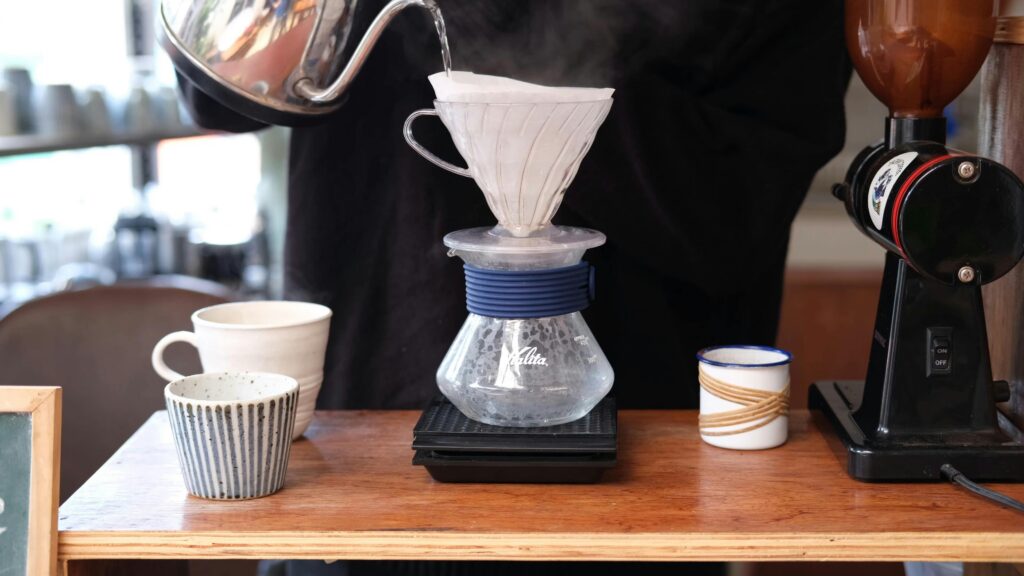
The most direct way to increase strength without inducing bitter compounds is to adjust the concentration of your ground coffee. While the standard “Golden Ratio” is often cited as 1:17, we recommend moving toward a 1:15 or even a 1:13 ratio for a robust profile. By using a kitchen scale to maintain precision, we ensure that the water becomes saturated with the desirable coffee oils and aromatic complexity quickly.
Because less water passes through each coffee particle, the water is less likely to reach the stage where chlorogenic acid lactones dominate the profile. For example, whether you use a drip coffee machine or a pour-over cone, increasing the mass of the coffee while keeping the water volume the same increases the body and intensity without requiring a longer brew method that might lead to acridity.
Precision Grinding: The Role of Particle Uniformity
The coffee grind and consistency of your ground coffee are perhaps the most influential factors in preventing a bitter flavor. When the grind size is too fine for specific brewing methods, the surface area increases significantly, allowing the water to strip away flavors too rapidly.
- Consistency is Key: We emphasize the use of a high-quality burr grinder over a blade grinder. A properly set grind produces uniform particles, whereas blade grinders produce a mixture of “fines” and “boulders.”
- The Bitter Culprit: Fines extract almost instantly. If your coffee grind is inconsistent, those tiny particles will turn into over-extracted coffee long before the larger chunks have finished the flavor extraction.
- Adjustment Logic: If your strong coffee tastes like stale coffee or has a harsh bite, we suggest a coarser grind. This slows down the extraction time of the heavy compounds while your higher coffee-to-water ratio maintains the strength you desire.
Temperature Control: Avoiding the Scorch
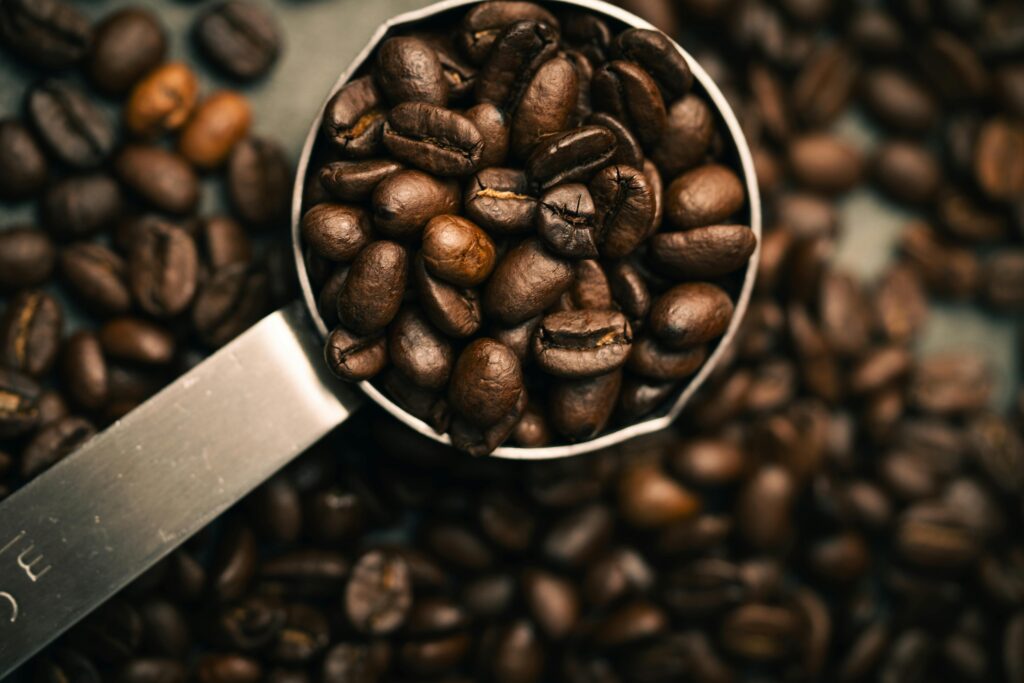
A common misconception is that boiling water is necessary to extract the full potential of the coffee beans. In reality, a water temperature at a rolling boil can “scorch” the delicate solubles, accelerating the release of bitter compounds.
We recommend maintaining a water temperature between 900 Celcius and 960 Celcius. For a dark roast, which is more soluble and prone to bitterness, we often lean toward the lower end of that spectrum. Conversely, a lighter roast can withstand higher heat to unlock its fruity profile. By using proper brewing equipment, we can ensure that we are extracting the sweet acids and flavor notes without reaching the thermal threshold that triggers a bitter taste.
Agitation and Contact Time: The Silent Variables
The total brewing time—the time during which water and coffee are in contact—must be precisely managed to avoid over-extraction. In an immersion brew method like a French press, a four-minute steep is standard. If the brew time extends to six or seven minutes, the result is inevitably a bitter flavor.
When you bloom the coffee by adding a small amount of water at the start, you release trapped gases and prepare the coffee grounds for even flavor extraction. However, excessive stirring acts like “turbo-charging” the process. To keep a strong brew smooth, we suggest minimal agitation. If your drip coffee machine or coffee machine is taking too long to drain, it is a sign that your grind setting is too fine, which will increase extraction time and produce bitter notes.

Water Quality and Equipment Cleanliness
Since coffee is approximately 98% water, the water quality is paramount. Chlorinated water or water with high mineral content can interfere with the extraction time of pleasant flavors and emphasize metallic bitterness. We advise using filtered water to protect the aromatic complexity of your arabica beans.
Furthermore, dirty equipment is a frequent but overlooked cause of a bitter taste. Residual oils from previous brews can go rancid, leading to a taste reminiscent of stale coffee. Whether you use a moka pot, a French press, or a coffee maker with a gold-tone permanent filter, regular cleaning is essential to ensure the flavor notes remain crisp and clean.
Bean Selection and Roast Profile
The foundation of any great cup is bean selection. Single-origin beans or high-quality arabica beans generally offer more aromatic complexity and fewer bitter notes than robusta varieties. When selecting your beans, always check the roast date or fresh roast date. Stale coffee loses its sweet-tasting notes and often leaves a hollow, bitter taste.
The roasting levels also dictate how you should adjust your brew settings. A dark roast has undergone an extensive Maillard reaction, making the beans brittle and more easily extractable. To avoid a bitter flavor with these, use a coarse grind and lower water temperature. A lighter roast will require a finer grind size to fully develop its flavor notes, which might include dark chocolate or a fruity profile.
Coffee Cups and Mugs
304 Stainless Steel Coffee Mug with Lid
37.88Original price was: 37.88.21.88Current price is: 21.88.Coffeeware
Coffee Distributor Espresso Leveler Adjustable Palm Tamper
27.88Original price was: 27.88.15.88Current price is: 15.88.Coffee Cups and Mugs
Double Wall Glass Coffee Mug with Handle
Coffee-Making Accessories
EspressoPro Knock Box – Anti-Slip Coffee Grounds Container
28.88Original price was: 28.88.11.88Current price is: 11.88.Coffee Cups and Mugs
Glass Measuring Cup with Wooden Handle
28.88Original price was: 28.88.11.88Current price is: 11.88.Coffee Cups and Mugs
Heat-Resistant Striped Glass Cup
28.88Original price was: 28.88.14.88Current price is: 14.88.Coffee-Making Accessories
MHW-3BOMBER Spring Loaded Espresso Tamper 51/53/58mm
160.88Original price was: 160.88.105.88Current price is: 105.88.Coffee-Making Accessories
MINI USB Rechargeable Milk Frother
23.88Original price was: 23.88.11.88Current price is: 11.88.Coffee-Making Accessories
Portable Disposable Drip Coffee Filter Bags
30.88Original price was: 30.88.15.88Current price is: 15.88.Coffee-Making Accessories
Pour Over Coffee Dripper Set
73.88Original price was: 73.88.44.88Current price is: 44.88.