

Coffee Guides, General Info
High Quality Arabica Coffee: What Makes Premium Arabica Beans Stand Out?
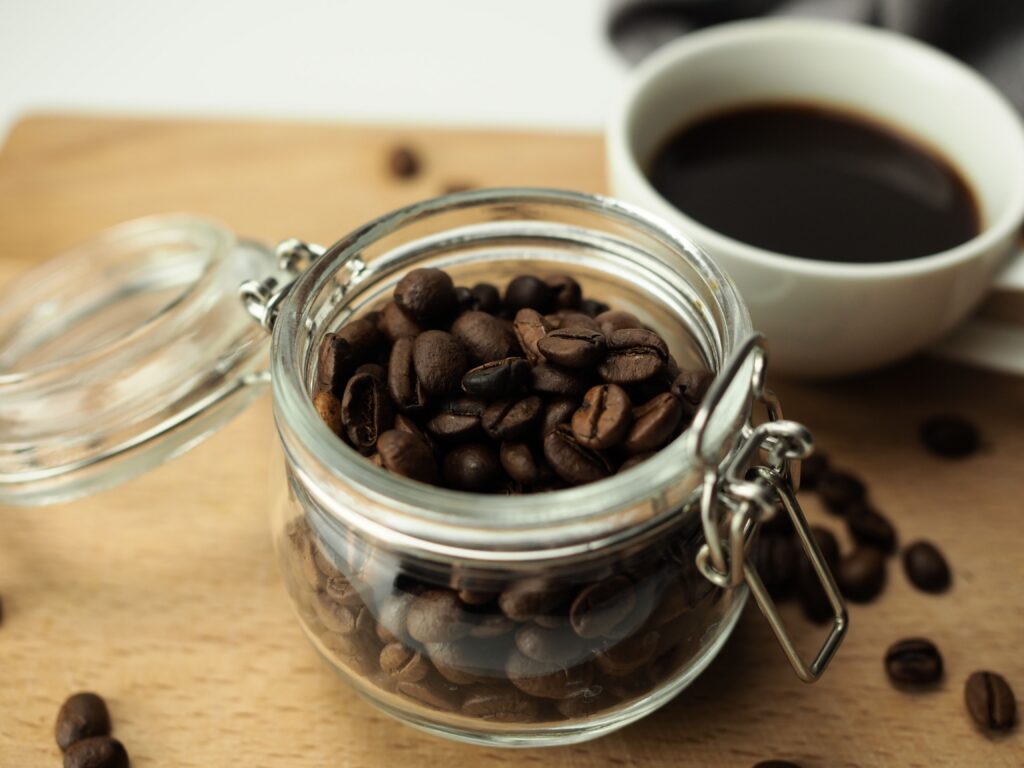
Coffee is more than just a daily beverage; it is an experience shaped by origin, cultivation methods, processing techniques, and roasting expertise. Among the many coffee varieties available worldwide, high-quality Arabica coffee remains the preferred choice for coffee enthusiasts, specialty cafés, and discerning consumers. Known for its refined flavor profile, aromatic complexity, and smooth finish, Arabica coffee represents the highest standards of quality in the coffee industry.
Understanding what differentiates premium Arabica beans from ordinary coffee can help consumers make informed purchasing decisions and appreciate the craftsmanship behind every cup.
What Is High-Quality Arabica Coffee?
High-quality Arabica coffee comes from the Coffea arabica plant, a species responsible for approximately 60–70% of global coffee production. Arabica beans are widely recognized for their superior taste characteristics compared to other varieties, particularly Robusta, which originates from Coffea canephora.
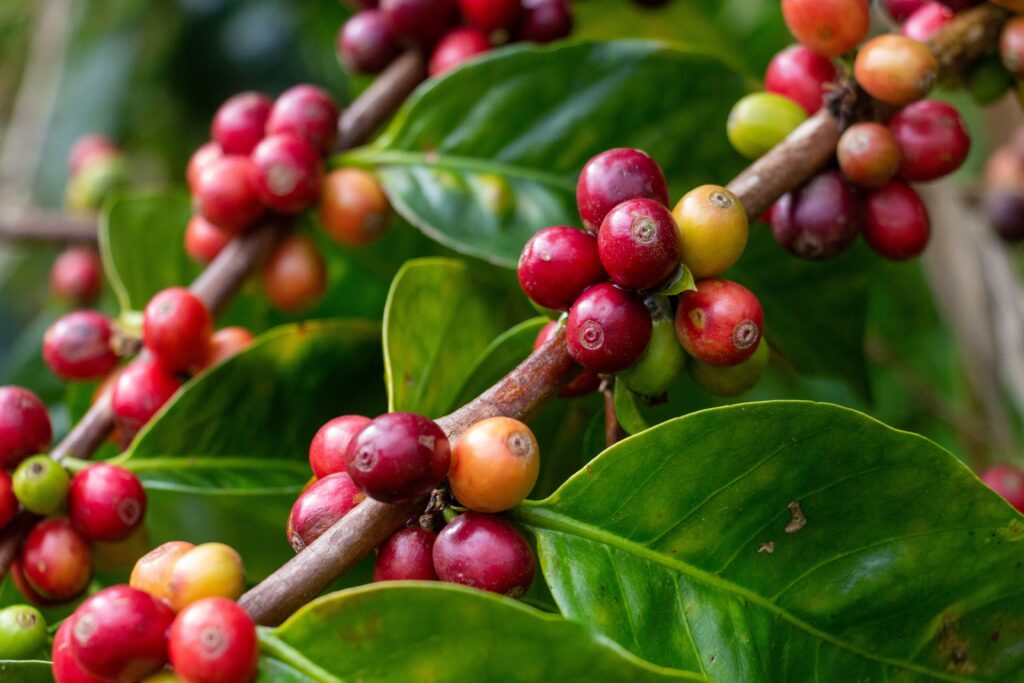
Premium Arabica coffee is typically grown at higher elevations, where cooler temperatures allow coffee cherries to mature more slowly. This extended growing period enables the beans to develop greater complexity, resulting in richer flavors and more pronounced aromas. The botanical name of Arabica coffee reflects its unique genetic heritage, which researchers believe evolved from natural hybridization involving species such as Coffea eugenioides, creating what is known as a polyploid species.
Unlike lower-grade coffee, high-quality Arabica beans undergo strict quality control throughout cultivation, harvesting, processing, and roasting. Only ripe coffee cherries are selected, ensuring consistency and excellence in every batch.
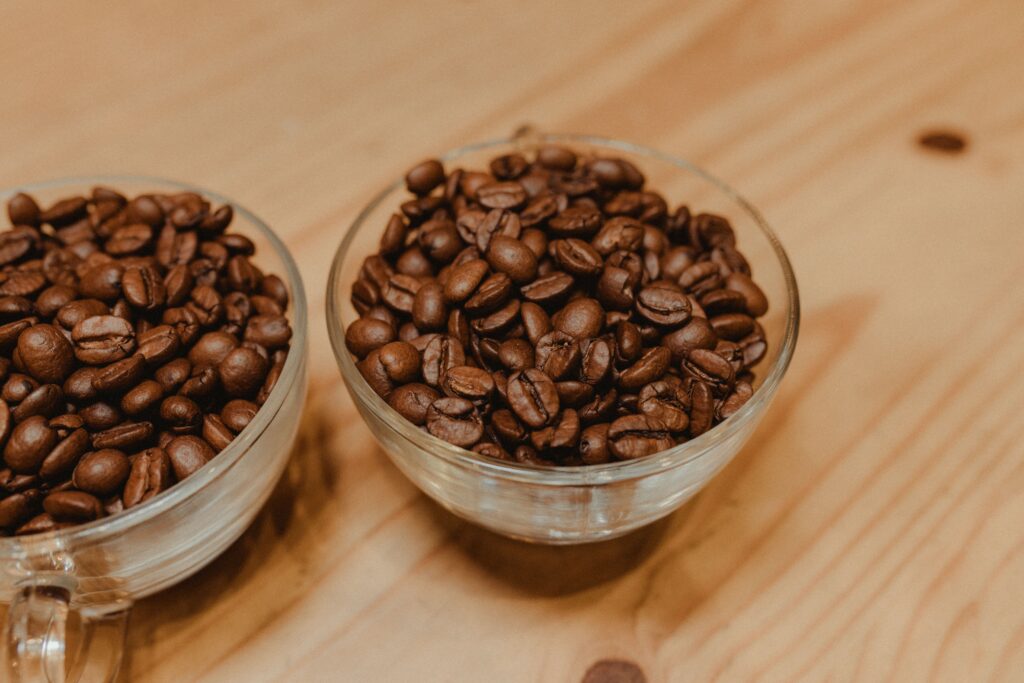
Characteristics of High Quality Arabica Coffee
Several distinctive traits define premium Arabica coffee and contribute to its reputation among coffee lovers worldwide.
Exceptional Flavor Complexity
One of the most celebrated qualities of high-quality Arabica coffee is its layered flavor profile. Depending on its origin, Arabica coffee may exhibit notes of:
- Chocolate
- Caramel
- Honey
- Citrus fruits
- Berries
- Floral undertones
- Nuts
- Stone fruits
These nuanced flavors create a multidimensional tasting experience that cannot typically be found in lower-grade coffee varieties. Some rare varieties, including geisha coffee, are especially prized within the specialty coffee industry for their extraordinary floral and tea-like characteristics.
Pleasant Acidity
In specialty coffee, acidity is considered a desirable characteristic. High-quality Arabica coffee often displays bright, vibrant acidity that enhances flavor clarity and balance.
For example, coffees from East Africa may feature lively citrus notes, while beans from South America often showcase crisp apple or sweet orange characteristics. This natural acidity contributes to a refreshing and memorable cup.
Smooth and Balanced Body
Premium Arabica coffee is known for its smooth mouthfeel and balanced body. Rather than overwhelming bitterness, it delivers harmony between sweetness, acidity, and richness. This balance allows individual flavor notes to shine while maintaining an enjoyable drinking experience.
Compared with Robusta varieties, Arabica generally contains lower caffeine content, contributing to its smoother and less bitter flavor profile.
Rich Aroma
Aroma plays a critical role in coffee appreciation. High-quality Arabica coffee frequently presents captivating fragrances ranging from floral and fruity scents to chocolatey and nutty aromas. These aromatic compounds significantly enhance the overall sensory experience before the first sip is even taken.
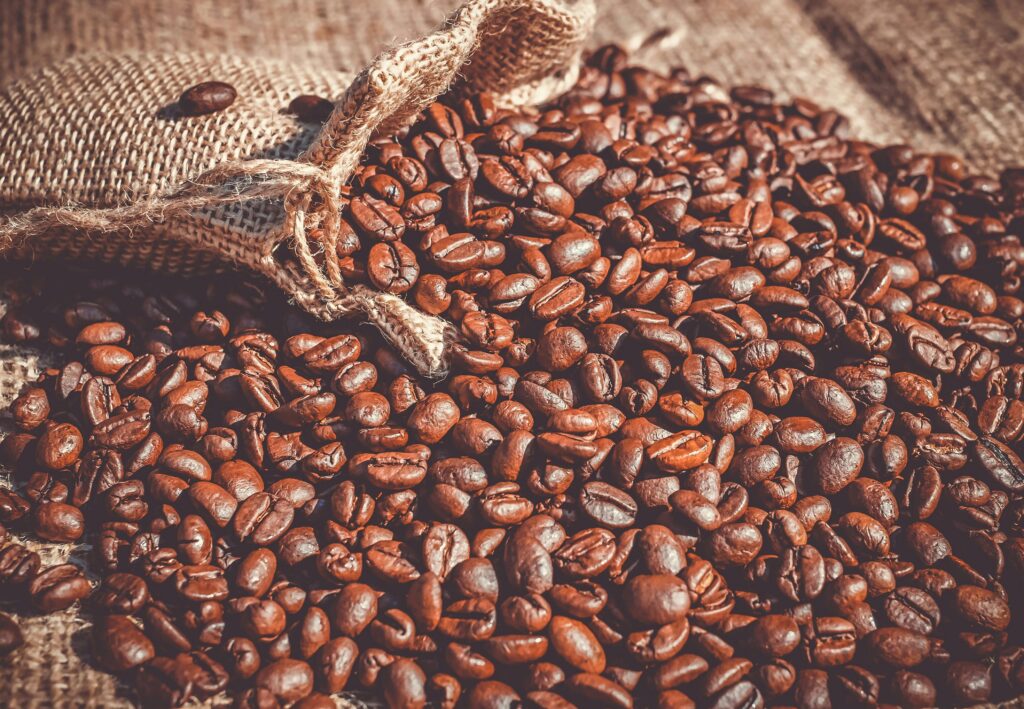
The Importance of Growing Conditions
The quality of Arabica coffee begins long before harvesting. Environmental factors have a profound impact on bean development and final cup quality.
High Elevation Cultivation
Many of the world’s finest Arabica coffees are cultivated at elevations between 1,000 and 2,200 meters above sea level. Higher altitudes generally produce denser beans with more concentrated flavors.
Successful coffee cultivation depends on a combination of altitude, climate, and soil quality. Regions renowned for producing exceptional Arabica coffee often benefit from mountainous terrain, fertile volcanic soil, and ideal climatic conditions.
Favorable Climate
Arabica coffee thrives in environments with moderate temperatures, sufficient rainfall, and distinct dry periods. These conditions support healthy coffee plant growth while encouraging optimal cherry development.
Many coffee-producing regions also preserve surrounding ecosystems and native wild plants, which can contribute to biodiversity and environmental sustainability.
Nutrient-Rich Soil
Healthy soil provides essential nutrients that influence coffee flavor and productivity. Volcanic soils, in particular, are prized for their mineral content and ability to support robust coffee plants.
Many premium coffee-growing regions owe part of their reputation to the unique characteristics of their local soil composition.
Harvesting and Processing Methods
Even the finest coffee plants cannot produce outstanding coffee without proper harvesting and processing practices.
Selective Hand Picking
High-quality Arabica coffee is often harvested by hand. Workers carefully select only ripe cherries, leaving immature or overripe fruit behind.
Although labor-intensive, selective harvesting ensures greater consistency and helps preserve the coffee’s flavor integrity.
Careful Processing Techniques
After harvesting, coffee cherries undergo processing to remove the fruit and prepare the beans for drying.
Common processing methods include:
- Washed Process
- natural processing
- Honey Process
Each technique influences the final flavor profile. Washed coffees often exhibit clarity and brightness, while coffees produced through natural processing may showcase enhanced sweetness and fruit-forward characteristics.
During processing, naturally occurring compounds and enzymes, including the pectinase enzyme, help break down fruit layers surrounding the beans. Proper processing is essential for maintaining bean quality and preventing defects that could compromise flavor.
The Role of Roasting in Coffee Quality
Even exceptional coffee beans require a carefully controlled roasting process to unlock their full flavor potential.
Professional roasters carefully monitor variables such as temperature, airflow, and time to achieve the desired roast degree. Whether a coffee is roasted light, medium, or dark, the objective is to highlight the bean’s inherent characteristics rather than mask them.
Many consumers also pay close attention to the roast date when purchasing coffee, as freshness plays a significant role in flavor quality and aroma retention.
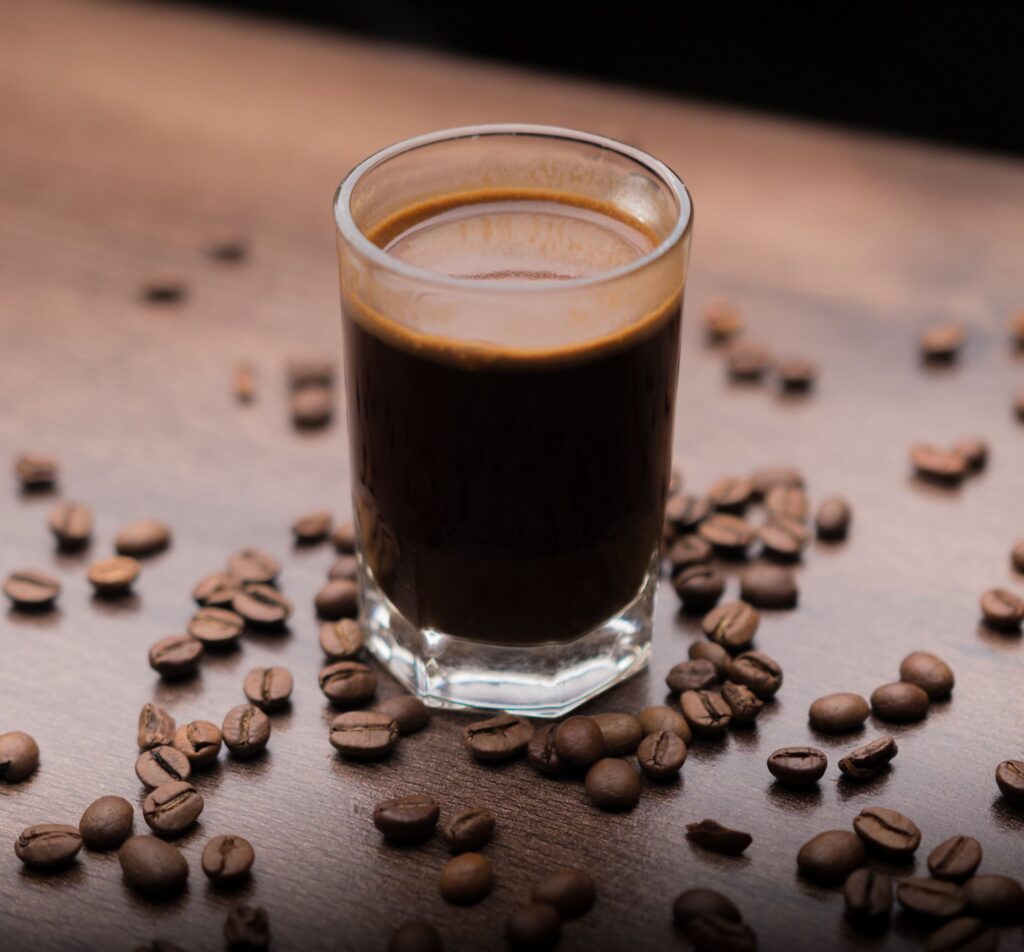
Why Consumers Prefer High Quality Arabica Coffee
The growing demand for premium coffee reflects a shift in consumer preferences toward quality, transparency, and authenticity.
Superior Taste Experience
Many consumers are willing to invest in high-quality Arabica coffee because of its exceptional flavor. The complexity and balance found in premium beans create a more satisfying and enjoyable coffee experience.
Lower Bitterness
Compared to lower-grade coffees, Arabica beans generally contain less caffeine and produce a smoother taste with reduced bitterness. This characteristic appeals to consumers seeking a refined and approachable cup.
Greater Traceability
Many premium coffees are marketed as single-origin products, allowing consumers to trace the beans back to a specific farm or region. This transparency enables coffee drinkers to understand where their coffee comes from and appreciate the work behind its production.
Support for Sustainable Farming
Many producers of high-quality Arabica coffee prioritize sustainable agricultural practices, environmental stewardship, and fair compensation for farmers. Purchasing premium coffee frequently contributes to the long-term viability of coffee-growing communities.
How to Identify High Quality Arabica Coffee
Consumers can use several indicators when selecting premium Arabica coffee.
Look for:
- 100% arabica coffee labeling
- single origin offerings
- Specialty-grade certification
- Recent roast date
- Transparent sourcing information
- Detailed tasting notes
- Trusted specialty roasters
Today, many coffee companies also offer convenient subscription services that deliver freshly roasted coffee directly to consumers, ensuring optimal freshness and variety year-round.
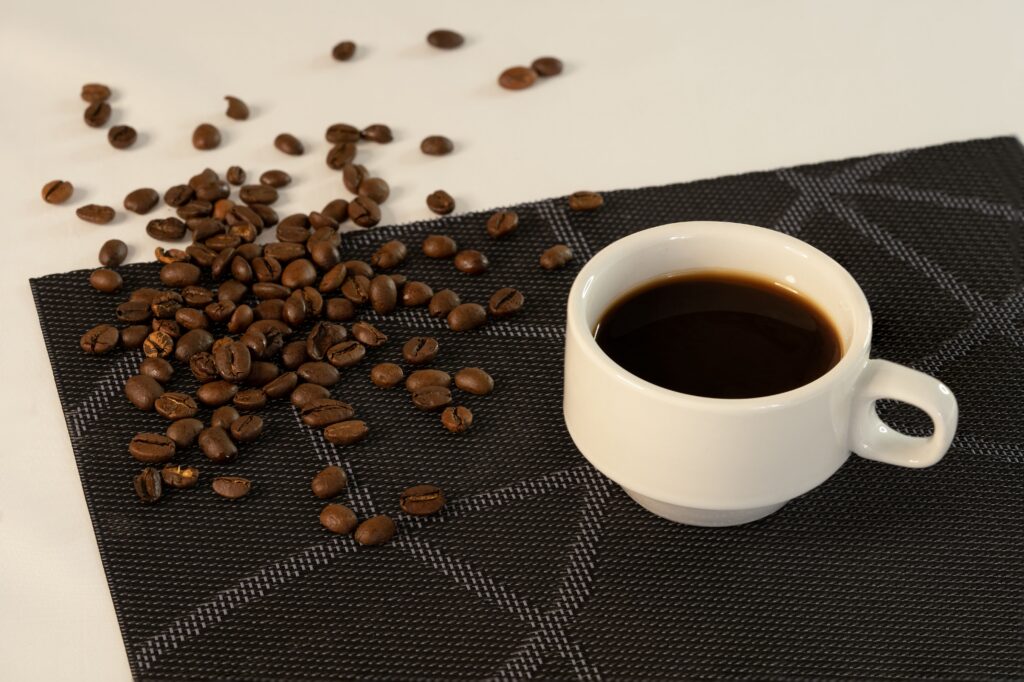
Global Demand for Premium Arabica Coffee
The demand for premium coffee continues to grow across international markets. While countries in South America and East Africa remain major producers of high-quality Arabica beans, emerging coffee cultures in cities such as Ho Chi Minh City are contributing to innovation and appreciation within the global coffee sector.
The evolving Vietnamese coffee industry has also increased interest in specialty-grade coffees, creating new opportunities for producers, roasters, and consumers worldwide.
Conclusion
High-quality Arabica coffee represents the pinnacle of coffee craftsmanship. From carefully cultivated plants grown at ideal elevations to meticulous harvesting, processing, and roasting methods, every step contributes to the exceptional flavor, aroma, and balance that Arabica coffee is known for.
Whether sourced as a single-origin offering, roasted by experienced specialty roasters, or enjoyed fresh shortly after its roast date, premium Arabica coffee delivers a superior experience. As consumers continue to seek exceptional coffee experiences, high-quality Arabica coffee remains the benchmark for quality, flavor, and authenticity in the global coffee industry.
Coffee Cups and Mugs
304 Stainless Steel Coffee Mug with Lid
37.88Original price was: 37.88.21.88Current price is: 21.88.Coffeeware
Coffee Distributor Espresso Leveler Adjustable Palm Tamper
26.88Original price was: 26.88.14.88Current price is: 14.88.Coffee-Making Accessories
EspressoPro Knock Box – Anti-Slip Coffee Grounds Container
27.88Original price was: 27.88.11.88Current price is: 11.88.Coffee Cups and Mugs
Glass Measuring Cup with Wooden Handle
28.88Original price was: 28.88.11.88Current price is: 11.88.Coffee Cups and Mugs
Heat-Resistant Striped Glass Cup
28.88Original price was: 28.88.14.88Current price is: 14.88.Coffee-Making Accessories
MHW-3BOMBER Spring Loaded Espresso Tamper 51/53/58mm
152.88Original price was: 152.88.100.88Current price is: 100.88.Coffee-Making Accessories
MINI USB Rechargeable Milk Frother
23.88Original price was: 23.88.11.88Current price is: 11.88.Coffee-Making Accessories
Portable Disposable Drip Coffee Filter Bags
30.88Original price was: 30.88.15.88Current price is: 15.88.Coffee-Making Accessories
Pour Over Coffee Dripper Set
70.88Original price was: 70.88.42.88Current price is: 42.88.Coffee-Making Accessories
Precision Coffee Grounds Distribution Tool with Wood Grip
28.88Original price was: 28.88.11.88Current price is: 11.88.