

Coffee Guides
French Press Coffee: The Ultimate Guide to Perfect Brewing

Understanding the Extraction Process
The extraction process in French press brewing is a complex interaction between water and coffee compounds, where soluble flavors are drawn out from the grounds over time. During immersion brewing, coffee grounds remain in constant contact with water, allowing for a thorough and even extraction of flavors, oils, and other compounds. The basic process involves hot water slowly dissolving both desirable and potentially undesirable compounds from the coffee grounds, with temperature and time directly affecting which flavors end up in your cup. The entire brew process typically takes four minutes, during which the coffee’s oils, acids, and flavor compounds are systematically extracted into the water. The mechanical process of pressing the plunger helps separate the grounds from the brewed coffee, while the built-in filter screen ensures minimal sediment passes through. Filter effectiveness varies between French press models, with higher-quality metal filters providing better ground separation while allowing essential oils to pass through. The metal mesh filter, typically made of stainless steel, plays a crucial role in allowing the coffee’s natural oils to remain in the final cup while keeping the grounds separate.
Measurement and Equipment Precision
A kitchen scale is essential for consistent results, with basic kitchen scale models offering gram-level precision adequate for most home brewers. Digital food scales provide extra precise measurements, ensuring you can always replicate your perfect cup. High-tech scales with timing functions and Bluetooth connectivity offer additional features for the detail-oriented brewer. Gram scales are particularly important when measuring coffee doses, as volume measurements can be inconsistent due to different bean densities and roast levels. Different flavor profiles emerge depending on precise measurements – some flavor variation can occur with even small changes in coffee-to-water ratios. Bitter flavors often result from over-extraction or too-fine grounds, while chocolatey flavors are commonly found in medium to dark roasts with proper extraction. Heavy flavors typically indicate strong extraction or dark roasts, while optimal flavor is achieved through precise measurement and timing. The French press can approximate espresso strength by adjusting ratios, though the brewing method produces a different type of strong coffee. A bit of strength helps balance when adding milk or cream, while complementary strength is finding the perfect balance between coffee and water ratios.
Temperature and Agitation Considerations
Water temperature plays a crucial role in extraction, with the optimal brewing temperature falling between 195-205°F (90-96°C). The correct temperature ensures proper extraction of desirable compounds while avoiding bitter elements. A drop in brewing temperature can occur during the process, so preheating your French press is recommended. Agitation periods, particularly during the initial bloom phase, help ensure even extraction across all coffee grounds. Insufficient agitation can lead to uneven extraction and weak coffee, while too much can increase bitterness. Body weight refers to the coffee’s mouthfeel and texture, with the French press typically producing a fuller body due to its metal filter allowing oils to pass through. A manual burr grinder offers precise control over grind size, which significantly affects extraction and final cup quality. Personal taste preferences determine the perfect ratio and technique for each brewer, with brewing options varying from light to dark roasts and grind sizes. Insulated options help maintain optimal temperature throughout the brewing process, ensuring consistent extraction from start to finish.
Achieving Balance: Ratios, Dose, and Coffee Measurements

The coffee-to-water ratio is perhaps the most essential element in the quest for the perfect French press coffee, as it dictates each brewed cup’s concentration and ultimate flavor strength. The ideal ratio of coffee to water is often cited as 1:15—one gram of coffee per fifteen grams of water—though some preference may shift this slightly depending on whether a drinker prefers a stronger coffee or a weaker coffee. Using a kitchen scale is crucial, whether it’s a basic kitchen scale or an extra precise digital food scale, to accurately weigh out the desired grams of coffee since “scoops” and tablespoons of coffee can be inconsistent. Advanced high-tech scales and gram scales enhance repeatability, ensuring that each brew adheres to tested and preferred water ratios and achieves the intended outcome. French press recipes often use heaping tablespoons or level tablespoons as quick measures. Still, these are less accurate than weighing out bulk coffee beans or coffee grounds, particularly when scaling up to multiple cups of coffee or using more ounces of water. The coffee dose—how much ground coffee is used in relation to the water—plays a pivotal role in determining if your brew is light, bold, or somewhere in between, and calculating this dose carefully ensures optimal flavor and a bit of strength when needed. When preparing large-batch coffee or seeking espresso strength, ratios may be tightened to 1:12 or looser for a milder beverage. Understanding the mechanics of measurement also helps minimize inconsistent strengths, a common pitfall for those new to French press brewing. For comparison, other brew methods like drip coffee brewing ratio may use slightly less coffee due to their paper filter and shorter brew times, leading to a gentler extraction profile. However, following the prescribed French press coffee ratio with fresh-ground coffee or pre-ground coffee creates a reliable foundation for crafting a superb cup, emphasizing the importance of precision in all aspects of the brewing process.
Mastering the Brewing Process: Grind, Filters, and Timings
The brewing process for French press coffee relies on several critical factors: coarse grind size, immersion, timing, and filtration. The correct coffee grind typically means coarse ground coffee, which reduces the risk of over-extraction and excessive bitter flavors that may emerge from finer grinds. Manual burr grinders or electric models enable home brewers to tailor the coffee grind and ensure consistent extraction, supporting the classic principles of immersion brewing. The built-in filter screen—a mesh filter or metal mesh filter—in each French Press is the tool for separating liquid from spent grounds. While not quite as fine as a paper filter, a metal filter or mesh allows natural oils and fine particles to pass, resulting in a fuller body and heavy flavors and allowing the unique notes of chocolatey flavors or even lighter coffee from lighter roast coffees to come through. Mesh screens in higher-end presses improve filter effectiveness, trapping more sediment than cheaper models and minimizing the presence of grounds in your finished cup—a special technique like the James Hoffmann method further clarifies the brew by allowing the grounds to settle. The flexibility of this brewing option means you can adjust not only the French press brewing ratio but also the Brewing time—typically around four minutes—based on your desired strength and mouthfeel. An ideal Brewing time ensures balanced extraction and highlights the delicate flavors, while vastly longer brew times can lead to a loss of brightness or an imperfect process with muddied flavors. Employing fresh water that’s free of odors boosts the clarity of extraction, and using insulated options such as double-walled presses can help maintain a stable brewing temperature throughout the process. Ultimately, adhering to the whole process—including proper agitation, controlled drop in brewing temperature, and immediate serving—ensures your cup of coffee is as close to perfect coffee as possible.
Exploring Roasts, Origins, and Coffee Variety

Coffee beans come in a spectrum of varieties, processing styles, and roast levels, all impacting the extraction result and the harmony of flavors in the cup. Light roast beans tend to preserve more of the origin’s character and acidity, performing beautifully with a slightly finer coarse grind and potentially shorter or more careful immersion to bring out their best. On the other hand, dark roasts are more soluble and release their heavy flavors—bittersweet, smoky, or chocolatey—more easily, which is why adjusting for a slightly coarser grind or shorter brew may yield a more rounded cup. The size and weight of a proper bean coffee dose also shift subtly based on roast level, so being responsive to roast and personal taste is crucial. The brewing temperature may also interact with the roast—the denser light roast beans may benefit from the upper end of the recommended water temperature range, ensuring thorough extraction. Many coffee makers are calibrated for medium grinds and paper filters; in contrast, French press equipment emphasizes the value of grind adjustment and temperature control. Vietnamese coffee, traditionally made using a special drip filter, can also be brewed in a French press, often with sweetened condensed milk, showing the range of brewing methods available for this versatile coffee maker. Whether you’re selecting a cup coffee beans for your morning routine, preparing a single cup, or investigating large-batch coffee for social gatherings, recognizing the interplay between bean, grind, filter, and dose empowers you to realize your coffee situation goals and confidently create a better-tasting coffee.
Enhancing Technique: Agitation, Settling, and Finishing Touches
In French press brewing, proper management of agitation periods is essential for encouraging even extraction and ensuring every ground is saturated. Agitation is generally performed during the initial coffee steep when hot water is poured over the grounds; stirring for just a few seconds helps create a uniform coffee bed and kick-starts the extraction. However, insufficient agitation results in poor extraction from unevenly wetted grounds, while too much agitation can extract harsher compounds and generate excess fines, compromising clarity and flavor. Careful observation of how the flavor changes with stir length throughout brewing helps each brewer tailor the procedure to their preferred flavor or body. Once brewing is complete, a mechanical process—lowering the plunger and mesh filter—separates the liquid and traps most of the grounds below. Still, a special technique like gently pouring off the top avoids disturbing settled particles, producing a clearer cup. Advanced users may develop personal tips for minimizing sediment adjusting for body weight depending on whether a fuller body or a lighter texture is desired in the finished coffee. Insulated presses offer the dual benefit of preserving the correct temperature and preventing the drop in brewing temperature that could cause under-extraction midway through. For those aiming to make iced coffee drinks or coffee over ice, reducing the grams of water brewed and adding ice after steeping concentrates the beverage without over-dilution. Refining finishing touches, such as serving the beverage immediately to avoid “cooking” the grounds or using a ceramic coffee vessel to hold heat, can bring home cafe-quality coffee in every cup.
Personalizing and Perfecting Your French Press Coffee
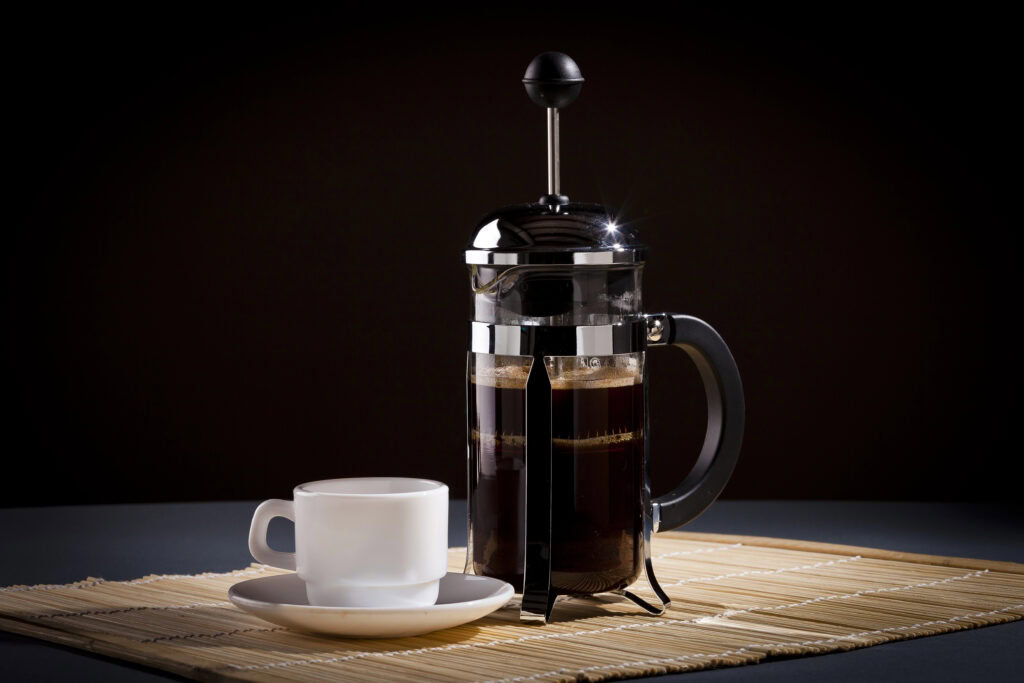
Over time, the ultimate measure of French press success lies in aligning every variable with your personal taste preferences. The French press rewards creativity and attentive refinement by adjusting the coffee-to-water ratio, experimenting with grams of coffee ground versus whole beans, or exploring the effect of different brewing options. Those seeking espresso strength can use concentrated ratios and shorter steeps, while those preferring a softer touch may use a higher ratio and less coffee. Even a bit of strength helps on tired mornings, while those enjoying multiple cups of coffee might prefer a milder brew to sustain drinking across the day. For the enthusiastic coffee drinker aiming for better-tasting coffee, maintaining a daily log of parameters using a digital food scale—noting grind, ratio, temperature, and result—helps develop an intuitive sense of which factors create optimal flavor and complementary strength. Exploring fresh water, trying new bean coffee varieties and fresh-ground coffee, and embracing the flexibility of this manual method ensures your coffee journey with the French press is continually evolving and deeply rewarding, cup after cup.
Summary:
Mastering French press coffee hinges on understanding the balance of extraction, precision in measurement, proper grind, and adaptability in technique. Focusing on ratios, timing, equipment, and personal exploration, the French press is a rewarding tool for anyone devoted to creating delicious coffee at home.
Coffee Cups and Mugs
304 Stainless Steel Coffee Mug with Lid
37.88Original price was: 37.88.21.88Current price is: 21.88.Coffeeware
Coffee Distributor Espresso Leveler Adjustable Palm Tamper
27.88Original price was: 27.88.15.88Current price is: 15.88.Coffee Cups and Mugs
Double Wall Glass Coffee Mug with Handle
Coffee-Making Accessories
EspressoPro Knock Box – Anti-Slip Coffee Grounds Container
28.88Original price was: 28.88.11.88Current price is: 11.88.Coffee Cups and Mugs
Glass Measuring Cup with Wooden Handle
28.88Original price was: 28.88.11.88Current price is: 11.88.Coffee Cups and Mugs
Heat-Resistant Striped Glass Cup
28.88Original price was: 28.88.14.88Current price is: 14.88.Coffee-Making Accessories
MHW-3BOMBER Spring Loaded Espresso Tamper 51/53/58mm
160.88Original price was: 160.88.105.88Current price is: 105.88.Coffee-Making Accessories
MINI USB Rechargeable Milk Frother
23.88Original price was: 23.88.11.88Current price is: 11.88.Coffee-Making Accessories
Portable Disposable Drip Coffee Filter Bags
30.88Original price was: 30.88.15.88Current price is: 15.88.Coffee-Making Accessories
Pour Over Coffee Dripper Set
73.88Original price was: 73.88.44.88Current price is: 44.88.