

General Info
Burr Grinder for Espresso: The Definitive Guide to Precision Grinding and Brew Control

A high-quality burr grinder for espresso is the foundation of consistent, flavorful coffee at home and in specialty coffee bars. While an impressive espresso machine often grabs attention, grind size (how fine or coarse the coffee particles are), particle size distribution (the range of sizes that result from grinding), and grind retention (how much ground coffee stays inside the grinder after use) have a far greater impact on the final cup. By choosing the right electric burr grinder or manual grinder, understanding burr geometry (the shape and arrangement of the grinder’s burrs) and burr flexibility (the burr’s ability to handle different coffee types), and learning to use grind adjustments effectively, we gain full brew control across espresso, filter coffee, French press, moka pot, and other manual brew methods. In this guide, we explore how conical burrs and flat burrs work, how particle distribution shapes flavor, and which espresso grinders and single-dose grinders have become best sellers among enthusiasts.
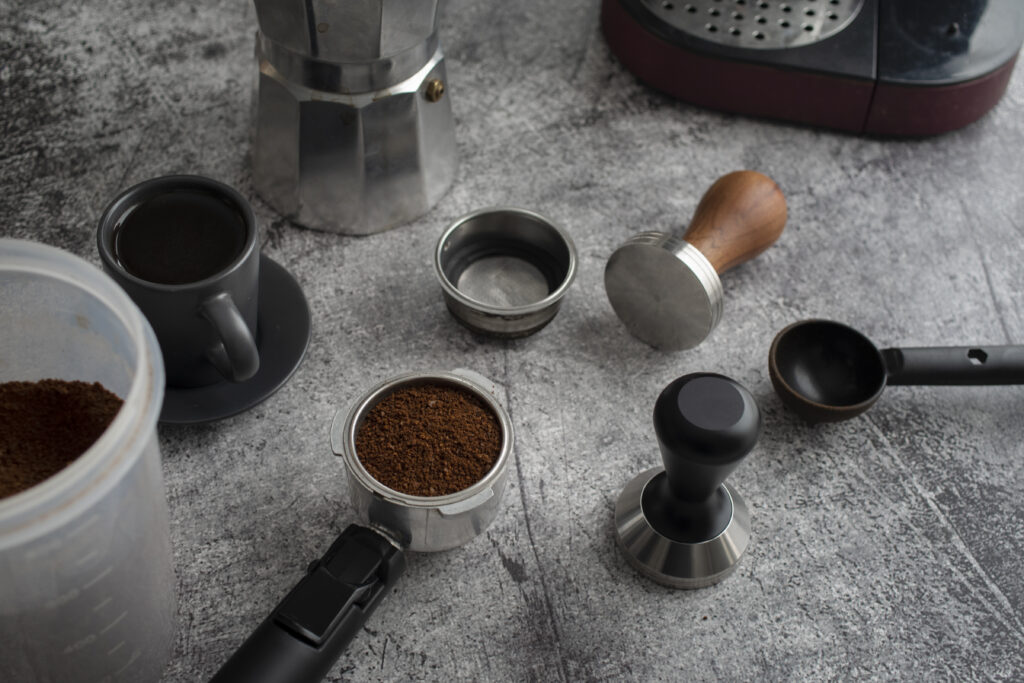
Why Burr Grinders Beat Blade and Disk Grinders for Espresso
For espresso, the grind size must be extremely fine, homogeneous (all particles are similar in size), and repeatable. A burr grinder uses two grinding wheels, known as a burr set, to crush coffee beans to a controlled particle size instead of randomly chopping them. This homogeneous grinding process reduces fines (very tiny particles) and boulders (large pieces), leading to more even extraction, stable temperature development, and predictable grinding results. Whether we use conical grinders or flat burr espresso grinders, the key is a consistent particle size distribution with minimal clumping and low dead space (areas where grounds can get trapped) inside the grinder.
Blade or disk grinders, such as many entry‑level consumer models, create mixed particle sizes and erratic extraction. The result is coffee that can taste both sour and bitter. Even with a high‑end espresso machine, a poor grinder creates a frustrating, inconsistent dial-in experience. In contrast, a quality burr grinder offers fine macro and micro adjustments, letting us precisely control flow rate and brew methods from ristretto to lungo.
Conical Burrs vs Flat Burrs: Burr Geometry and Taste
Modern coffee grinders for espresso typically use either conical burrs or flat burrs. The burr geometry influences how beans feed through the grinding mechanism, the resulting particle distribution, and often the flavor profile in the cup.
Conical burr grinders feature a cone‑shaped inner burr rotating inside a hollow outer burr. This design is common in home and many commercial grinders, thanks to efficient feeding, relatively quiet operation, and an excellent grind range. Well‑known conical burr grinders include the Niche Zero, Niche Duo, 1Zpresso K‑Ultra, Timemore C2, and some versions of the Baratza Sette. Conical burrs often emphasize body and sweetness, making them appealing for milk‑based drinks and rich profiles.
Flat burr grinders use two parallel, serrated burrs to grind beans between flat surfaces. Grinders like the DF64 Gen 2, Eureka Mignon Specialita, Fellow Ode Gen 2, Eureka Atom 75, Mahlkönig E65 GBW, Mazzer Philos, and commercial models such as the Baratza Forte AP and BG use flat burrs. Flat burr geometry is prized for clarity and tight particle distribution, especially with advanced burrs from SSP Lab. In specialty settings and cupping analysis, flat burr grinders are used to highlight nuanced acidity and complex aromatics.
Both conical and flat stainless steel burrs can produce world‑class espresso and filter coffee. Therefore, beyond burr shape alone, it is crucial to also consider burr flexibility, motor strength, temperature development, static reduction technologies, and the grind adjustment system. With these factors in mind, we can effectively evaluate which grinder best suits our needs as we move into discussions of retention and user experience.
Single Dosing, Grind Retention, and Static Cling
Single-dose grinders have transformed the home coffee game by minimizing grind retention (reducing the amount of coffee left inside the grinder after use) and simplifying brew control. Traditional hopper-based automatic burr coffee grinders often have significant dead space (hidden areas inside the grinder) between the burr set and the chute (the path the coffee travels). This retained coffee becomes stale, leading to inconsistent doses and fluctuating flavor. Single dosing reduces this problem by allowing us to weigh a single dose of coffee beans, pour them into the grinder, and grind them to a dose in a dosing cup or directly into the portafilter (the handle that holds coffee grounds in an espresso machine).
Models such as the DF64 Gen 2, Niche Zero, Fellow Ode (and Fellow Ode Gen 2), Mazzer Philos, and timemore Sculptor 064s are designed for low retention, with short grind paths, powerful motors, and features like bellows to push residual grounds out of the chamber. This improves grinding results, reduces waste, and makes it easy to switch between brew methods like espresso, filter coffee, French press, batch brew, and moka pot.
Static cling is another practical issue in coffee grinders. When very dry grounds stick to the chute (the spout or path through which coffee exits the grinder) or dosing cup (the container that catches ground coffee), dosing precision and cleaning become more difficult. Many modern espresso grinders include anti-static materials, special chutes, or static-reduction systems to address this issue. A quick spritz of water on the beans, often called the “RDT method” (Ross Droplet Technique), can further reduce static, especially with finely ground espresso. By minimizing static cling and dead space (trapped areas where coffee grounds get stuck), we improve our daily esperienza utente (user experience) even in spazi ristretti (small spaces) such as small kitchens or compact coffee corners.
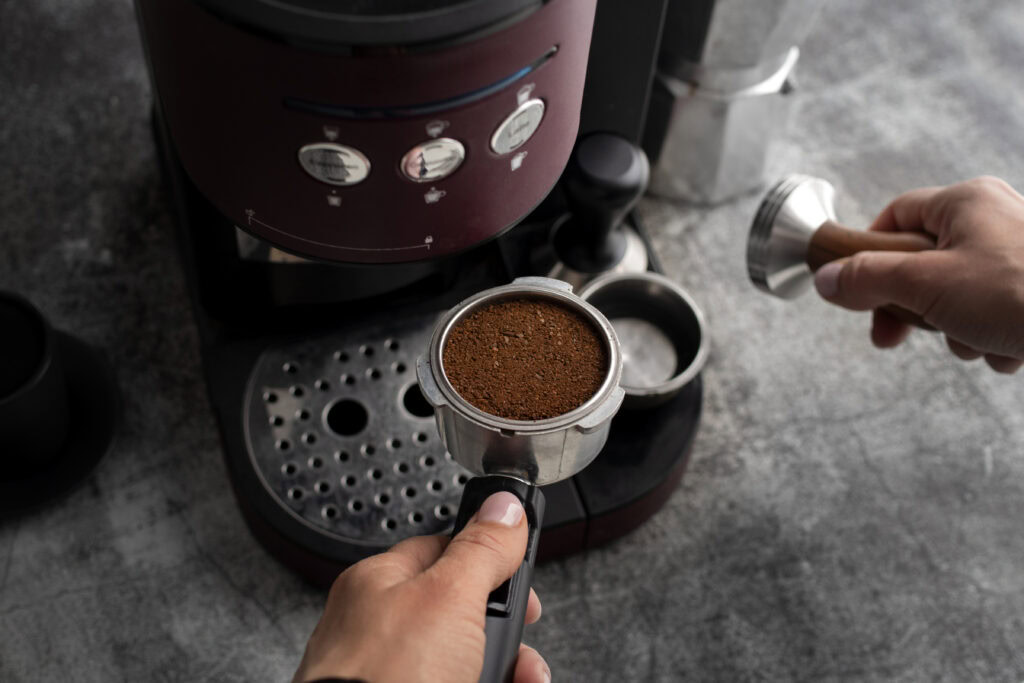
Grind Adjustment Systems: Macro Adjustments and Micro Adjustments
The grind adjustment system determines how easily and precisely we can switch between grind settings (levels of coarseness or fineness). For espresso dialing in (the process of fine-tuning espresso variables), having both macro adjustments (large changes to grind size) and micro adjustments (tiny changes to grind size) is essential, because small changes in particle size greatly affect shot time and flavor.
Stepped systems, common on entry-level grinders such as the Cuisinart DBM-8 and some OXO Brew Grinder models, use discrete clicks (specific fixed positions) to shift burr spacing. These grinders can be useful for manual brewing and French press, but the available grind settings (grind ranges) are often too coarse for fine espresso control. More advanced grinders like the Baratza Encore ESP add dedicated micro-adjustments (fine, precise changes) in the espresso range, allowing us to move from filter coffee to espresso with greater precision.
Stepless systems, employed on grinders such as the Eureka Mignon Specialita, Eureka Atom 75, DF64 Gen 2, Niche Zero, Fellow Ode Gen 2, Baratza Sette, Forte AP, and many commercial grinders, allow essentially continuous burr movement (no preset grind positions). This provides nearly unlimited intermediate positions for granular control of particle size distribution (the range of particle sizes produced by grinding). Combined with a stable portafilter fork assembly (support device for portafilter) and clear markers, stepless systems make it easier to repeat preferred settings for different coffees while achieving consistent brewing results.
Key Espresso and Multi‑Purpose Grinders in the Modern Market
Several modern grinders illustrate how design choices influence performance across espresso machines and brew methods.
The Baratza Encore ESP builds on the popular Baratza Encore platform with expanded fine‑grind capability, enabling espresso, filter coffee, and manual brew. Its versatile grind range and approachable pricing make it a popular upgrade from basic blade or disk grinders. The Baratza Sette series, with its unique grinding mechanism and minimal retention design, focuses on fast grinding and a direct-to-portafilter workflow for home and small-commercial setups.
Flat burr single-dose grinders like the DF64 Gen 2 and Timemore Sculptor 064s combine large stainless steel burrs or optional SSP burrs with low retention and compact form factors. These grinders appeal to users who frequently shift between espresso machines, manual brew methods, and cupping analysis. The Fellow Ode and Fellow Ode Gen 2, although primarily optimized for filter coffee and batch brew, are often chosen by enthusiasts who value quiet operation, modern design, and excellent particle distribution for non‑espresso brew methods.
At the higher end, grinders such as the Eureka Atom 75, Mahlkönig E65 GBW, Mazzer Philos, Forte AP, and Baratza Forte BG are designed for demanding specialty coffee environments. They offer robust motors, advanced grind-by-weight systems, large burr sets, and precise grind adjustment systems that support intensive use with multiple espresso machines and brew stations. In such contexts, consistent brew quality, low-temperature development during grinding, and tight control over particle size are non-negotiable.
Manual Grinders and Portable Precision
Manual grinders remain highly relevant in the world of specialty coffee, especially for travelers, manual brewing enthusiasts, and those who prioritize silence and tactile feedback (the physical sensation of grinding by hand). High-end models like the 1Zpresso K-Ultra and Timemore C2 deliver impressive particle-size uniformity (grounds of the same size) and stable grind adjustments with hand-cranked conical burrs. When paired with manual brew methods such as pour-over, French press, and moka pot, these grinders allow us to fine-tune grind size for different recipes and tasting coffee sessions.
Some manual grinders employ advanced burr sets, including M2 burr sets or even custom‑cut burrs inspired by SSP burrs, to deliver enhanced clarity, sweetness, and balance. For those who brew exclusively by hand or who need a compact option for spazi ristretti, a well‑engineered manual grinder can rival the performance of many electric burr grinders while remaining easy to maintain and transport.
Brew Methods, Particle Size, and Flavor Outcomes
Once we own a capable burr grinder, we unlock full control over brew methods. Coarser settings produce larger particles suitable for French press and batch brew, where longer contact times require slower extraction. Medium settings target pour‑over and filter coffee, balancing clarity and body. Fine settings are reserved for the Moka pot and espresso, where short extraction times demand small particles and high surface area.
Using a single-dose grinder for espresso and manual brew methods allows us to experiment with particle size distribution to achieve specific flavor goals. For example, slightly coarser espresso grind settings can reduce bitterness and highlight acidity, while slightly finer settings can increase extraction and body. Through systematic tasting coffee sessions and cupping analysis, we can correlate grind adjustments with flavor changes and better understand how our burr grinder, espresso machine, and brew water interact.
Practical Considerations: Build, Service, and User Experience
Beyond raw grinding performance, we should also consider build quality, servicing options, and servizio clienti. Stainless steel housings, accurate portafilter fork assemblies, clear grind scales, and stable dosing cups all contribute to daily usability. Reliable service networks and accessible spare parts, such as replacement stainless steel burrs or upgraded SSP burrs, extend the lifespan of our grinder and protect our investment.
For home users in spazi ristretti, compact footprints, good cable management, and thoughtful hopper designs improve esperienza utente. Features like grind-by-weight, Automatic Burr Coffee Grinder modes, or programmable time-dosing further streamline the workflow for users who brew multiple cups each day. When we evaluate grinders in the Grinders + Burrs category, it is useful to read independent testing from organizations similar to Coffee Circle and to compare how well different models deliver stable, repeatable grinding results across their entire grind range.
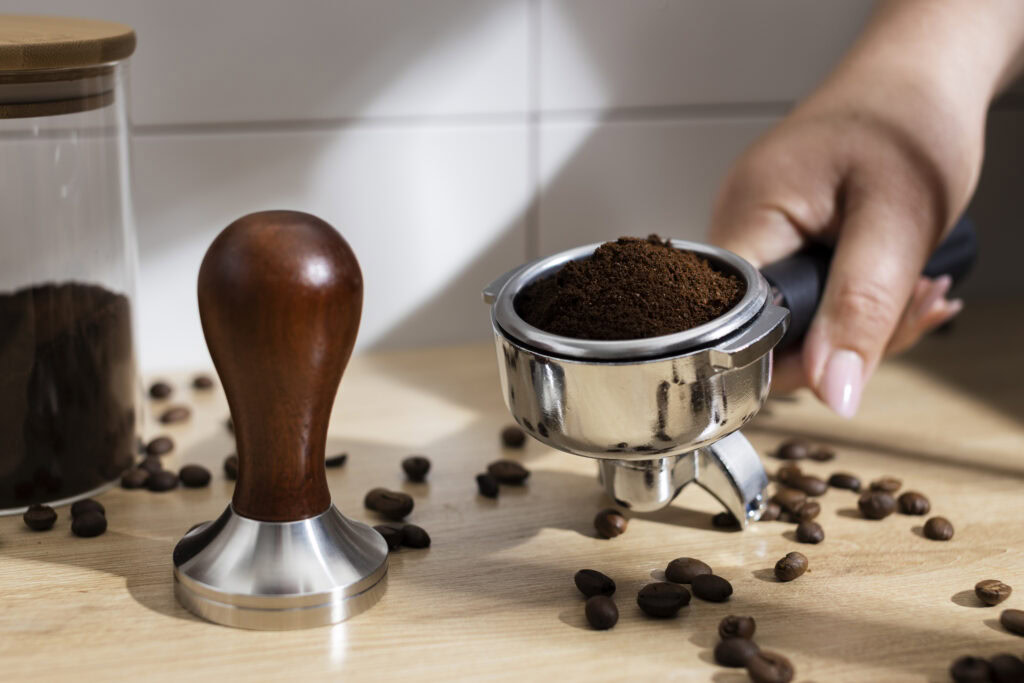
How a Thoughtful Grinder Choice Elevates the Home Coffee Game
Choosing an appropriate burr grinder for espresso and other brew methods is ultimately about control, consistency, and enjoyment. With a precise grind adjustment system, robust burr geometry, and minimized grind retention, we can confidently dial in espresso, filter coffee, and French press with predictable outcomes. Models like the Baratza Encore ESP, DF64 Gen 2, Eureka Mignon Specialita, Fellow Ode Gen 2, Niche Zero, Niche Duo, Forte AP, and many others demonstrate that there is a suitable option for nearly every budget and level of coffee enthusiasm.
By focusing on particle size, particle size distribution, static reduction, and low dead space, we ensure that every dose we grind expresses the full potential of our coffee beans. Whether we rely on manual brewing, sophisticated espresso machines, or a blend of both, the right burr grinder transforms our daily routine from simple caffeine intake into a refined specialty coffee experience that rivals commercial grinders in professional cafés.
Coffee Cups and Mugs
304 Stainless Steel Coffee Mug with Lid
37.88Original price was: 37.88.21.88Current price is: 21.88.Coffeeware
Coffee Distributor Espresso Leveler Adjustable Palm Tamper
27.88Original price was: 27.88.15.88Current price is: 15.88.Coffee Cups and Mugs
Double Wall Glass Coffee Mug with Handle
Coffee-Making Accessories
EspressoPro Knock Box – Anti-Slip Coffee Grounds Container
28.88Original price was: 28.88.11.88Current price is: 11.88.Coffee Cups and Mugs
Glass Measuring Cup with Wooden Handle
28.88Original price was: 28.88.11.88Current price is: 11.88.Coffee Cups and Mugs
Heat-Resistant Striped Glass Cup
28.88Original price was: 28.88.14.88Current price is: 14.88.Coffee-Making Accessories
MHW-3BOMBER Spring Loaded Espresso Tamper 51/53/58mm
160.88Original price was: 160.88.105.88Current price is: 105.88.Coffee-Making Accessories
MINI USB Rechargeable Milk Frother
23.88Original price was: 23.88.11.88Current price is: 11.88.Coffee-Making Accessories
Portable Disposable Drip Coffee Filter Bags
30.88Original price was: 30.88.15.88Current price is: 15.88.Coffee-Making Accessories
Pour Over Coffee Dripper Set
73.88Original price was: 73.88.44.88Current price is: 44.88.