

Uncategorized
Best Coffee Beans for Home Brewing: How to Choose the Perfect Beans for Exceptional Coffee at Home
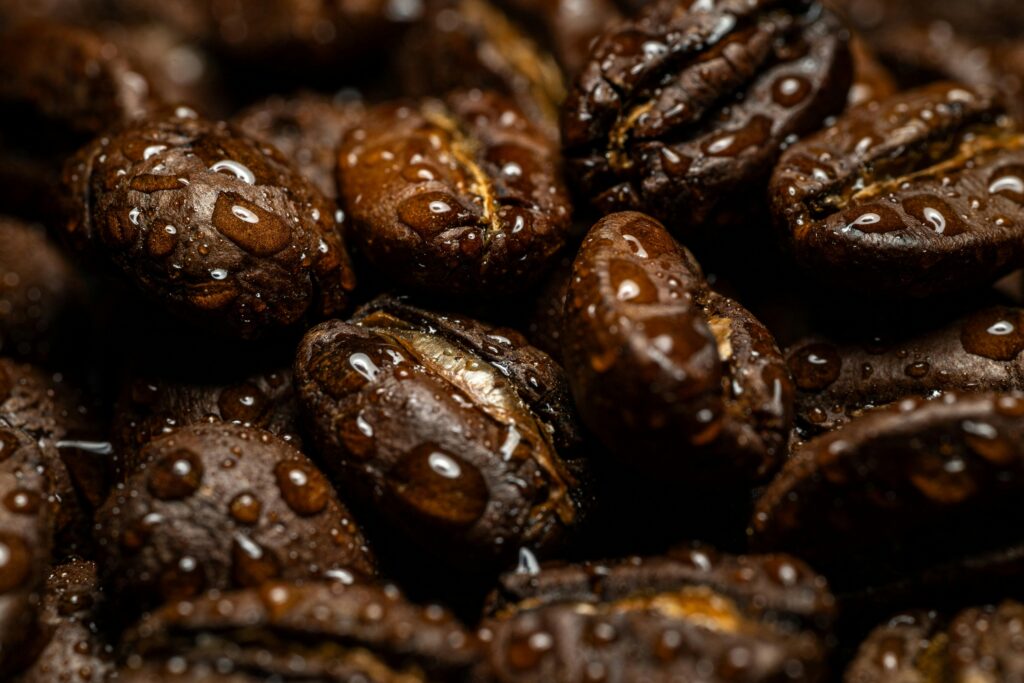
Understanding Coffee Processing and Flavor Development
One of the most overlooked factors affecting coffee quality is how coffee beans are processed after harvest. Different processing methods significantly influence the final flavor profile that reaches the cup. Among the most common methods are Natural (dry) processing and washed processing. In natural processing, the coffee cherry dries with the fruit still attached to the bean, often producing a fruit-forward flavor style with enhanced sweetness and body. Washed processing removes the fruit before drying, resulting in a cleaner and brighter cup that highlights origin characteristics and delicate tasting notes.
These processing decisions have become increasingly important within the modern coffee industry, particularly among third-wave coffee roasters that emphasize transparency and craftsmanship. Many specialty roasters now promote direct trade relationships with farmers, ensuring better quality control while supporting sustainable agricultural practices. Consumers interested in organic coffee, certified organic products, or shade-grown coffee can often find detailed sourcing information that provides greater confidence in the quality and sustainability of their purchase.
For coffee enthusiasts exploring single-origin offerings, understanding processing methods can be just as important as understanding the growing region. Two coffees from the same farm may exhibit remarkably different flavor characteristics depending on how they were processed after harvest.
Why Coffee Bean Quality Matters More Than Equipment
Coffee is similar to any culinary ingredient: the final product can only be as good as its raw materials. High-quality coffee beans contain a greater concentration of desirable aromatic compounds, natural sugars, and flavor characteristics that create a balanced and enjoyable cup.
Freshly roasted specialty coffee often reveals layers of flavor that are impossible to find in mass-produced alternatives. Depending on where the coffee was grown, we may detect notes of chocolate, caramel, berries, citrus fruits, nuts, or delicate floral aromas. These flavor nuances are developed through a combination of climate, altitude, soil composition, and processing methods.
Freshness is equally important. Coffee begins to lose its aromatic complexity shortly after roasting. For the best results, we recommend purchasing beans roasted within the past few weeks and storing them in an airtight container away from heat, moisture, and direct sunlight. This simple practice can dramatically improve the quality of every brew.
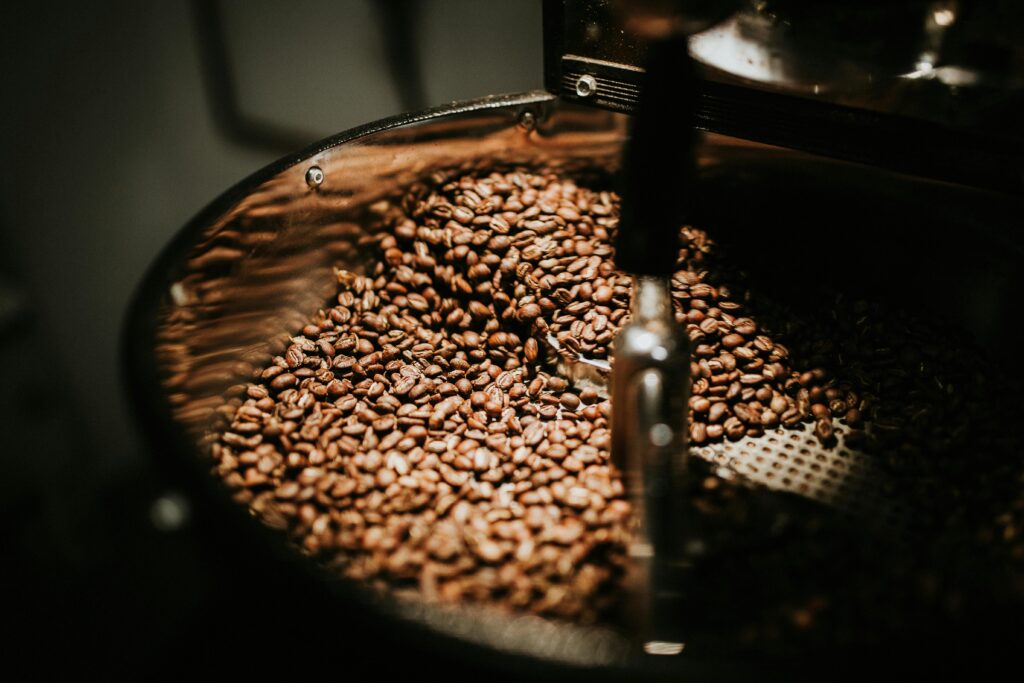
How Coffee Origins Influence Flavor
One of the most fascinating aspects of coffee is how dramatically flavor can vary depending on where the beans are grown. Just as wine reflects the characteristics of its vineyard, coffee expresses the unique environmental conditions of its origin.
Ethiopian coffee is widely celebrated for its vibrant and expressive flavor profile. Many Ethiopian beans feature bright acidity, floral aromas, and fruit-forward notes such as blueberry, peach, and citrus. These characteristics make Ethiopian coffee particularly popular among pour-over enthusiasts who appreciate clarity and complexity in their cup.
Colombian coffee is often praised for its balance and versatility. With notes of caramel, chocolate, and subtle fruit sweetness, Colombian beans offer a well-rounded profile that performs exceptionally well across a variety of brewing methods. This versatility makes Colombian coffee an excellent starting point for those new to specialty coffee.
Brazilian coffee tends to emphasize comfort and richness. Many Brazilian beans exhibit flavors of cocoa, chocolate, and roasted nuts, combined with a smooth body and relatively low acidity. These qualities make them especially suitable for espresso and milk-based beverages.
Guatemalan coffee occupies a middle ground between brightness and depth. It often delivers layered flavors that include dark chocolate, toffee, citrus, and gentle spice notes. Home brewers seeking a more complex and structured cup frequently gravitate toward Guatemalan coffees.
Choosing the Right Roast Level for Your Brewing Style
Roast level has a profound impact on how coffee tastes. While bean origin determines the coffee’s inherent characteristics, roasting influences how those characteristics are expressed.
Light roasts preserve much of the bean’s original flavor profile. They often showcase higher acidity, floral aromas, and fruit-forward tasting notes. Coffee enthusiasts who enjoy exploring the unique qualities of different origins frequently prefer light-roasted beans, particularly when brewing with pour-over methods.
Medium roasts provide a balance between origin character and roasting development. The result is often a harmonious combination of sweetness, body, and complexity. Because of their versatility, medium roasts are among the most popular choices for home brewing.
Dark roasts emphasize boldness and body. The roasting process develops deeper chocolate-like and smoky flavors while reducing acidity. These characteristics make dark roasts appealing to drinkers who prefer a robust and traditional coffee experience.
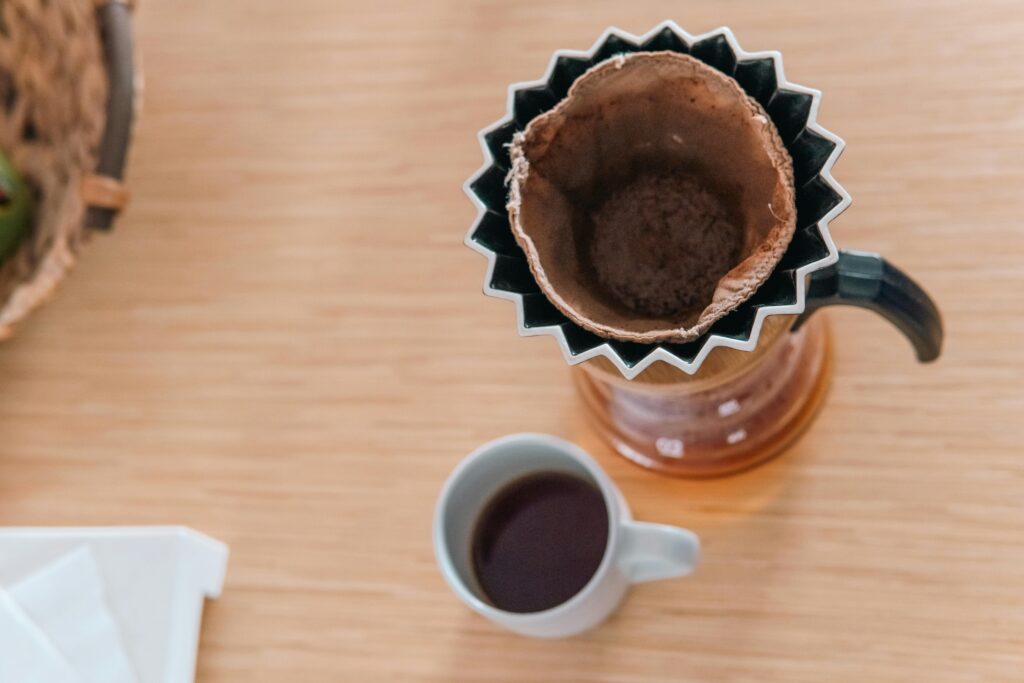
How Roast Levels Shape the Brewing Experience
Selecting the appropriate roast level is one of the most influential decisions a home brewer can make. While Light Roast coffees tend to preserve the bean’s natural acidity and origin characteristics, Medium Roast coffees often strike a balance between sweetness, body, and complexity. Meanwhile, Dark roast coffees develop deeper caramelized flavors, lower perceived acidity, and a fuller mouthfeel that many traditional coffee drinkers enjoy.
Many specialty roasters offer multiple Roast Options for the same coffee, allowing consumers to choose a profile that aligns with their preferred brewing method. For example, a Light Roast Ethiopian coffee may excel in a pour-over setup, where floral and fruity notes can shine, while a Dark Roast Brazilian coffee may perform exceptionally well in an espresso machine or a Moka pot. Understanding how roast development influences flavor helps home brewers make more informed purchasing decisions and achieve more consistent results.
Matching Coffee Beans to Brewing Methods
Different brewing methods highlight different aspects of coffee. Selecting beans that complement your preferred brewing technique can significantly enhance the final cup.
Pour-over brewing is designed to emphasize clarity and flavor separation. Light to medium-roasted coffees from Ethiopia or Kenya often excel in this method because their delicate fruit and floral notes remain distinct and vibrant.
French press brewing, by contrast, creates a fuller-bodied cup with greater texture. Coffees from Brazil and Colombia frequently perform well in a French press because their chocolate and nutty characteristics are enhanced by the immersion brewing process.
Espresso brewing requires a concentrated flavor profile that remains balanced under pressure. Medium-dark roasts and carefully crafted espresso blends often deliver the sweetness, body, and crema necessary for a satisfying shot.
The AeroPress occupies a unique position because of its versatility. Depending on the recipe, it can produce a clean cup resembling pour-over coffee or a richer brew that approaches espresso-like intensity. This flexibility makes it compatible with a wide range of coffee origins and roast levels.
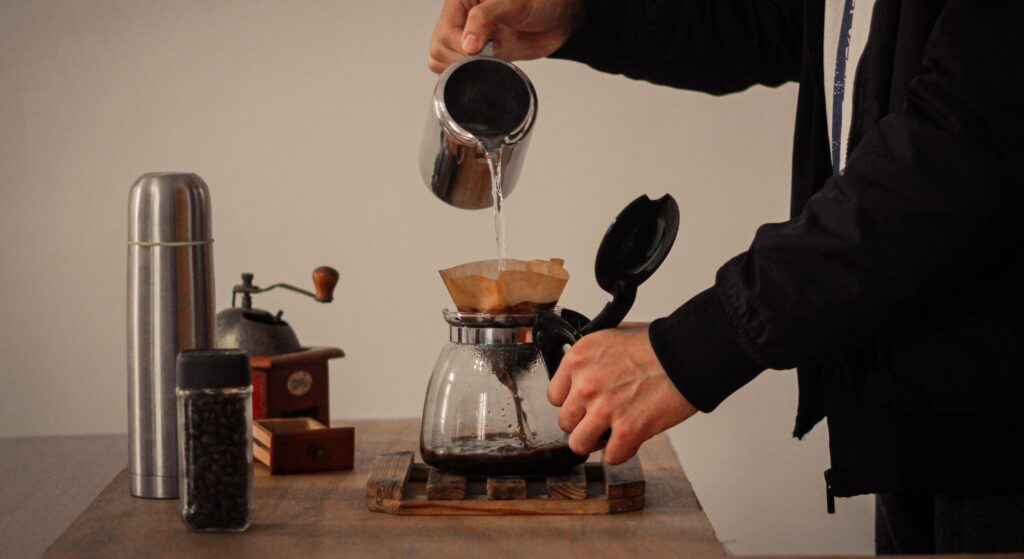
Essential Brewing Equipment for Better Coffee
Even the highest-quality coffee beans require proper preparation to reach their full potential. A quality coffee grinder is often considered the most important investment for home brewers because freshly ground coffee preserves aromas and flavor compounds that rapidly dissipate after grinding. Consistent grind size also improves extraction and enhances overall cup quality.
Precision tools can further elevate the brewing process. Many coffee enthusiasts use a gooseneck Kettle to control water flow during pour-over brewing, allowing for greater consistency and extraction accuracy. Digital scales help maintain the ideal ratio of grounds to water, while modern brewing devices often include temperature controls to keep water within the optimal extraction range. Some enthusiasts even utilize a timer app to standardize brewing variables and replicate successful recipes.
These practices form the foundation of effective brewing education, helping coffee drinkers better understand how seemingly small adjustments can dramatically impact flavor. Whether using a French Press, Moka pot, espresso machine, or manual dripper, consistency remains the key to producing excellent coffee at home.
Single-Origin Coffee vs Coffee Blends
Another important consideration when choosing coffee beans is whether to purchase single-origin or blended coffees.
Single-origin coffees are sourced from a specific region, farm, or cooperative. They provide a clearer representation of local growing conditions and allow drinkers to explore the distinctive characteristics of a particular area. Coffee enthusiasts often enjoy single-origin beans because they offer unique and memorable tasting experiences.
Blends, on the other hand, combine beans from multiple origins to create a balanced and consistent flavor profile. Roasters carefully design blends to achieve specific characteristics such as sweetness, body, or acidity. For many home brewers, blends provide reliability and versatility that work well across multiple brewing methods.
Neither option is inherently superior. The choice ultimately depends on whether we prioritize exploration and variety or consistency and balance.
Freshness, Storage, and Bean Selection
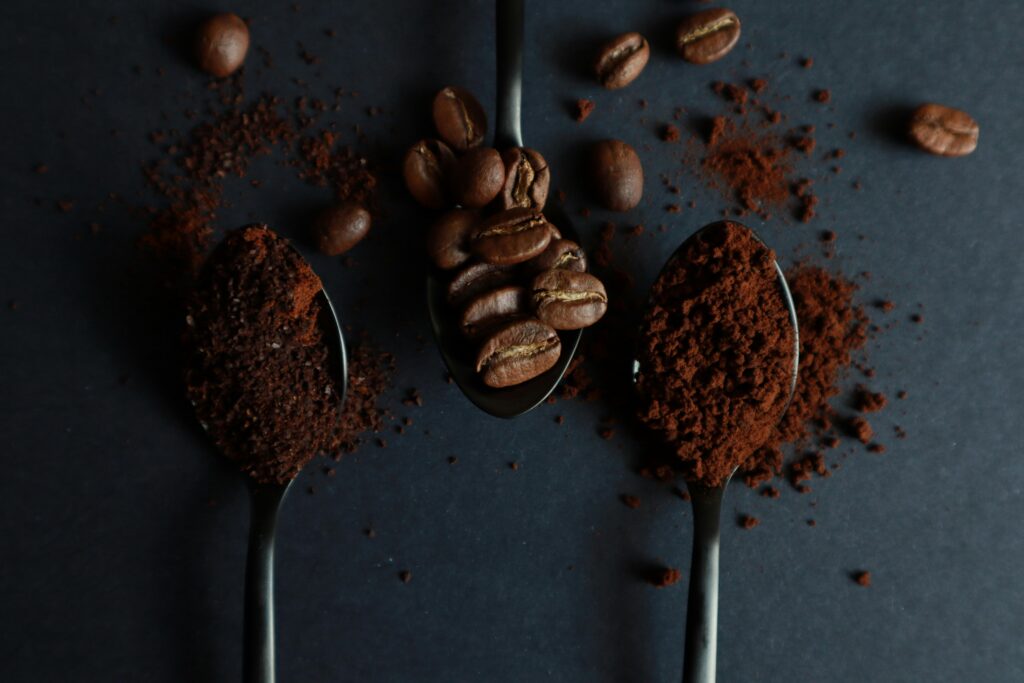
Freshness remains one of the most reliable indicators of premium coffee. When evaluating coffee brands, consumers should prioritize products that clearly display a roast date rather than relying solely on best-before dates. Recently roasted coffee generally offers superior aroma, flavor complexity, and extraction performance.
Packaging also plays a critical role in preserving freshness. Many specialty roasters utilize Nitrogen-Flushed Bags to minimize oxygen exposure during transportation and storage. Once opened, beans should be transferred to an airtight container and stored in a cool, dry environment. Proper coffee storage protects delicate aromatic compounds and extends the lifespan of freshly roasted beans.
In recent years, some consumers have also become interested in clean coffee initiatives that focus on sourcing beans that have been tested for contaminants such as heavy metals. While quality standards vary among producers, transparency regarding sourcing, testing, and production practices has become an increasingly important factor in specialty coffee purchasing decisions.
How to Identify High-Quality Coffee Beans
Selecting premium coffee begins with understanding what distinguishes exceptional beans from ordinary products. Reputable roasters typically provide detailed information about origin, processing methods, roast dates, and tasting notes. This transparency reflects a commitment to quality and allows consumers to make informed decisions.
Whole beans are generally preferable to pre-ground coffee because they retain their freshness longer. Grinding immediately before brewing preserves volatile aromatic compounds that contribute significantly to flavor and aroma.
It is also worth paying attention to roast dates rather than expiration dates. Freshness directly impacts coffee quality, and recently roasted beans consistently outperform those that have been sitting on shelves for extended periods.
Exploring Coffee Beyond Traditional Brewing
The world of coffee continues to evolve beyond conventional brewing methods. Cold brew has become increasingly popular due to its smooth texture and naturally low acidity, making it an appealing option for warm climates and consumers seeking a less bitter coffee experience. The extended extraction process creates a unique flavor profile that differs substantially from hot brewing methods.
Coffee’s influence also extends into other beverage categories. Some craft brewers incorporate coffee into beer production, creating styles such as coffee beer that combine roasted coffee characteristics with traditional brewing techniques. Depending on the recipe, brewers may utilize ingredients such as roast barley and various specialty malts to complement coffee flavors. These innovations demonstrate how coffee continues to inspire experimentation across multiple styles of beer and specialty beverage markets.
For enthusiasts looking to deepen their knowledge, attending a local tasting event can offer valuable exposure to different origins, roast profiles, and brewing methods. Such experiences often accelerate learning and help consumers better understand the remarkable diversity available within the specialty coffee world, particularly when comparing single-origin beans from different growing regions.
Coffee Cups and Mugs
304 Stainless Steel Coffee Mug with Lid
38.88Original price was: 38.88.21.88Current price is: 21.88.Coffeeware
Coffee Distributor Espresso Leveler Adjustable Palm Tamper
27.88Original price was: 27.88.15.88Current price is: 15.88.Coffee Cups and Mugs
Double Wall Glass Coffee Mug with Handle
Coffee-Making Accessories
EspressoPro Knock Box – Anti-Slip Coffee Grounds Container
28.88Original price was: 28.88.11.88Current price is: 11.88.Coffee Cups and Mugs
Glass Measuring Cup with Wooden Handle
30.88Original price was: 30.88.15.88Current price is: 15.88.Coffee Cups and Mugs
Heat-Resistant Striped Glass Cup
28.88Original price was: 28.88.14.88Current price is: 14.88.Coffee-Making Accessories
MHW-3BOMBER Spring Loaded Espresso Tamper 51/53/58mm
160.88Original price was: 160.88.105.88Current price is: 105.88.Coffee-Making Accessories
MINI USB Rechargeable Milk Frother
23.88Original price was: 23.88.11.88Current price is: 11.88.Coffee-Making Accessories
Portable Disposable Drip Coffee Filter Bags
30.88Original price was: 30.88.15.88Current price is: 15.88.Coffee-Making Accessories
Pour Over Coffee Dripper Set
72.88Original price was: 72.88.43.88Current price is: 43.88.