

Coffee Guides
Common Coffee Brewing Mistakes and How to Avoid Them
Introduction
Brewing a great cup of coffee at home involves more than choosing high-quality beans. Even freshly roasted coffee can taste bitter, sour, weak, or unbalanced when small mistakes occur during preparation. From using the wrong grind size to overlooking water temperature, seemingly minor details can significantly influence the final flavor.
Understanding common coffee brewing mistakes helps us develop a more consistent brewing routine and get the most out of every batch of beans. Whether you use a French press, pour-over dripper, AeroPress, or automatic coffee maker, the fundamentals stay the same: fresh coffee, quality water, accurate measurements, and a controlled brewing process. By identifying the most frequent problems and learning how to correct them, we can make better coffee at home without investing in expensive equipment or complicated techniques.
1. Using the Wrong Coffee Grind Size
Grind size is one of the most important factors affecting coffee extraction. When hot water hits ground coffee, it dissolves the compounds responsible for aroma, sweetness, acidity, and bitterness. Ground size determines how quickly this process occurs. Coffee ground too finely for the brewing method can become over-extracted, producing a harsh, bitter taste. Conversely, too-coarse grounds may let water pass through too quickly, resulting in a weak or sour cup.
The ideal grind size depends on the brewing equipment. French press coffee generally benefits from a coarse grind, while pour-over methods typically require a medium-to-medium-fine grind. Espresso needs a much finer grind to accommodate its short extraction time and high pressure. A burr grinder is particularly useful because it produces more consistent particle sizes than many basic blade grinders. Consistent grounds make extraction easier to control and allow us to adjust the flavor more predictably.

2. Measuring Coffee and Water Inaccurately
One of the most common coffee-brewing mistakes is guessing when measuring ingredients. Too much coffee can create an overly concentrated drink, while too little can result in a watery or underwhelming cup. A digital kitchen scale provides a simple solution. Measuring coffee and water by weight creates a repeatable starting point, making it easier to identify which adjustments improve the taste.
For many manual brewing methods, a coffee-to-water ratio of approximately 1:15 to 1:17 is a useful starting range. For example, using 20 grams of ground coffee with 300–340 grams of water produces a balanced starting recipe for experimentation. The ideal ratio varies with personal preference, bean characteristics, and brewing equipment.
We should also distinguish between strength and extraction. A strong coffee contains a relatively high concentration of dissolved coffee solids, while extraction describes how much material has been removed from the grounds. A cup can be strong but poorly extracted, just as a weaker cup can still be balanced and flavorful. Once we establish a reliable ratio, we can adjust it gradually rather than changing several variables at once.
3. Using Water at the Wrong Temperature
Water temperature affects how quickly coffee compounds dissolve. Water that is too cool may extract flavours slowly and produce a flat or sour cup, while excessively hot water can create an unbalanced result when paired with an unsuitable grind size or brew time. For most hot-brew methods, water around 90–96°C (194–205°F) is a practical starting range. Darker roasts often work well at the lower end, while lighter roasts may benefit from hotter water to extract their more delicate flavours.
You don’t necessarily need a specialized kettle to improve temperature control. After boiling the water, letting it cool briefly can help, though the final temperature depends on the starting temperature, room conditions, and kettle design. For pour-over brewing, a gooseneck kettle can also make it easier to control the water stream and distribute water evenly over the coffee bed. Consistency matters more than finding one supposedly perfect temperature. Make small adjustments and taste the results to find what works best for your chosen beans.
4. Choosing Poor-Quality or Stale Coffee Beans
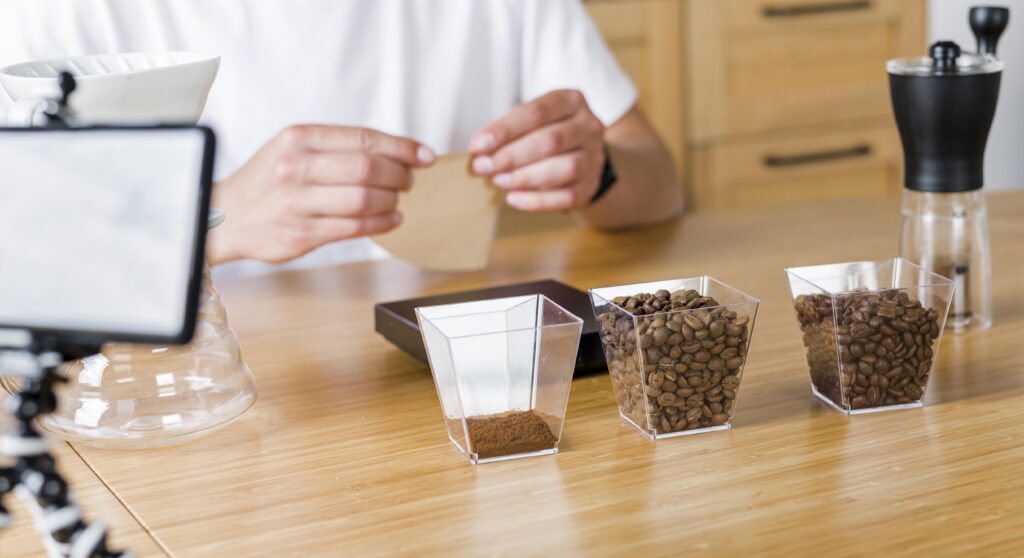
Even a carefully controlled brewing process cannot fully compensate for coffee beans that have lost much of their aroma. Coffee changes gradually after roasting, and exposure to oxygen, heat, moisture, and light can accelerate flavour deterioration. For the best results, choose fresh, high-quality beans and store them in an airtight container in a cool, dry place away from direct sunlight. Buying quantities that we can reasonably use while the coffee remains fresh can also reduce waste.
Whole beans generally retain their aromatic qualities better than pre-ground coffee because grinding exposes a much larger surface area to oxygen. Grinding shortly before brewing helps preserve more of the coffee’s fragrance and flavor. Freshness also doesn’t mean using beans immediately after roasting. Coffee often benefits from a resting period after roasting, allowing some gases to escape and making extraction more predictable. The ideal resting time varies with roast level, bean characteristics, and brewing method.
5. Ignoring Water Quality
Coffee is mostly water, so water quality has a substantial influence on the finished drink. Water with strong chlorine odors, unusual mineral concentrations, or other undesirable characteristics can affect the coffee’s aroma and taste. Very soft water and very hard water can also produce different extraction results. Minerals such as calcium and magnesium influence how water interacts with coffee compounds, while excessive mineral content may contribute to scale buildup in coffee equipment.
Filtered water is a useful option when tap water has noticeable odors or an unpleasant taste. However, filtration should not be confused with removing every mineral. Coffee generally benefits from water with a suitable mineral balance rather than completely demineralized water. Using clean, fresh water and regularly cleaning the brewing equipment gives us a more reliable foundation for a flavorful cup.

6. Brewing for Too Long or Too Short a Time
Brewing time affects extraction, but it should not be treated as an isolated rule. Grind size, water temperature, coffee dose, agitation, and brewing method all influence how quickly flavors are extracted. If coffee tastes sour, thin, or underdeveloped, insufficient extraction may be one possible cause. Try grinding slightly finer, increasing the water temperature within a suitable range, or extending the brew time. If the coffee tastes harsh, excessively bitter, or drying, over-extraction may be contributing to the problem. A slightly coarser grind or shorter contact time may help.
Different methods require different brewing times. French press recipes often use several minutes of steeping, while pour-over brewing depends on the dripper, grind size, pouring technique, and total water volume. By comparison, espresso is extracted over a much shorter period. Instead of forcing every recipe into the same time limit, use timing as a diagnostic tool alongside taste and other brewing variables.
7. Pouring Water Unevenly During Manual Brewing
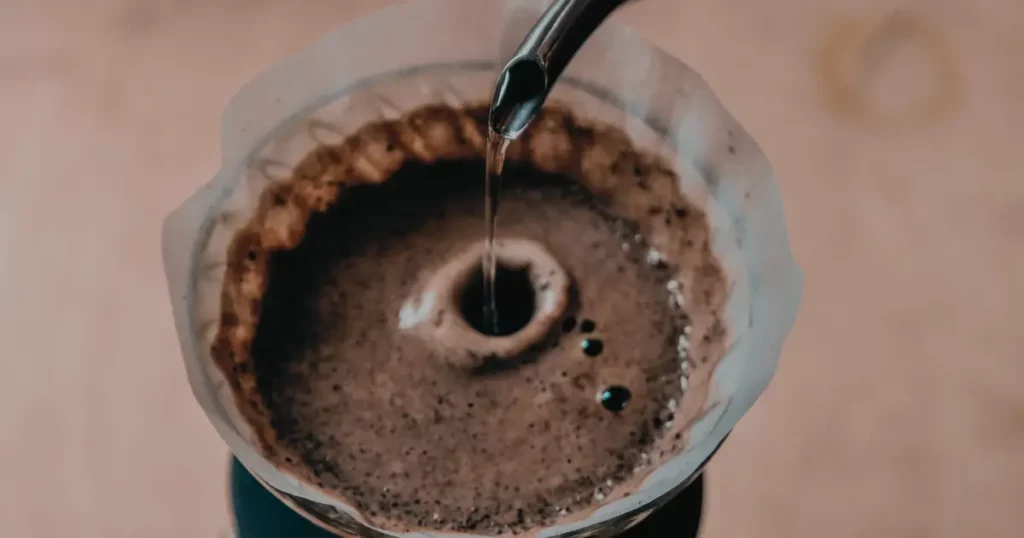
In pour-over brewing, uneven water distribution can cause some coffee grounds to extract more than others. Water may flow through certain areas of the coffee bed more quickly, leaving other areas insufficiently saturated. A controlled pouring technique helps reduce this problem. Start by evenly wetting the grounds with a small amount of water and letting them release trapped gases during the bloom. This initial stage typically lasts 30–45 seconds, though the ideal duration depends on the coffee and recipe.
After blooming, pour slowly and consistently in controlled circles to maintain even saturation. Avoid pouring aggressively against the filter walls, where water may bypass much of the coffee bed. A gooseneck kettle can make this process easier by giving you greater control over flow rate and pouring position—nevertheless, careful technique and consistent practice matter more than purchasing specialized equipment.
8. Neglecting Coffee Equipment Cleaning
Old coffee residue can accumulate in grinders, filters, carafes, French presses, and espresso machines. Coffee oils oxidize over time, leaving unpleasant odors and stale flavors that interfere with freshly brewed coffee. Rinse equipment after each use and regularly clean removable components to prevent this buildup. Reusable filters and French press screens deserve special attention because fine particles and oils can get trapped on their surfaces.
Grinders also require periodic maintenance. Built-up grounds and oils can affect the aroma of later batches, especially when switching between coffees. For espresso machines and automatic brewers, we should follow the manufacturer’s instructions for cleaning and descaling. Descaling removes mineral deposits, while routine cleaning removes coffee residue; each serves a different purpose. Keeping equipment clean improves flavor consistency and can also help extend the useful life of our brewing tools.
9. Changing Too Many Brewing Variables at Once
When a cup of coffee tastes disappointing, it can be tempting to change the grind size, water temperature, ratio, and brewing time simultaneously. However, that makes it hard to tell which adjustment improved or worsened the result. A more effective approach is to establish a baseline recipe and change one variable at a time. If a pour-over tastes sour, for example, we might first adjust the grind slightly finer while keeping the coffee dose, water temperature, and pouring method consistent.
We can record the recipe, brewing time, and tasting notes in a simple notebook. Over time, these records help us identify patterns and recreate successful cups. This experimental approach turns coffee brewing into a repeatable process rather than guesswork. It also makes it easier to adapt recipes when changing beans, roast levels, or equipment.

Conclusion
Avoiding common coffee-brewing mistakes doesn’t require professional barista training or an elaborate collection of equipment. By choosing fresh beans, using the right grind size, measuring coffee and water accurately, controlling temperature, and keeping equipment clean, we can improve the consistency and flavour of our daily coffee.
The most effective approach is to treat each brewing session as an opportunity to learn. When a cup tastes too bitter, sour, weak, or harsh, use those flavours as clues and adjust one variable at a time. With a little attention to detail and a willingness to experiment, home brewing becomes more predictable, enjoyable, and rewarding. Ultimately, great coffee comes from understanding the fundamentals and finding the balance that best brings out the character of our favorite beans.
Coffee Cups and Mugs
304 Stainless Steel Coffee Mug with Lid
38.88Original price was: 38.88.21.88Current price is: 21.88.Coffeeware
Coffee Distributor Espresso Leveler Adjustable Palm Tamper
27.88Original price was: 27.88.15.88Current price is: 15.88.Coffee Cups and Mugs
Double Wall Glass Coffee Mug with Handle
Coffee-Making Accessories
EspressoPro Knock Box – Anti-Slip Coffee Grounds Container
28.88Original price was: 28.88.11.88Current price is: 11.88.Coffee Cups and Mugs
Glass Measuring Cup with Wooden Handle
30.88Original price was: 30.88.15.88Current price is: 15.88.Coffee Cups and Mugs
Heat-Resistant Striped Glass Cup
28.88Original price was: 28.88.14.88Current price is: 14.88.Coffee-Making Accessories
MHW-3BOMBER Spring Loaded Espresso Tamper 51/53/58mm
160.88Original price was: 160.88.105.88Current price is: 105.88.Coffee-Making Accessories
MINI USB Rechargeable Milk Frother
23.88Original price was: 23.88.11.88Current price is: 11.88.Coffee-Making Accessories
Portable Disposable Drip Coffee Filter Bags
30.88Original price was: 30.88.15.88Current price is: 15.88.Coffee-Making Accessories
Pour Over Coffee Dripper Set
72.88Original price was: 72.88.43.88Current price is: 43.88.