

Coffee Guides
How to Clean a French Press: A Complete Guide for Better-Tasting Coffee

Nothing ruins a great cup of coffee faster than a dirty French press. While many coffee lovers focus on buying premium beans and mastering their brewing technique, they often overlook one of the most important aspects of coffee preparation—keeping the coffee maker clean. French presses are designed to produce rich coffee through an immersion brewing process, but they also collect residue more quickly than other coffee brewers. Coffee oils, fine coffee grounds, and mineral deposits can quickly accumulate inside the brewer, affecting both the flavor of your coffee and the lifespan of your equipment.
Knowing how to clean a French press properly ensures every cup tastes fresh, prevents unpleasant odors, and helps preserve the quality of your brewer. Whether you brew coffee daily or only on weekends, following a simple cleaning routine makes a noticeable difference. This is especially important if you enjoy single-origin coffee, where preserving flavour clarity allows the unique characteristics of each bean to shine.
Why Cleaning Your French Press Matters
A French press works by steeping coarse ground coffee directly in hot water, allowing natural coffee oils and fine particles to remain in the brew. While this creates a rich, full-bodied cup, it also means residue builds up more quickly than with many other brewing methods.
Old coffee oils become rancid over time, producing bitter flavors and unpleasant aromas. Fine grounds can also become trapped in the mesh filter and other filter layers, reducing brewing efficiency and making the coffee plunger harder to operate. If neglected, these residues can even contribute to unwanted bitter sludge at the bottom of your cup.
Regular cleaning helps us:
- Maintain clean, balanced coffee flavors
- Prevent stale or sour odors
- Extend the lifespan of the French press
- Keep the metal filter functioning efficiently
- Reduce bacteria and mold growth
Even a quick rinse after brewing can significantly improve the cleanliness of the coffee maker.
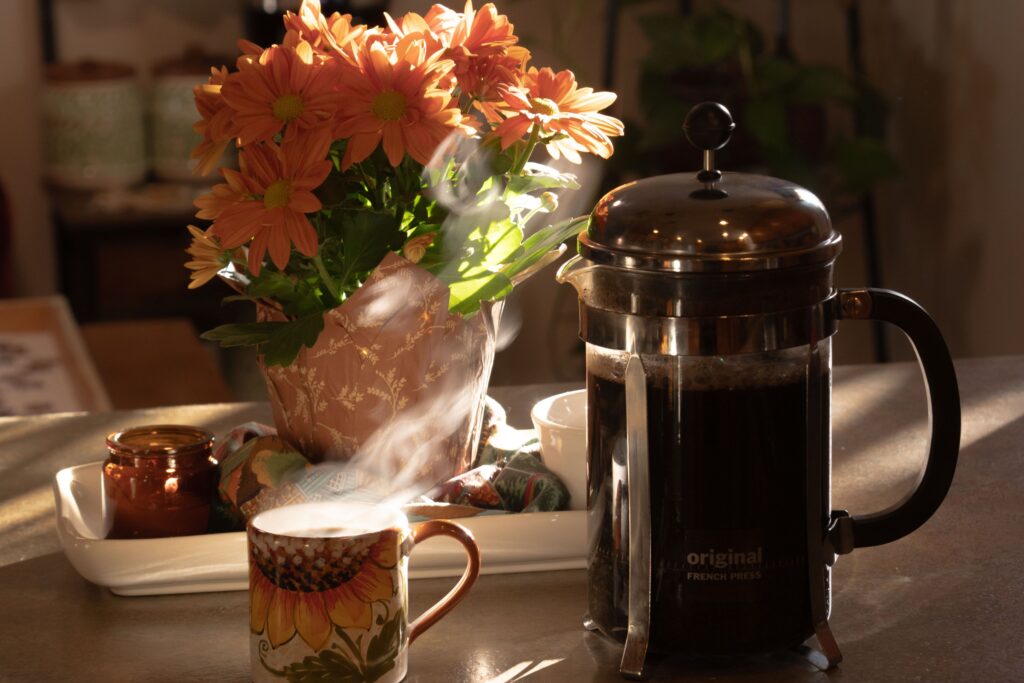
What You’ll Need to Clean a French Press
Fortunately, cleaning a French press requires only a few common household items:
- Warm or hot water
- Mild dish soap
- Soft sponge
- Bottle brush or long-handled brush
- Soft microfiber cloth
- Baking soda (optional)
- White vinegar (for removing mineral deposits)
A soft nylon scrubber can also be useful for removing stubborn coffee stains without scratching glass or stainless steel surfaces. Avoid using steel wool or abrasive scrubbers, as these may permanently damage the finish of your brewer.
How to Clean a French Press After Every Use
Daily cleaning is simple and only takes a few minutes.
Step 1: Empty the Coffee Grounds
Never pour used coffee grounds directly down the sink. Coffee grounds can accumulate inside plumbing and contribute to a clogged drain. Over time, they may even create problems for homes connected to a septic system.
Instead, scoop the grounds into an organic waste bin, compost pile, or even an empty yogurt container before disposal. Many gardeners also use spent coffee grounds to enrich soil around certain plants.
Step 2: Rinse with Warm Water
Fill the French press with warm water and gently swirl it around to loosen remaining grounds.
Pour the water out and repeat if necessary until most visible residue is removed.
Step 3: Wash with Dish Soap
Add a few drops of mild dish soap along with warm water.
Use a bottle brush or soft sponge to clean the inside walls of the French press body, paying extra attention to the bottom corners where coffee oils tend to collect. Regular washing helps remove invisible hydrophobic films left behind by coffee oils that can affect flavor.
Step 4: Clean the Plunger and Filter
The filter assembly is often the dirtiest part of the French press.
Raise and lower the coffee plunger several times while washing, then scrub both sides of the mesh filter, plunger screen, and filter screens. Coffee particles frequently become trapped between the filter layers, making thorough cleaning essential. Some premium models, such as the Chambord French press, feature removable components that make this process much easier.
Step 5: Rinse Thoroughly
Soap residue can affect the flavor of your next brew.
Rinse every component thoroughly until the water runs completely clear.
Step 6: Air Dry Completely
Allow all parts to dry before reassembling the French press.
Leaving moisture trapped inside may encourage mold growth or create unpleasant odors. Before reassembly, inspect the spring disk and seals for signs of wear, as gasket failure may reduce brewing performance over time.
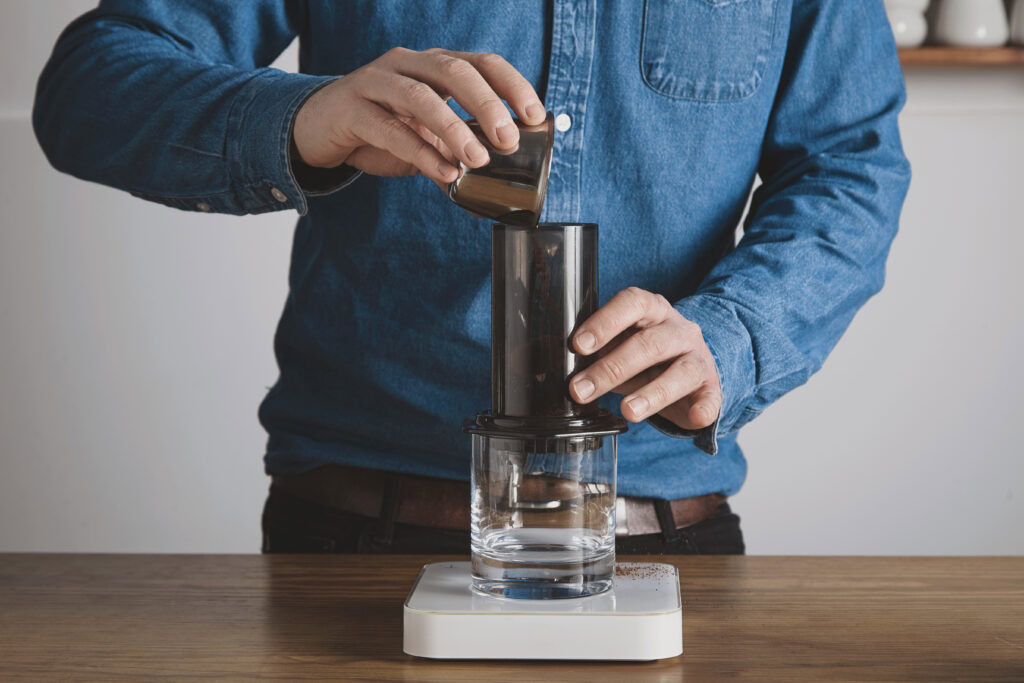
How to Deep Clean a French Press
Even with daily washing, coffee oils gradually accumulate inside the filter and on the glass or stainless steel walls. A proper deep cleaning every one to two weeks helps restore your French press to like-new condition.
Method 1: Baking Soda Cleaning
Baking soda is excellent for removing stubborn coffee stains.
- Add one tablespoon of baking soda.
- Fill the French press halfway with warm water.
- Let it sit for 15 minutes.
- Gently scrub with a soft brush or nylon scrubber.
- Rinse thoroughly.
This method safely removes stains while preserving delicate surfaces.
Method 2: Vinegar Descaling
If you live in an area with hard water, mineral deposits may form inside the brewer.
Mix equal parts white vinegar and warm water.
Fill the French press and let the solution soak for about 20 minutes before rinsing several times with clean water.
This process removes mineral buildup while helping eliminate lingering odors.
How to Clean the French Press Filter
The filter deserves special attention because tiny coffee particles easily become trapped within the mesh filter. Most French press filters can be unscrewed into several pieces. Separate each component carefully and wash them individually with warm soapy water.
Use a soft brush to remove trapped coffee particles from the metal filter. Once clean, reassemble the filter assembly according to the manufacturer’s instructions. If any component becomes damaged, consider purchasing replacement parts rather than replacing the entire brewer. Cleaning the filter regularly helps maintain smooth plunging and better coffee extraction.
Common Mistakes to Avoid
Many people unknowingly shorten the life of their French press by making simple cleaning mistakes. Some of the most common include:
- Leaving coffee inside the French press for several hours
- Using abrasive scrubbers that scratch glass or stainless steel
- Forgetting to clean between the filter layers
- Reassembling the press before it is fully dry
- Pouring coffee grounds into the sink or garbage disposal
Avoiding these habits helps keep the brewer in excellent condition for years.

Can You Put a French Press in the Dishwasher?
The answer depends on the manufacturer. Many glass beakers and stainless steel French presses are labeled dishwasher-safe. However, repeated dishwasher cycles may shorten the lifespan of certain plastic components or rubber seals. Hand washing remains the safest method for preserving your coffee maker’s appearance and performance. Always check the manufacturer’s care instructions before placing any part in the dishwasher.
How Often Should You Clean a French Press?
The ideal cleaning schedule depends on how frequently you brew coffee and your preferred steeping duration.
- After every use: Rinse and wash with dish soap.
- Weekly: Clean the mesh filter thoroughly.
- Every one to two weeks: Perform deep cleaning with baking soda or vinegar.
- Monthly: Inspect the filter assembly, seals, and moving parts for wear.
Following this routine ensures consistently fresh coffee while extending the life of your brewer.
Tips for Keeping Your French Press Fresh
A few simple habits can make cleaning easier and improve every cup we brew.
Store the French press with the lid removed so moisture can evaporate completely. Always empty brewed coffee promptly rather than letting it sit for extended periods. Replace worn filter screens or other replacement parts if they begin allowing excessive sediment into the cup.
Using freshly roasted beans, a quality burr grinder, and the correct grind size will also reduce excess sediment while improving extraction and flavor consistency. Although many people own a drip coffee maker, moka pot, or espresso machine, the French press remains one of the simplest ways to enjoy rich, flavorful coffee with minimal equipment.
Coffee Cups and Mugs
304 Stainless Steel Coffee Mug with Lid
38.88Original price was: 38.88.21.88Current price is: 21.88.Coffeeware
Coffee Distributor Espresso Leveler Adjustable Palm Tamper
27.88Original price was: 27.88.15.88Current price is: 15.88.Coffee Cups and Mugs
Double Wall Glass Coffee Mug with Handle
34.88Original price was: 34.88.17.88Current price is: 17.88.Coffee-Making Accessories
EspressoPro Knock Box – Anti-Slip Coffee Grounds Container
28.88Original price was: 28.88.11.88Current price is: 11.88.Coffee Cups and Mugs
Glass Measuring Cup with Wooden Handle
30.88Original price was: 30.88.15.88Current price is: 15.88.Coffee Cups and Mugs
Heat-Resistant Striped Glass Cup
28.88Original price was: 28.88.14.88Current price is: 14.88.Coffee-Making Accessories
MHW-3BOMBER Spring Loaded Espresso Tamper 51/53/58mm
160.88Original price was: 160.88.105.88Current price is: 105.88.Coffee-Making Accessories
MINI USB Rechargeable Milk Frother
23.88Original price was: 23.88.11.88Current price is: 11.88.Coffee-Making Accessories
Portable Disposable Drip Coffee Filter Bags
30.88Original price was: 30.88.15.88Current price is: 15.88.Coffee-Making Accessories
Pour Over Coffee Dripper Set
72.88Original price was: 72.88.43.88Current price is: 43.88.